Montenegro · 14 September 2026
Montenegro in September: why it's the best month to visit
The sea is still warm, prices drop 30-40%, tourists disappear. September is the month Montenegro shows its best face.
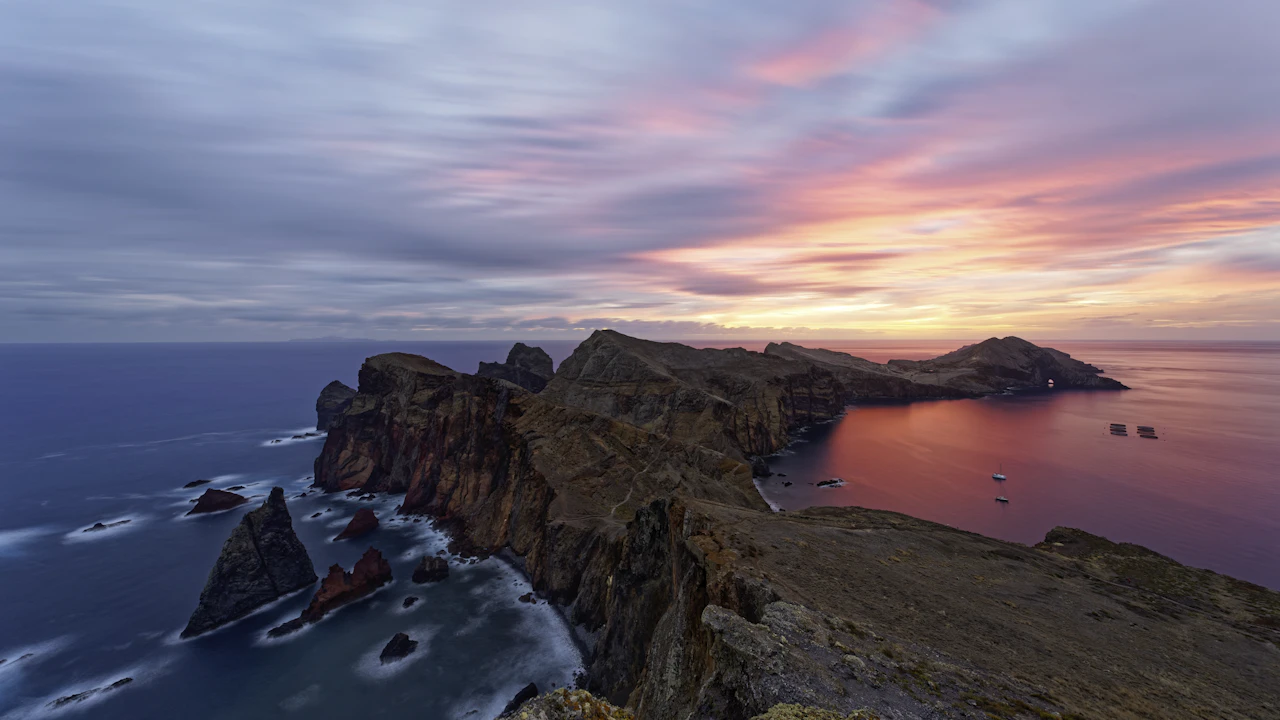
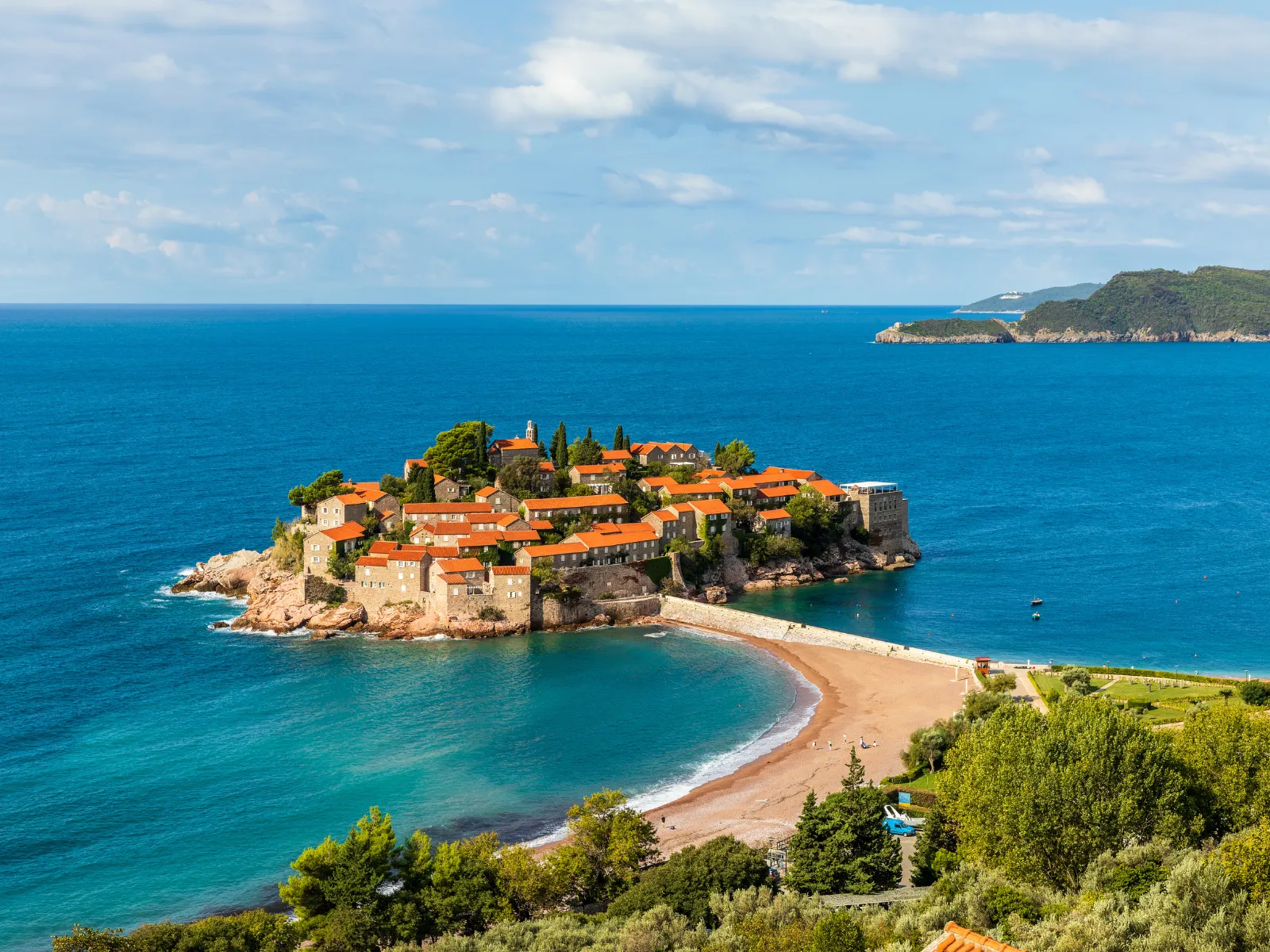
On the first weekend of September, something changes on the Montenegrin coast. It is not a dramatic or immediate change, but it is perceptible to anyone who was also there in August. The beach car parks have space. Restaurant terraces have free tables. The price of a sunbed at Sveti Stefan beach drops from twenty-two euros to fourteen. Apartment prices fall by thirty to forty percent. The Gulf state tourists who colonised the waterfront in August have gone home. The coast breathes again.
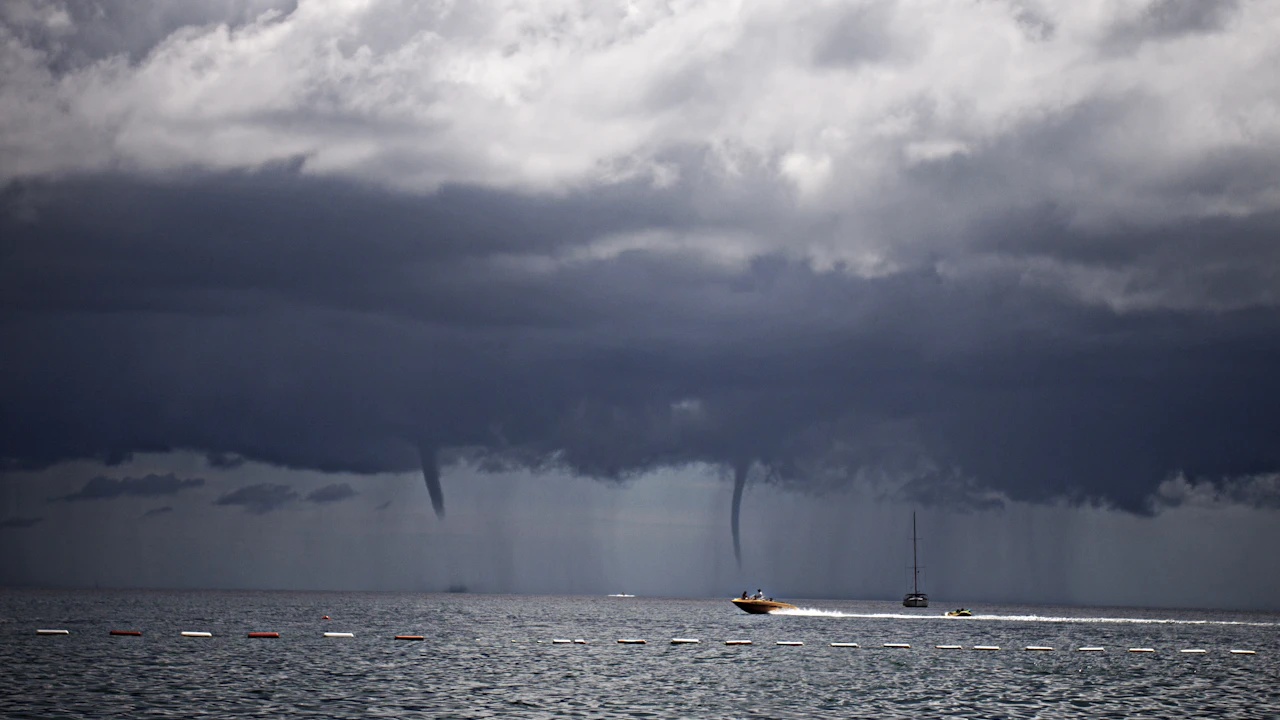
The Adriatic in September is twenty-five or twenty-six degrees. The water is at its warmest point of the year — it takes months to reach that temperature and months to cool it — which means September offers a warmer sea than June with a fraction of August’s traffic. Air temperature on the coast is around twenty-five to twenty-eight degrees, with nights beginning to become pleasant. Rain is rare, though towards the end of the month — in the third or fourth week — the first autumn storms can arrive with little warning, particularly in the mountain areas.
The Vranac harvest
September and October are the Vranac harvest months in the Podgorica and Crmnica regions. Vranac — Montenegro’s indigenous red grape variety — produces dense, dark clusters that local winemakers pick by hand at the estates surrounding Lake Skadar. In the village of Virpazar, the harvest season is celebrated with local festivals where new wine — rough, very young, completely different from the bottled version — is offered alongside traditional food.
Visiting the Skadar region in September has an added dimension that July and August lack: the vineyards at their most active, the lake landscape in the lower, more golden light of early autumn, and the possibility of participating — even as a spectator — in the harvest that defines the country’s wine production. The Virpazar restaurants, saturated with tourists in August, have in September the calm of establishments returning to their natural rhythm.
The markets: fig and pomegranate season
Montenegrin markets in September are a different proposition to August. The vendors’ tables are still full, but the content changes: summer watermelons and tomatoes give way to ripe figs — some local varieties that never reach European markets — pomegranates from interior orchards, grapes of multiple varieties, peppers for roasting. The new olive oil from the groves of Bar and Ulcinj will start to become available in October, but in September the olive growers are already working the earliest trees.
In the Podgorica and Bar markets, September’s abundance has a quality that August’s mass tourism obscures: it is the country’s real harvest, not hotel supply. The prices are the usual ones, low, without the tourist premium of the high-season coast.
The interior in September
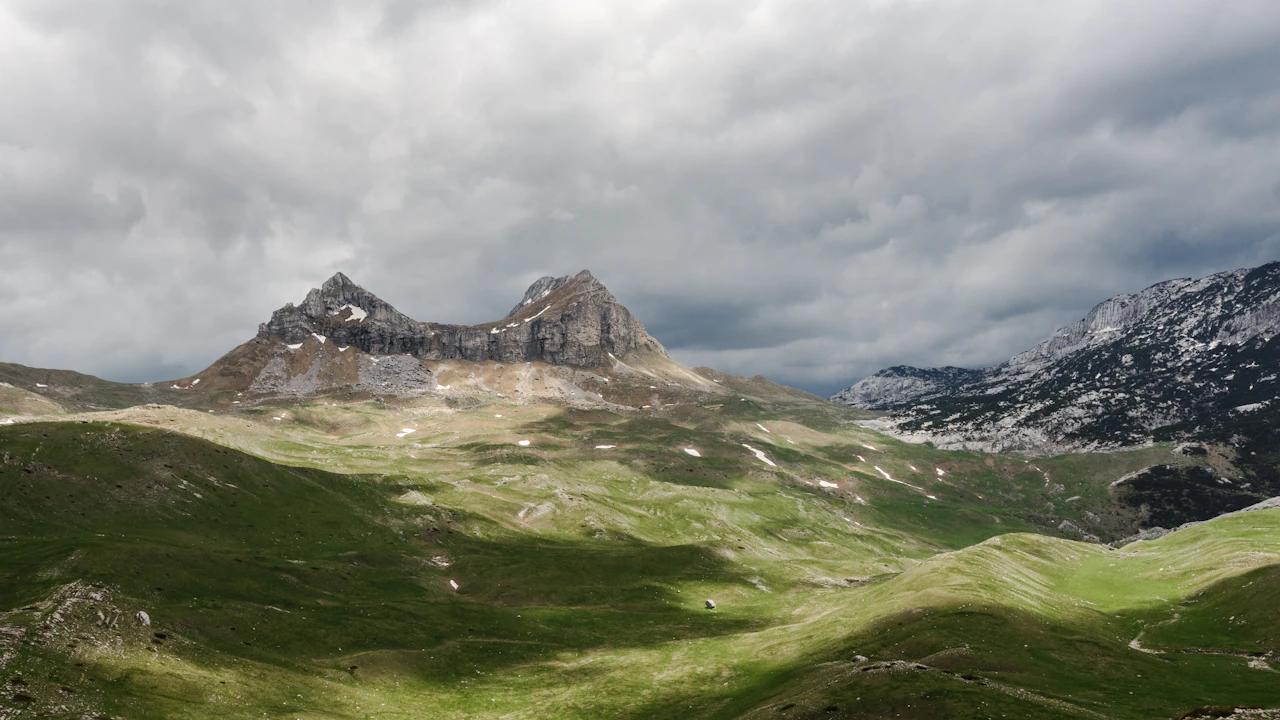
Durmitor National Park in September may be the optimal time of year. The hiking trails are clear, the vegetation has started to change colour — the beeches of the Bjelasica massif and the maples of Biogradska Gora have leaves going from green to yellow to orange through the month — and the temperatures at altitude are perfect for walking: cool in the morning, mild at midday. Nights in Žabljak in September can approach five to ten degrees, which requires some warm clothing but is part of the appeal.
Rafting on the Tara continues operating until mid-October. In September the river has dropped from its May-June level, making the rapids less intense, but the surroundings — the riverside forest in its early autumn colours, the water maintaining its extraordinary transparency — are perhaps more beautiful.
What closes in September and what doesn’t
The honest warning for anyone planning a September trip: some seasonal services begin to reduce from the second half of the month. The beach bars and chiringuitos of some beaches (particularly the smaller, less urban ones) close or reduce hours from mid-September. Inter-city buses continue running but with slightly lower frequency than in August. Kayak rentals and water activity equipment in the Bay of Kotor start closing from the third week.
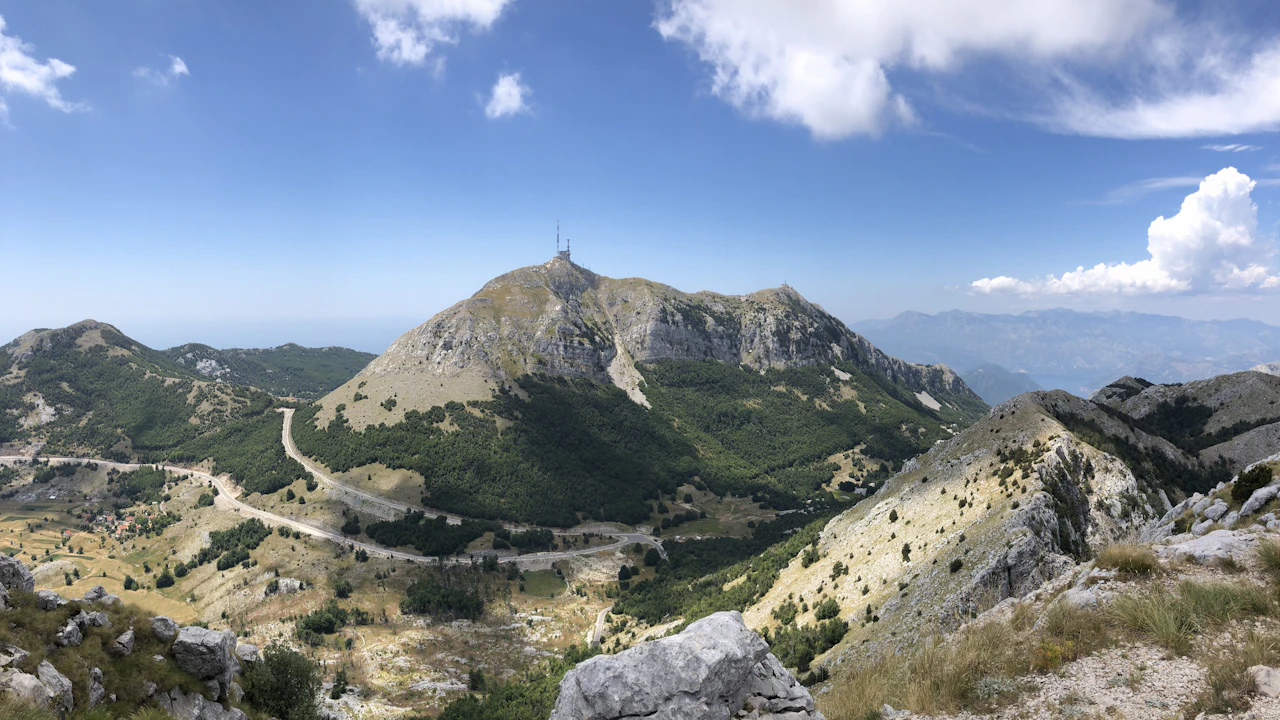
However, restaurants, hotels and the main monuments remain open. The Cetinje museums, access to the Lovćen mausoleum, entry to Kotor, the bay ferry service: everything operates normally well into October. The reduction of September services affects the more ephemeral leisure activities, not the basic tourist infrastructure.
The complete Far Guides Montenegro guide includes detailed routes, interactive maps and all the practical information you need to plan your independent trip.
More on Montenegro
Keep reading.
Other pieces from the same destination.
Next step
Ready for Montenegro?
The guide is for travelling.
Offline maps, itineraries and everything that doesn't fit in an article.
Get the Montenegro guide