Understand
Before you arrive: the country, its history and its codes.
- Introduction to Ecuador
- Pre-Columbian Cultures
- Incas and Spanish Conquest
- Independence and Gran Colombia
- Modern and Contemporary Ecuador
- and 4 more
Choose by region. Each guide is a travel essay, not a brochure.
Europe
Mediterranean · Balkans · North
Asia
Silk Road · Southeast
Americas
Latin America
Africa & Middle East
North Africa
Guide to Ecuador · Americas · Ecuador
Four worlds in one country: Andes, Amazon, Galápagos and Pacific
68 places explained one by one: why they are there, what to look at and how to fit them into your day. With maps, itineraries, a travel passport and a library of Alex's videos and podcasts.
€14.99One-time payment · permanent access · ES / EN
30 chapters68 places71 map points
What is inside
Organised the way you travel: first understand the country, then travel it place by place and, finally, plan it all.
Before you arrive: the country, its history and its codes.
On the road: every place, in geographical order.
To organise it: routes, transport, money and seasons.
Travel
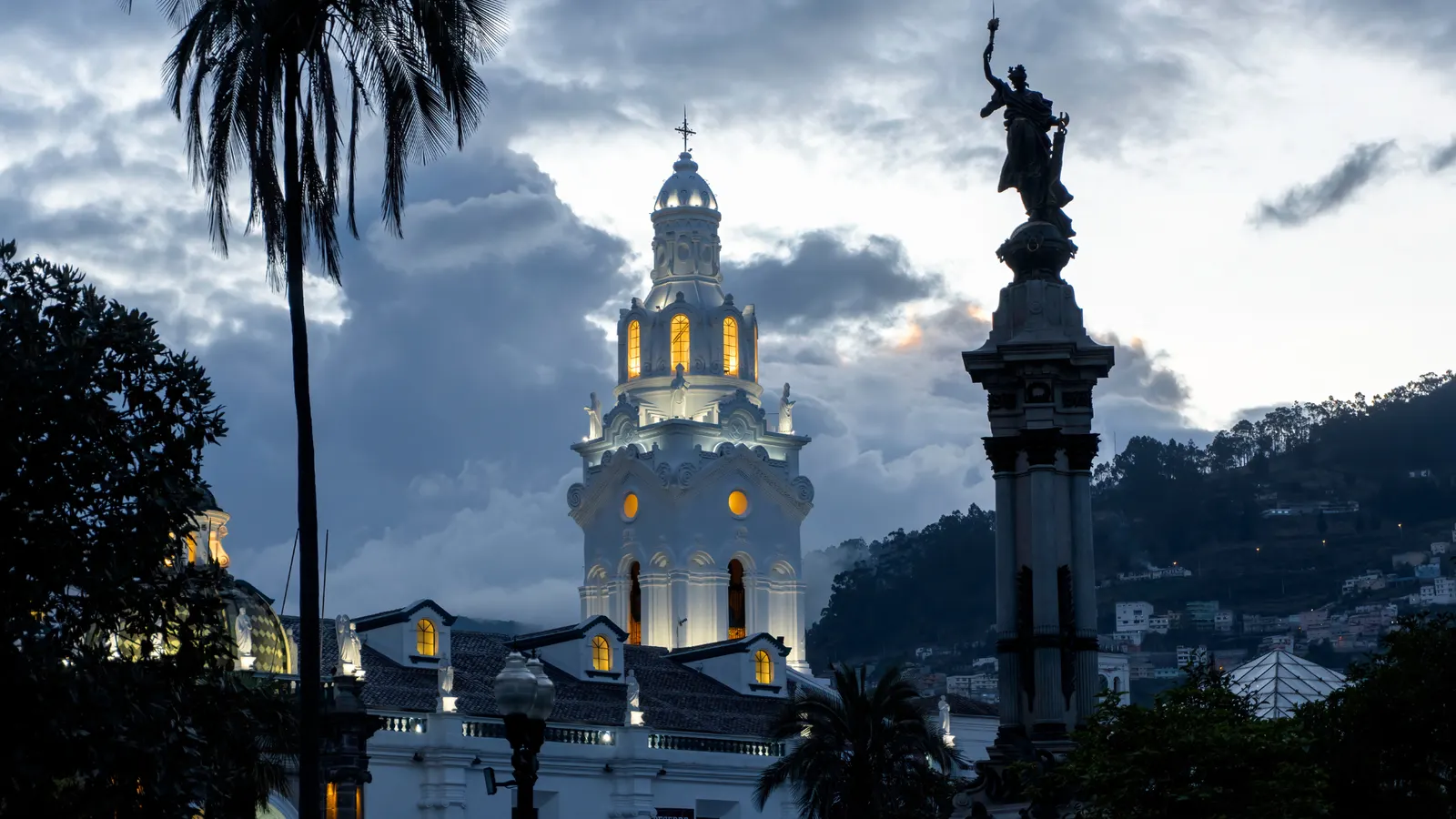 Plaza Grande A square where Ecuador's political and religious powers have been staring each other down for almost five centuries.
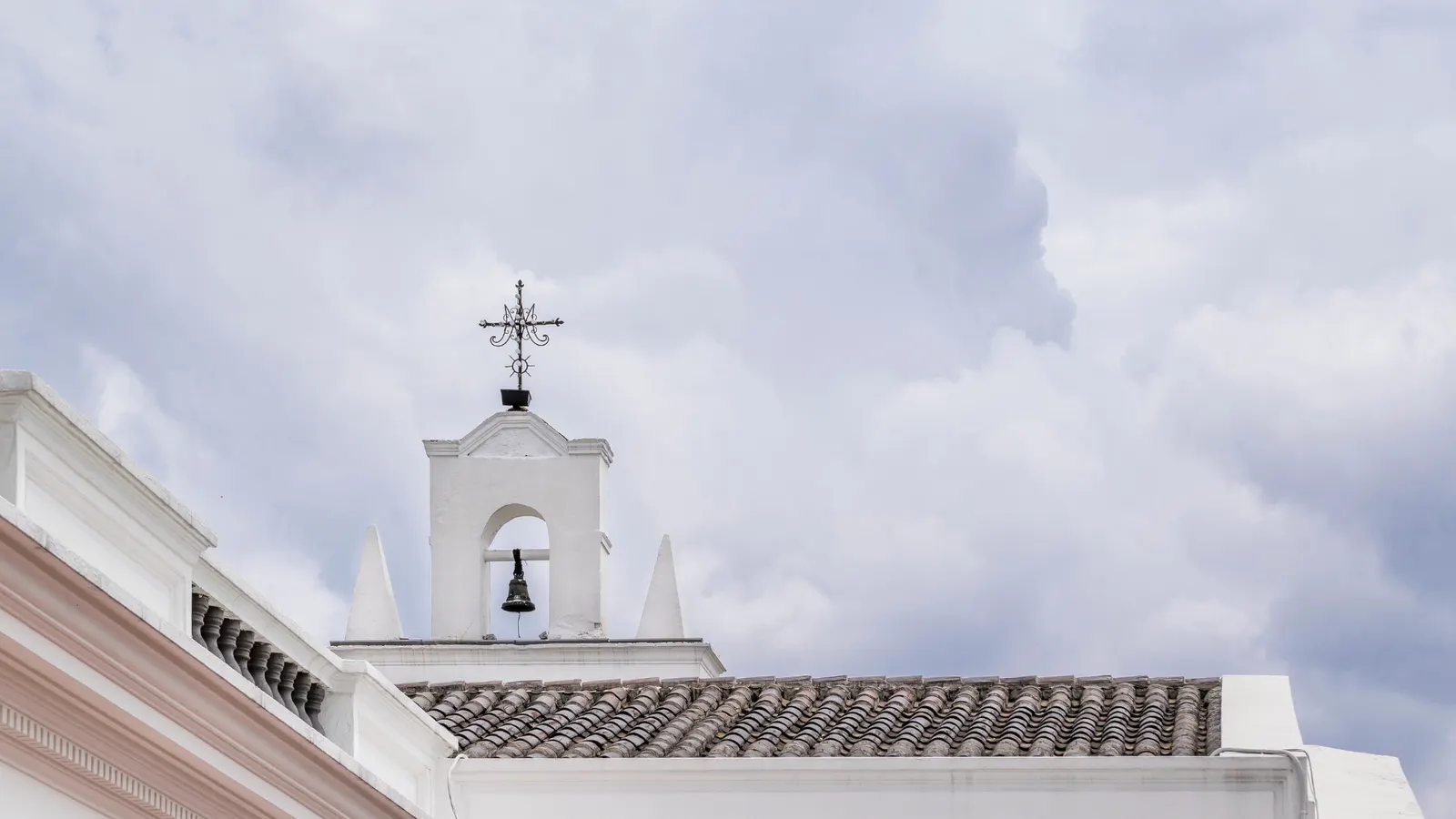 Metropolitan Cathedral The plainest church in central Quito is also the one holding the most illustrious dead and the most political history.
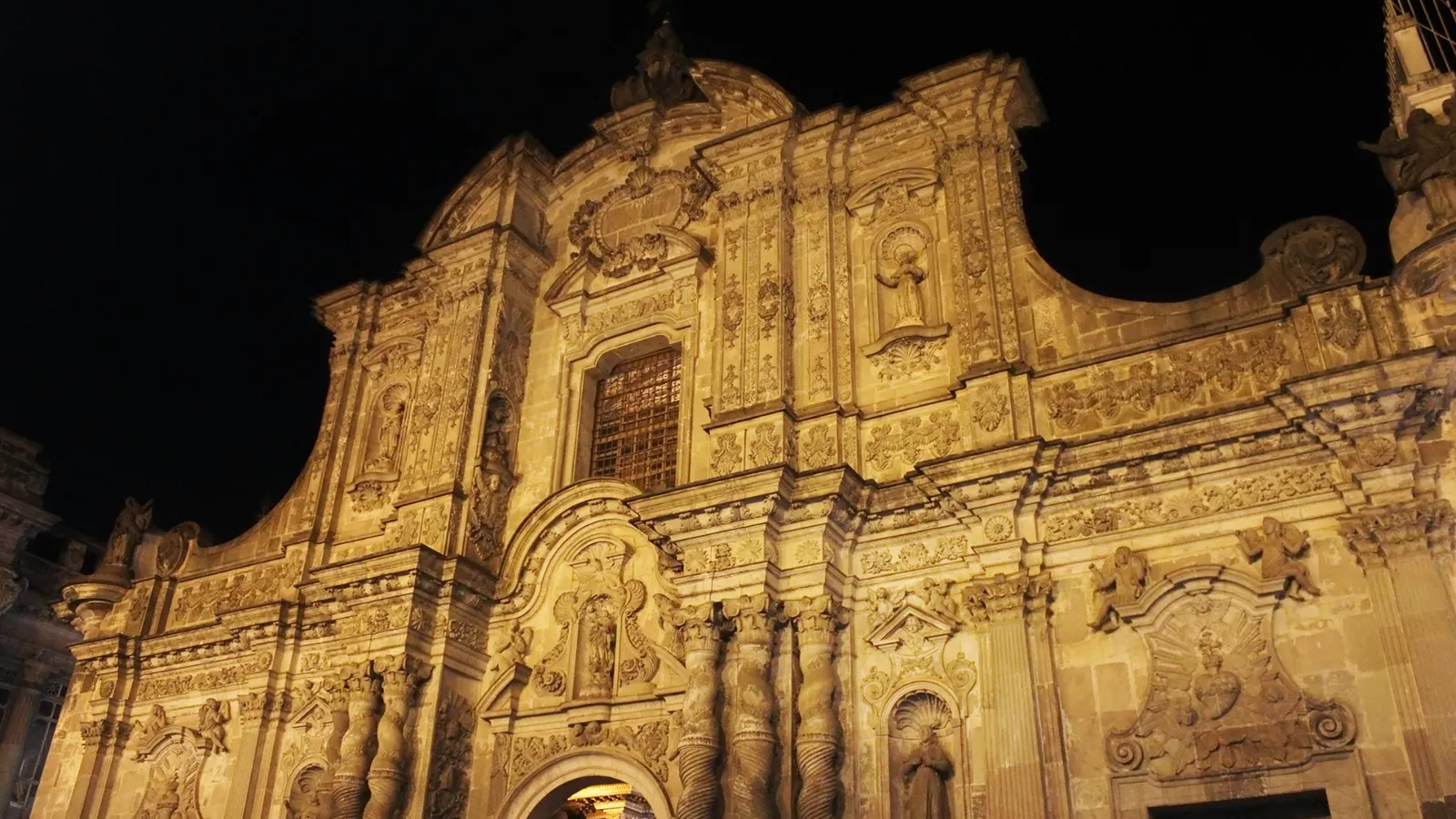 La Compañía de Jesús A century and a half of Jesuit building to persuade a continent that heaven looked like this.
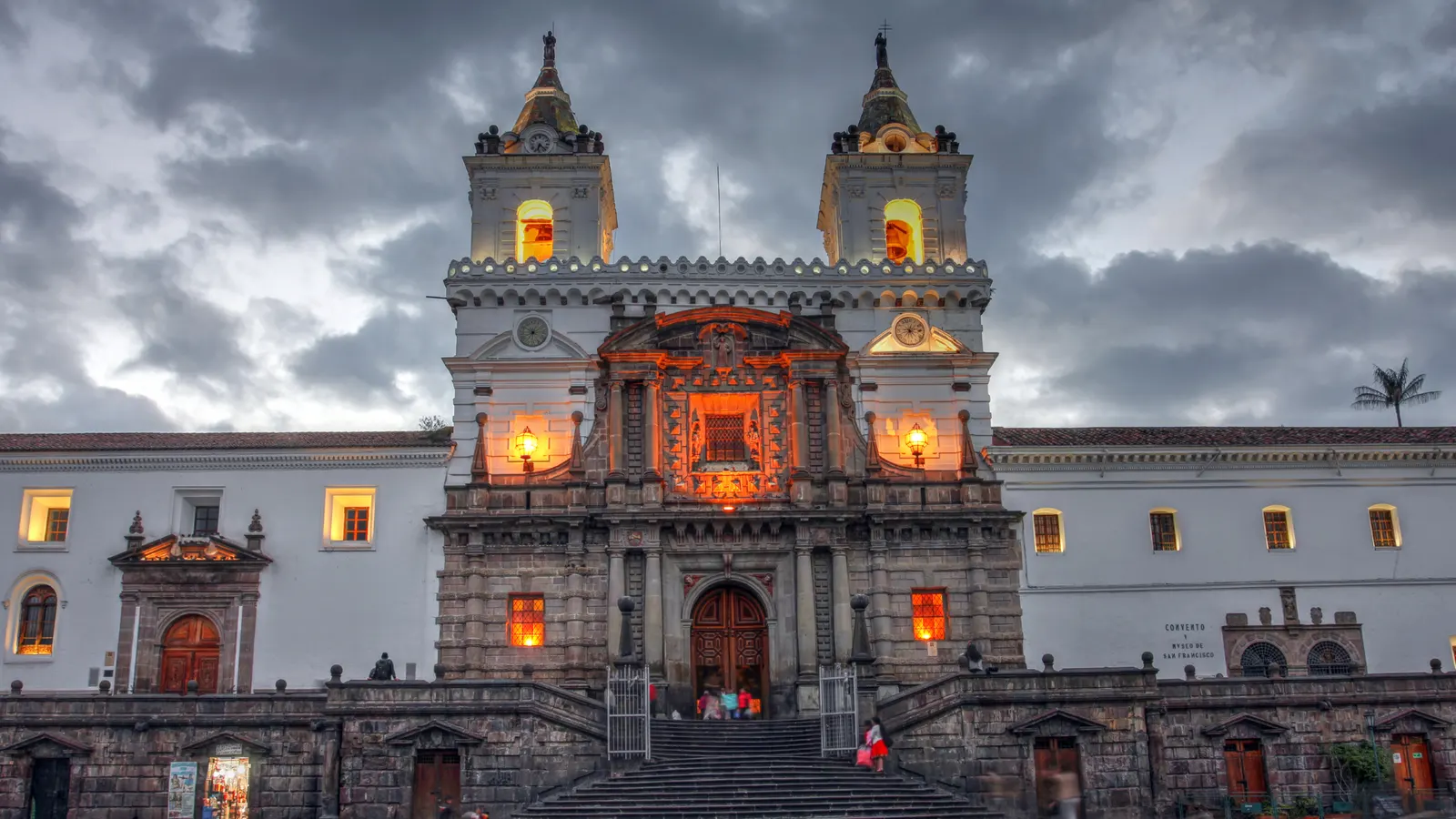 Church of San Francisco South America's first great convent, a square that never stopped being popular, and the Virgin who ended up crowning the Panecillo.
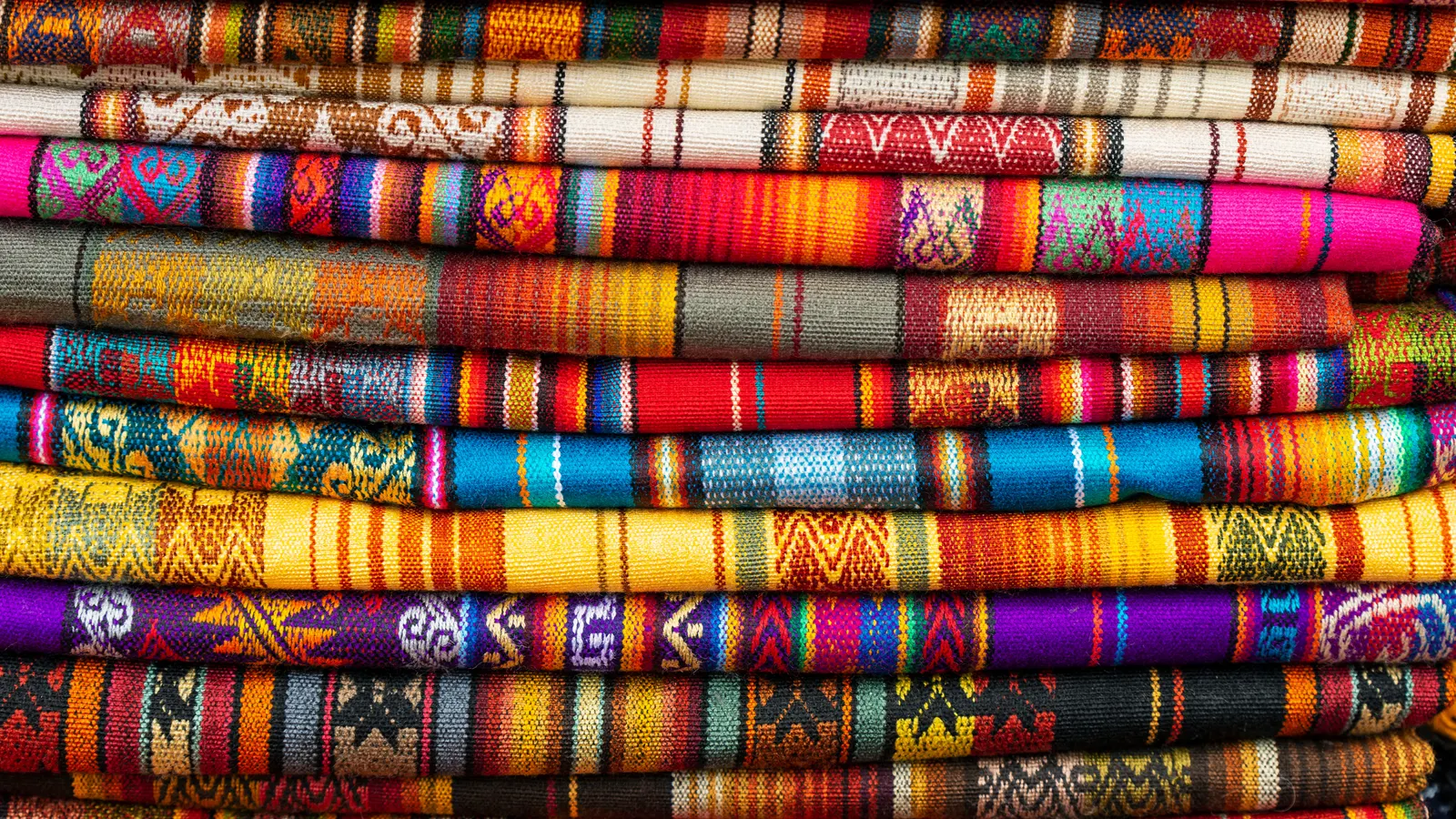 Plaza de los Ponchos South America's most famous indigenous market is, in fact, the shop window of a people of global traders.
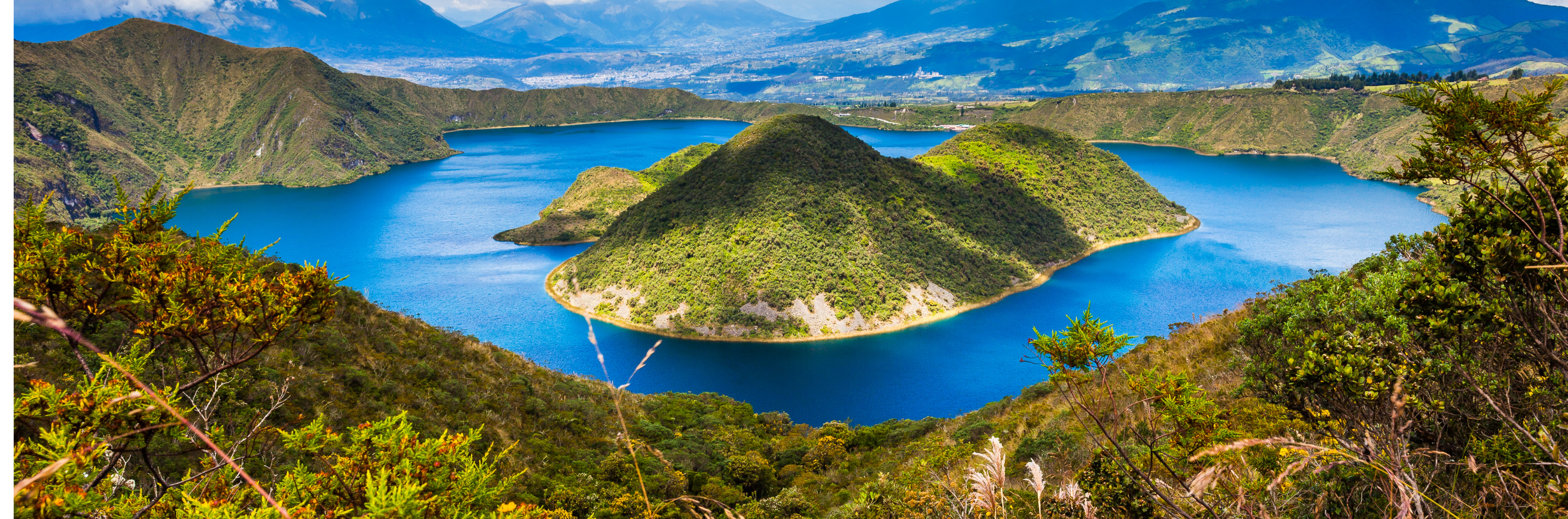
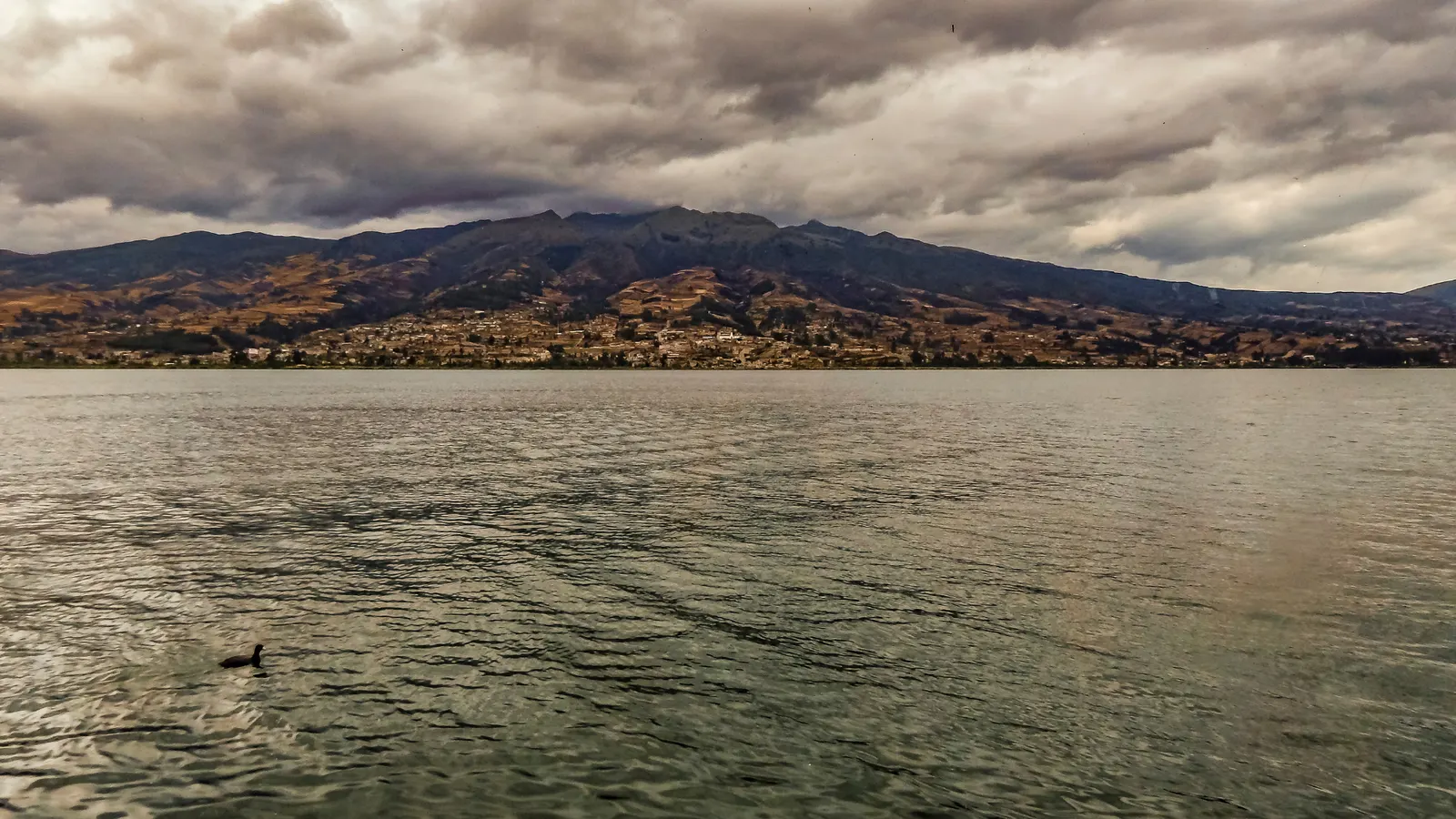 Lake San Pablo A lake at the foot of Taita Imbabura, where the sacred landscape and the farmed one are exactly the same. Cuicocha Lake A flooded volcanic caldera with two islets at its centre, walked along its rim like circling the edge of a bowl.
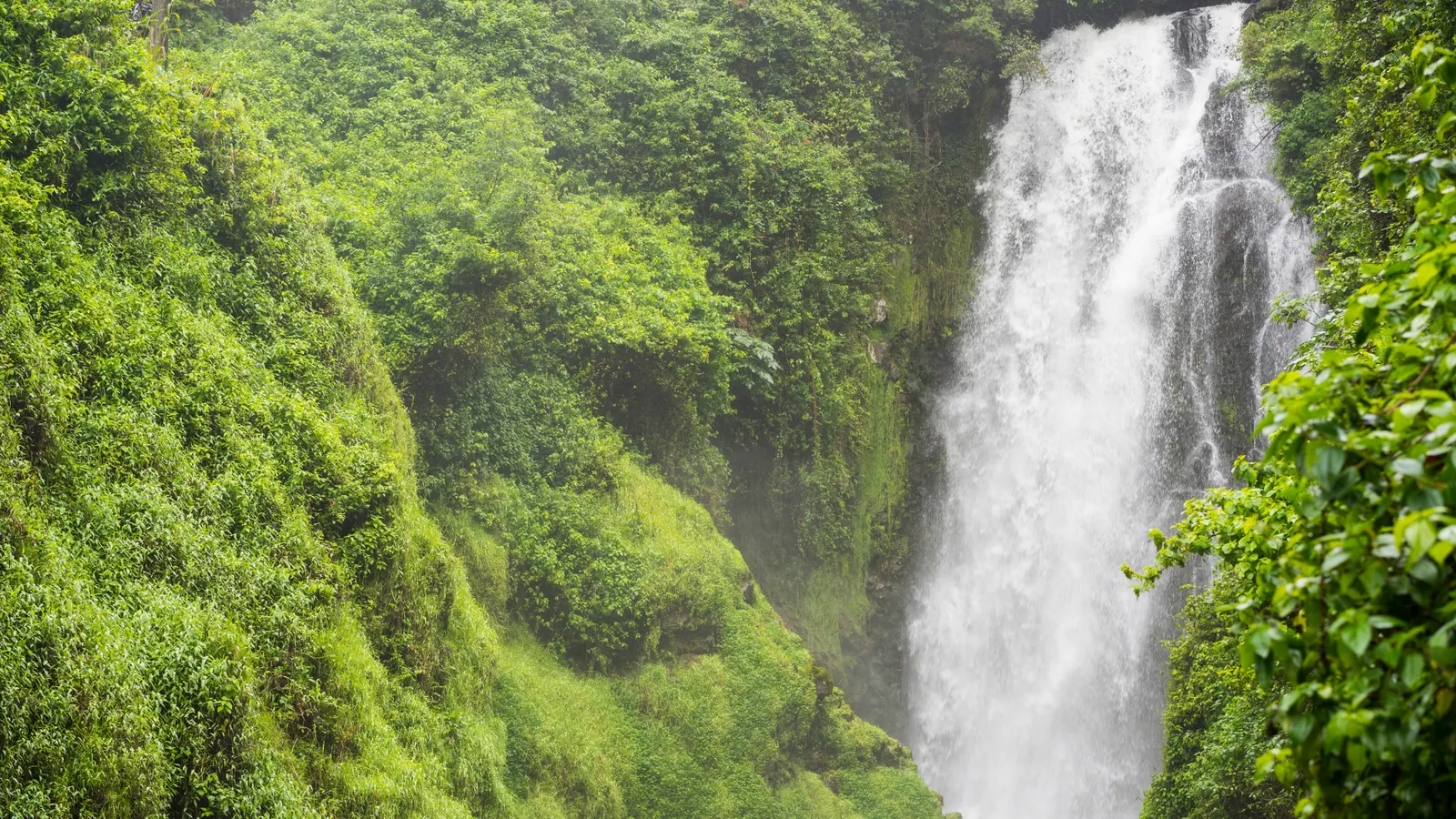 Peguche Waterfall A modest waterfall that matters for what happens there every June, when Otavaleños come to bathe before Inti Raymi.
 Tena An Amazonian town with no obvious charm that is, for exactly that reason, the most honest gateway to the jungle and its rivers.
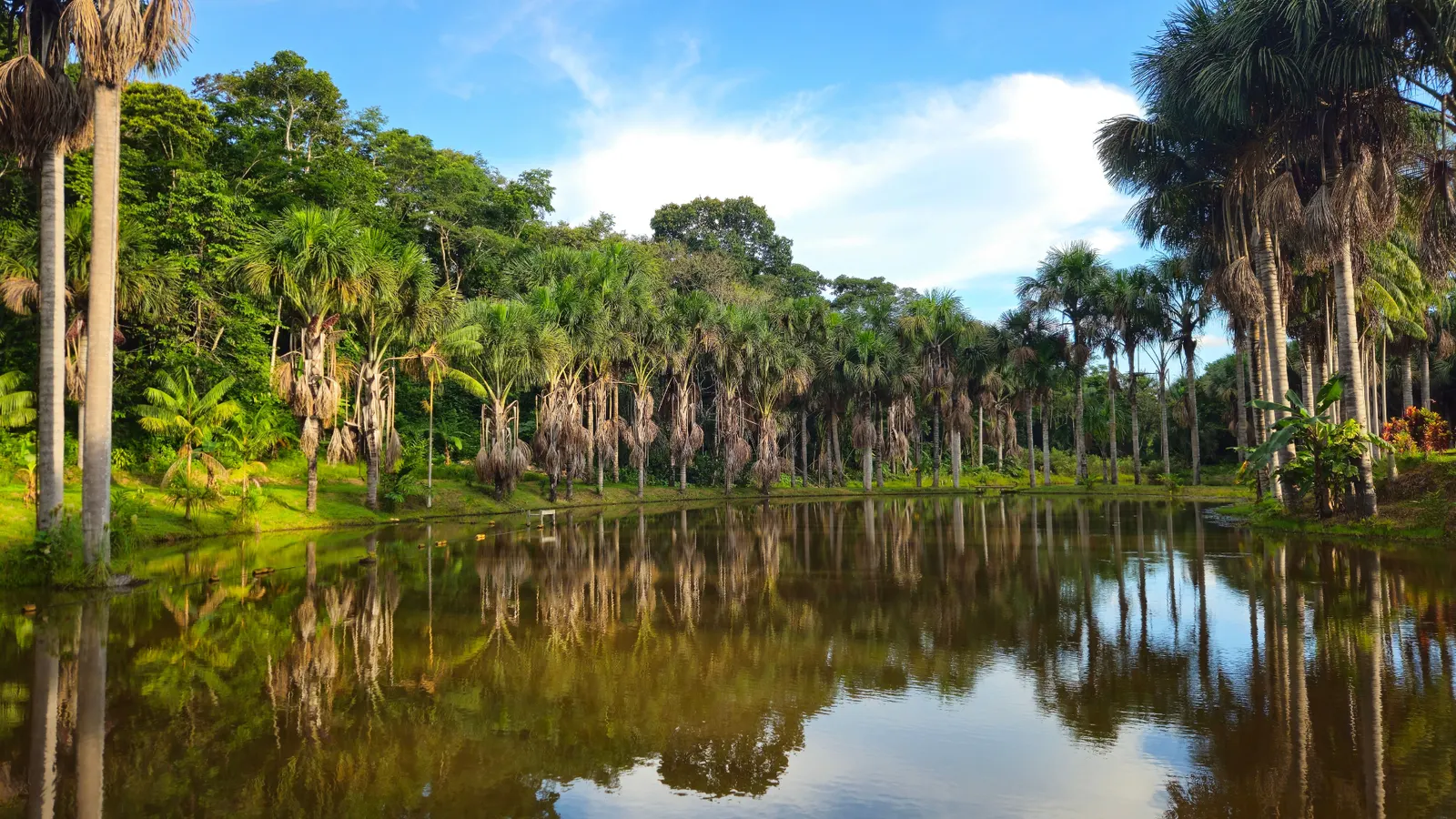 Cuyabeno Wildlife Reserve A flooded blackwater forest where pink dolphins swim among the treetops. Capirona Kichwa Community One of the communities that invented community tourism in the Ecuadorian Amazon, before it even had a name. Limoncocha Biological Reserve An Amazonian lagoon of black caimans in the middle of oil country: the jungle and its threat in the same frame.
 New Cathedral Ninety years of building, three blue domes and towers that fell short: the cathedral Cuenca could not finish, and which is all the more its own for it.
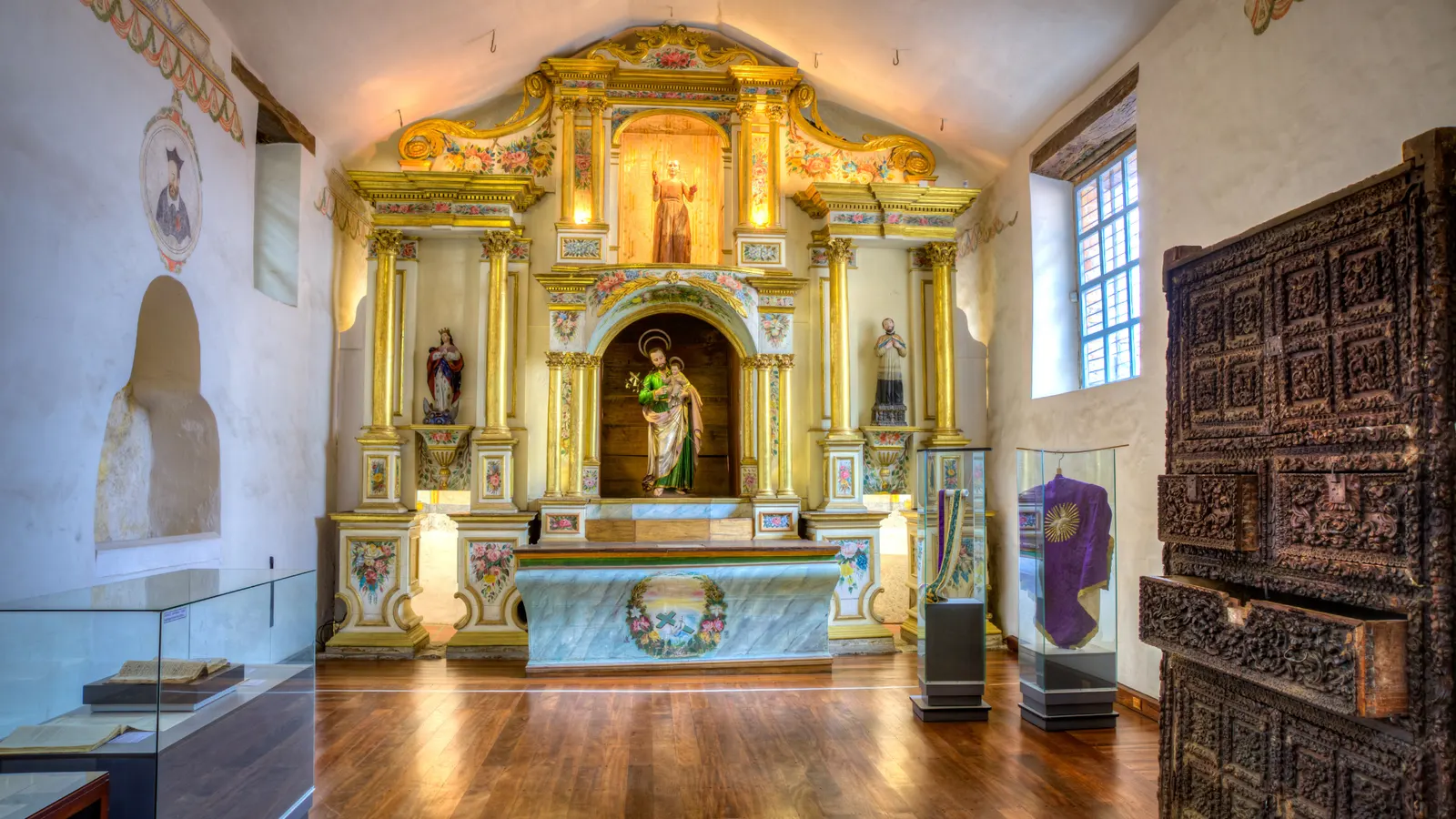 Old Cathedral (El Sagrario) Cuenca's first church, whose tower served the French scientists who measured the shape of the Earth.
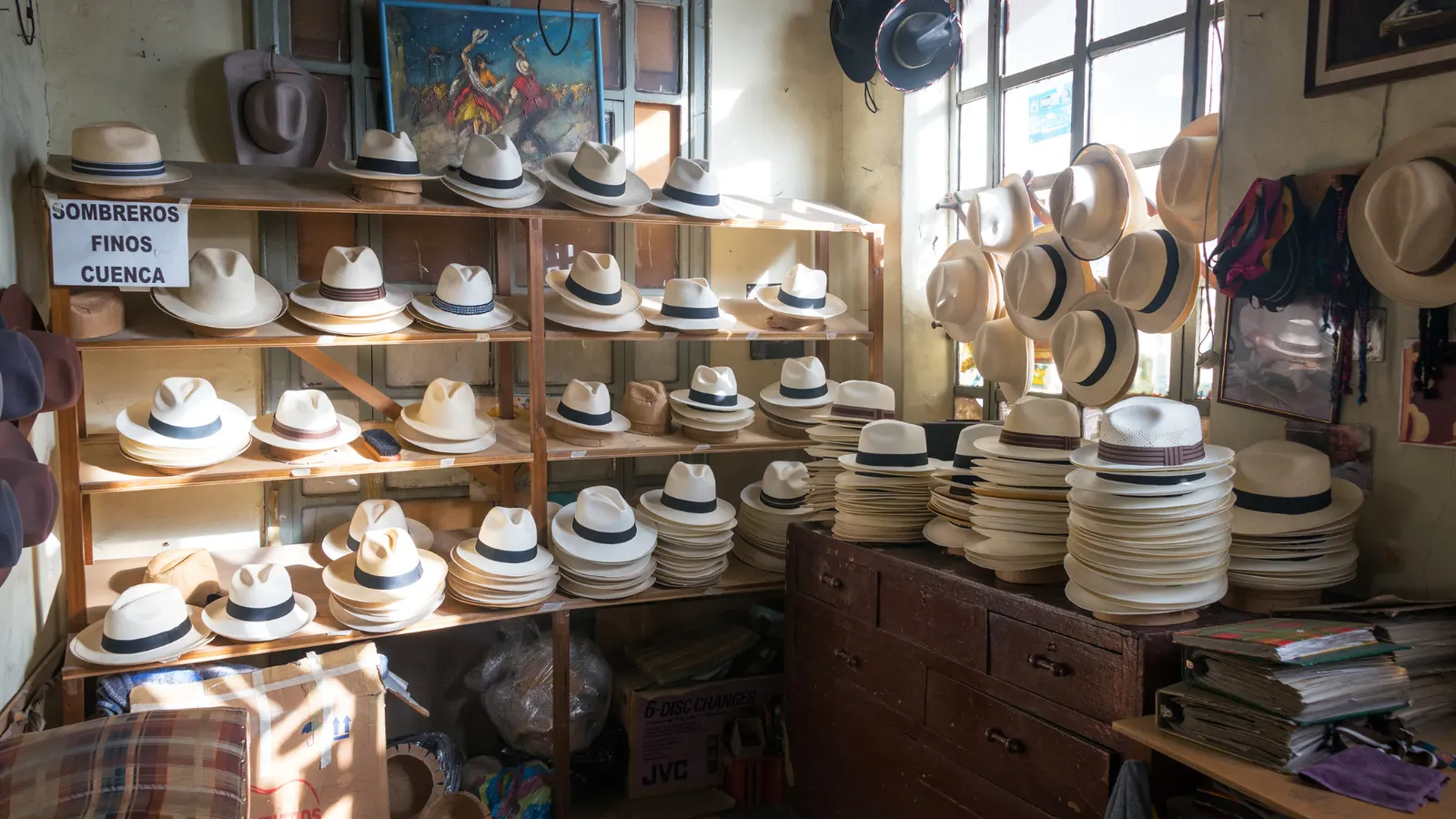 Homero Ortega Hat Museum The workshop that corrects a century-old misunderstanding: the Panama hat is Ecuadorian, and woven with almost impossible patience.
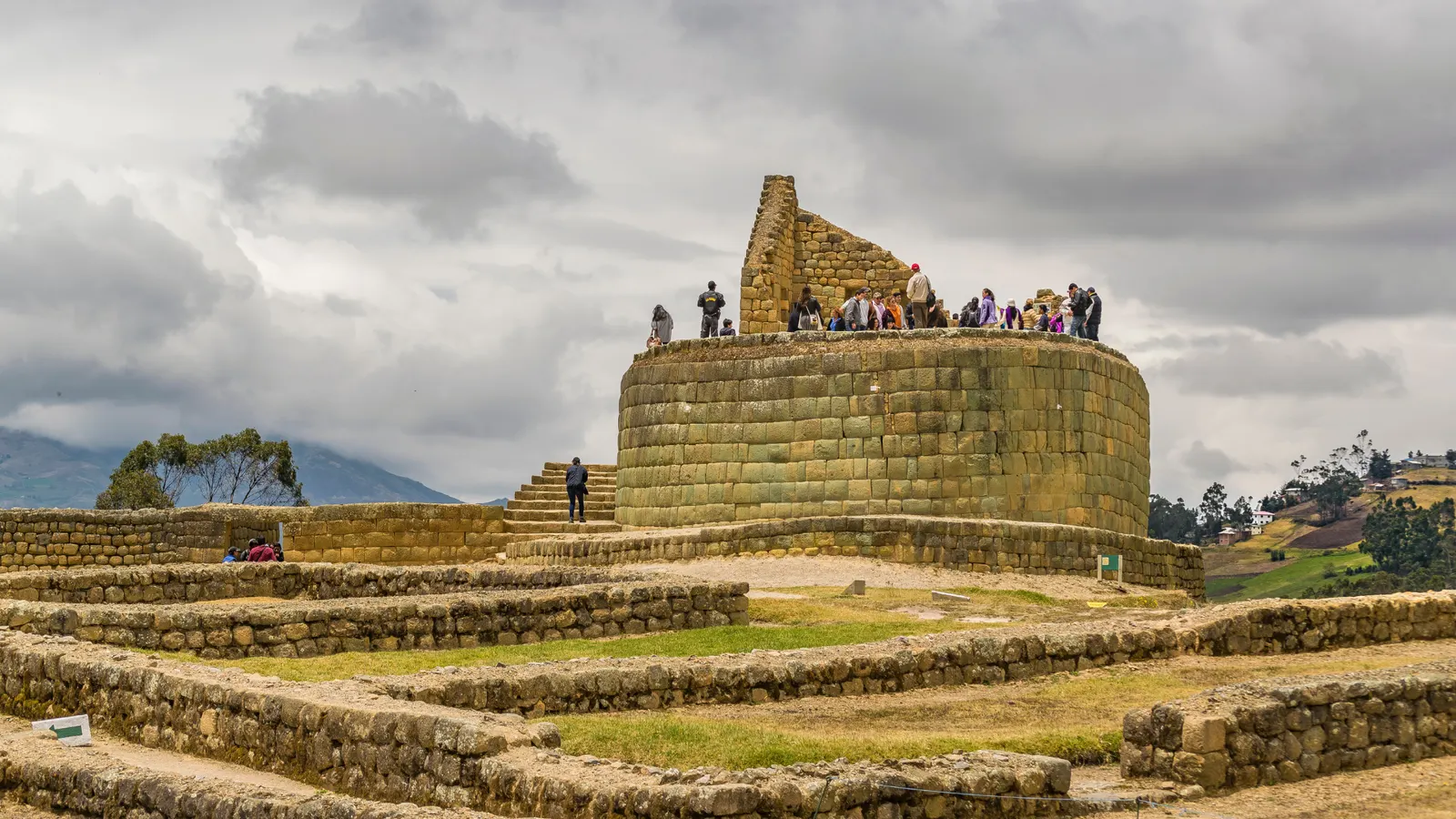 Ingapirca An Inca temple built over a Cañari sanctuary: two empires layered on one hill, and the stone that tells the story.
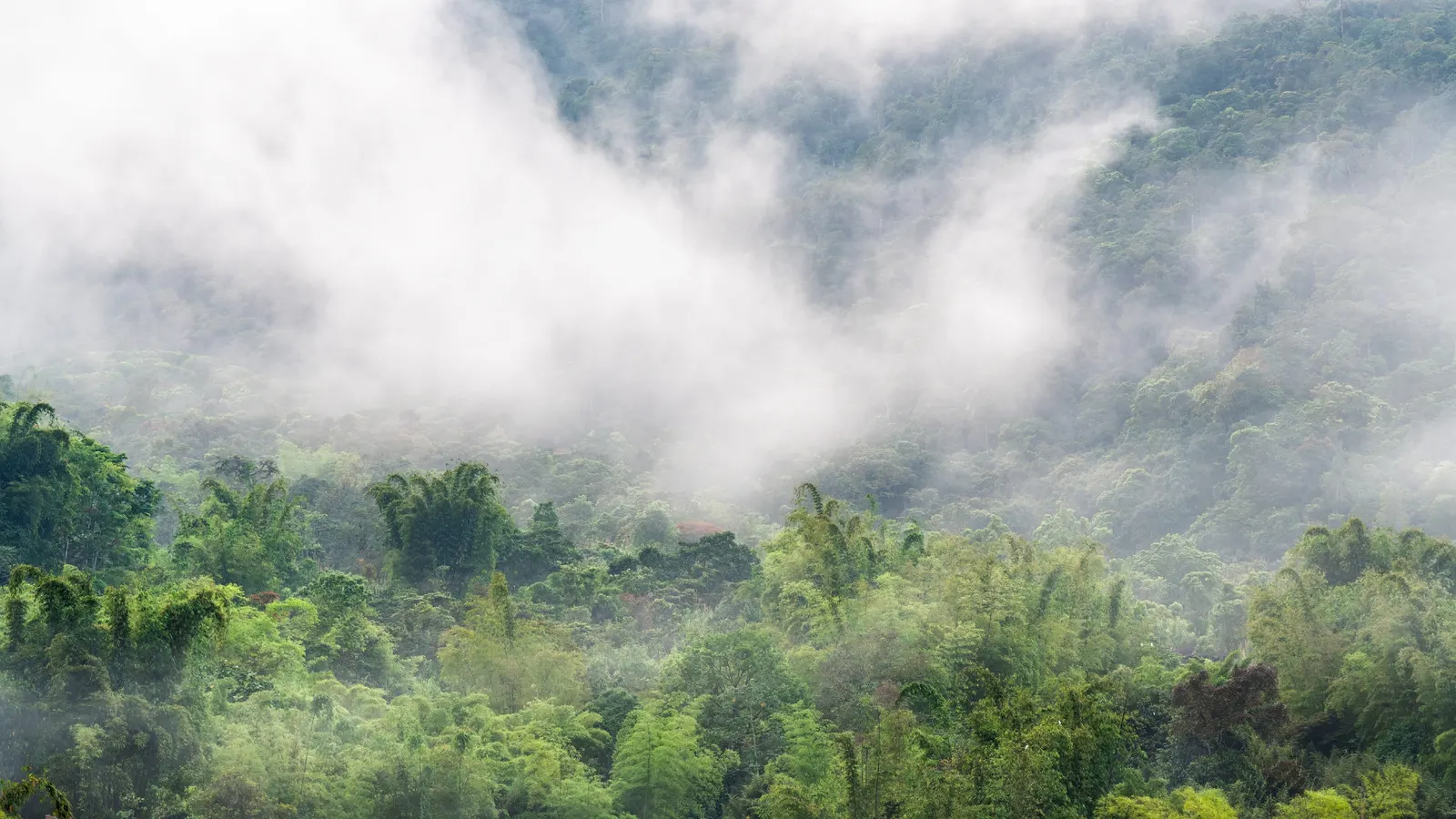 Mindo Cloud Forest One of the best places on Earth to see birds, and a school of attention for anyone who has never really looked at one.
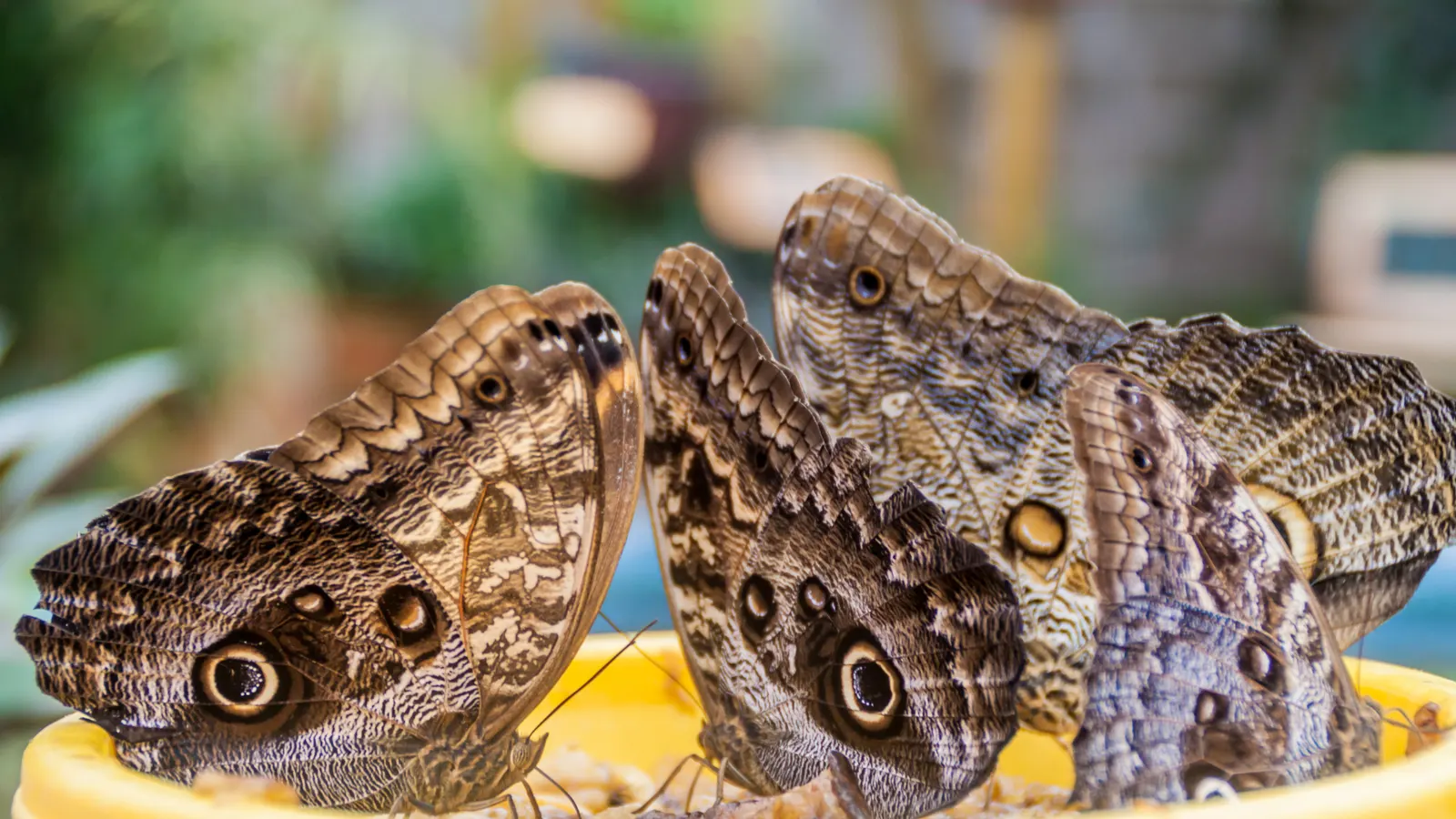 Mindo Butterfly House A breeding house where you see the butterfly's whole life cycle, and where blue morphos remind you what lives in the forest outside.
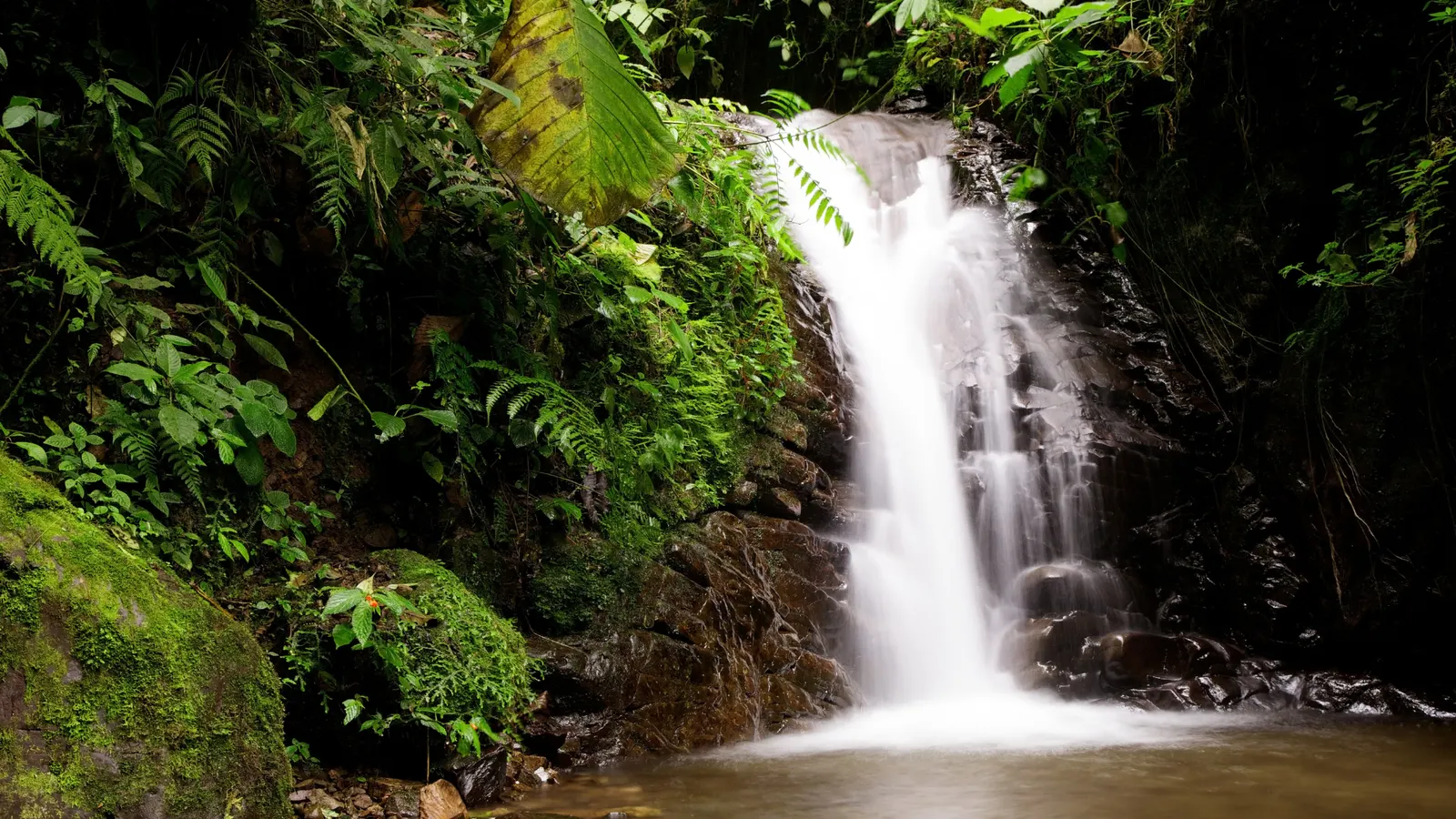 Tarabita and Waterfalls A basket hanging from a cable over the Nambillo valley, and on the far side a forest where the walk matters as much as the water.
 El Quetzal Chocolate A workshop that explains why Ecuadorian cacao ends up in Europe's most expensive bars — and why Ecuador barely eats it.
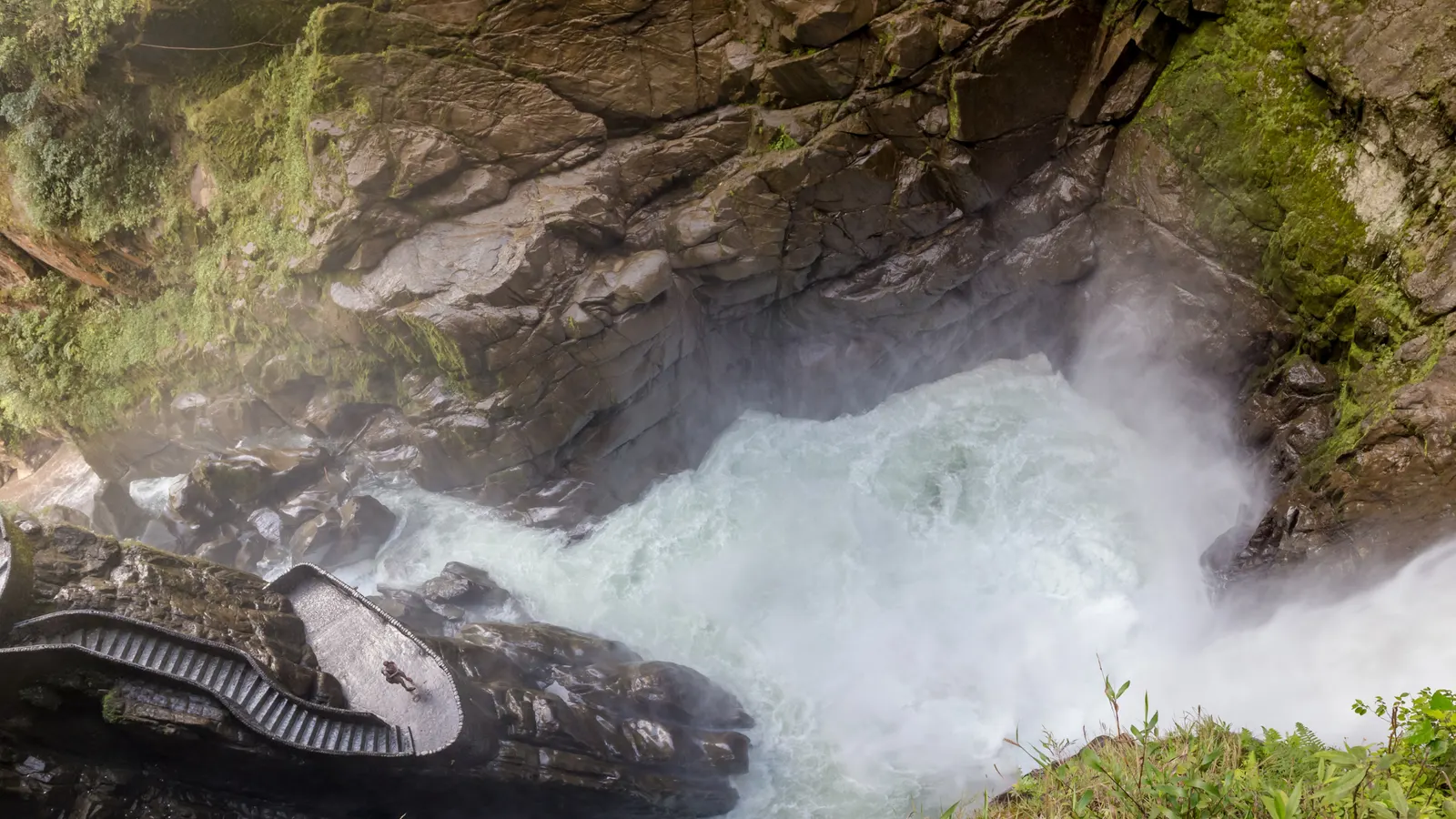 Pailón del Diablo The Pastaza narrows, roars and drops into a cauldron of rock: the waterfall where the Andes' descent to the jungle becomes physical.
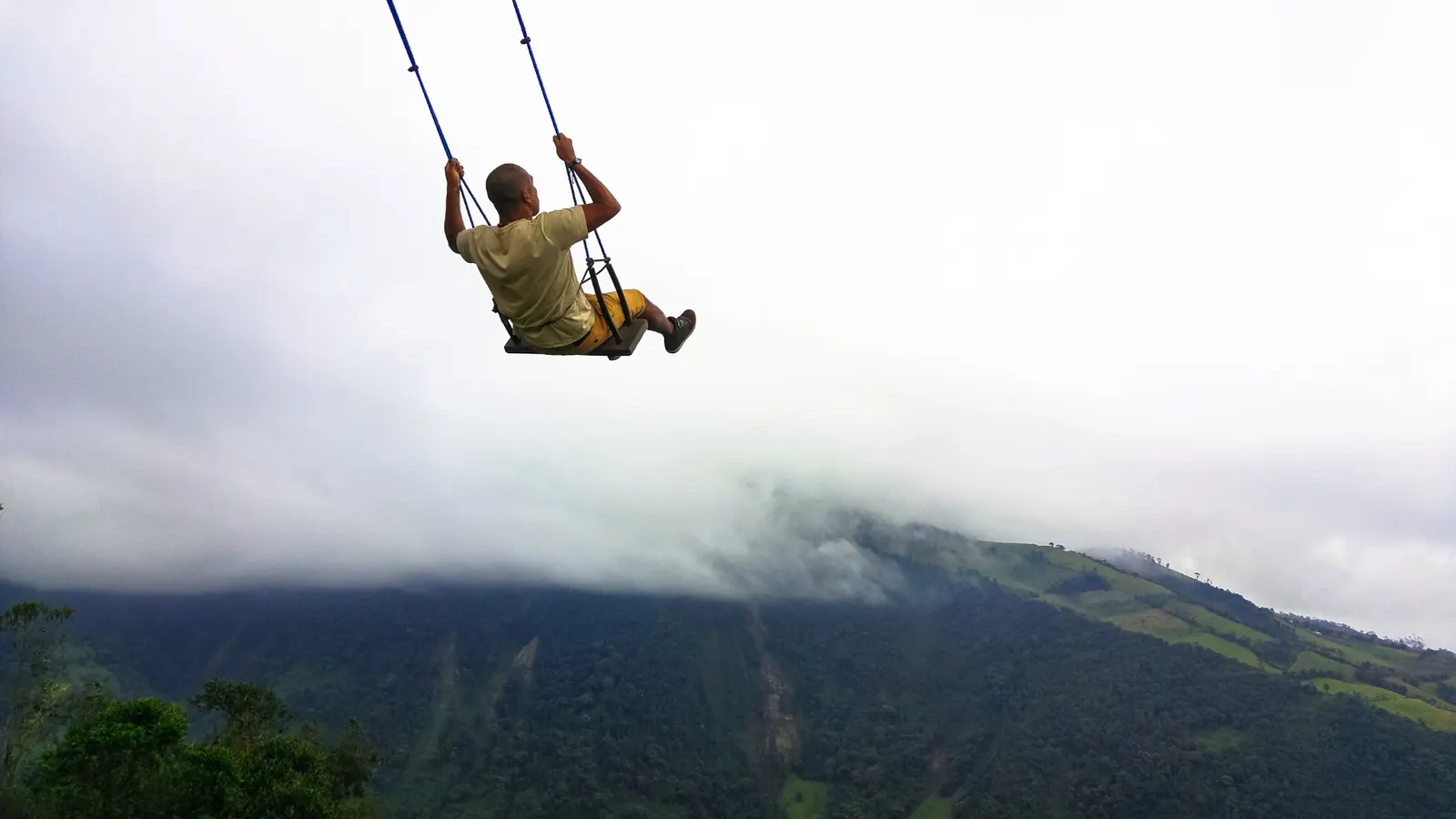 Casa del Árbol A volcano-watch hut that a swing turned into Ecuador's most repeated photo, facing the throat of fire.
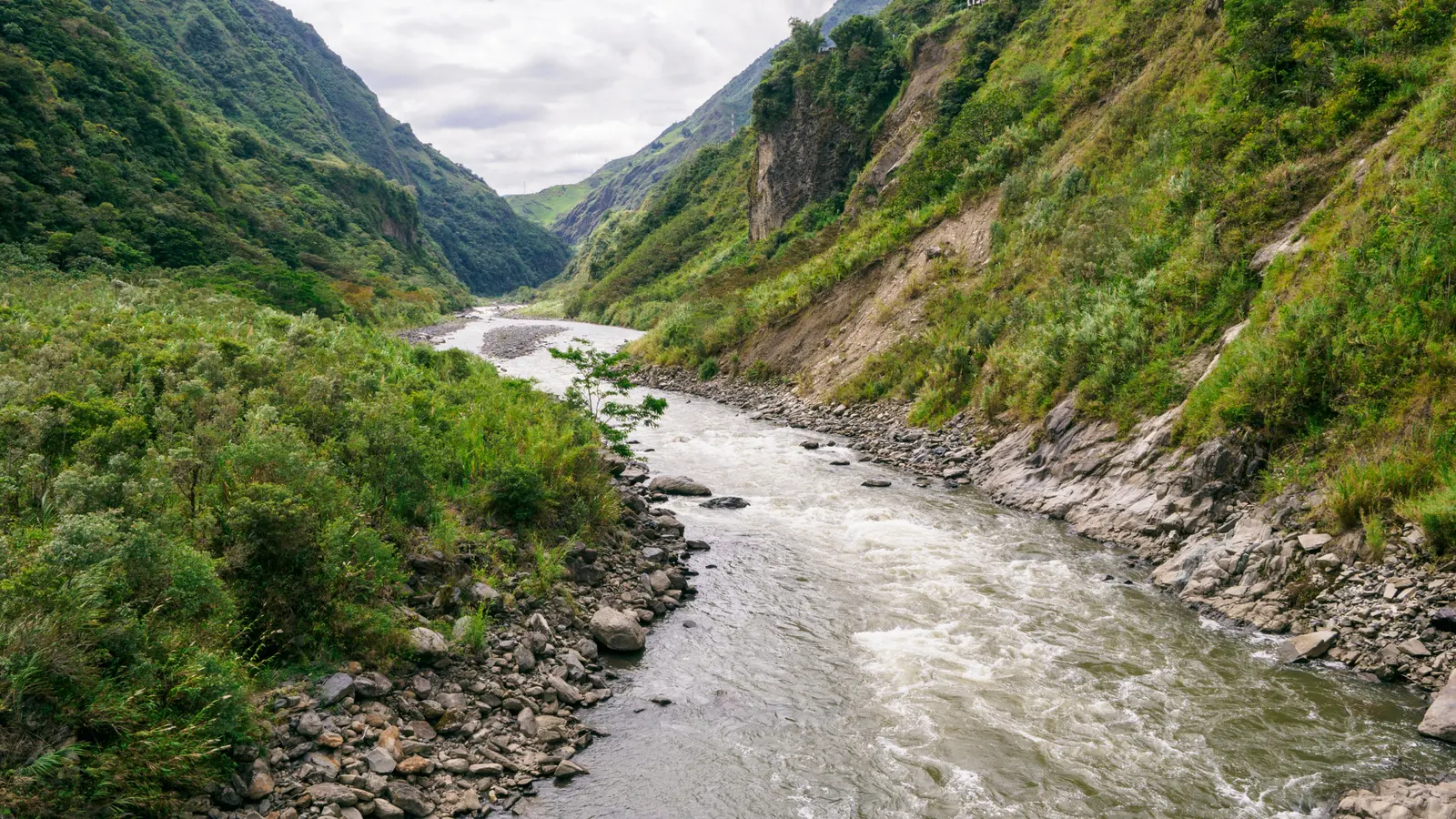 Route of the Waterfalls Sixty kilometres downhill from the Andes to the jungle, by bike, following the Pastaza canyon.
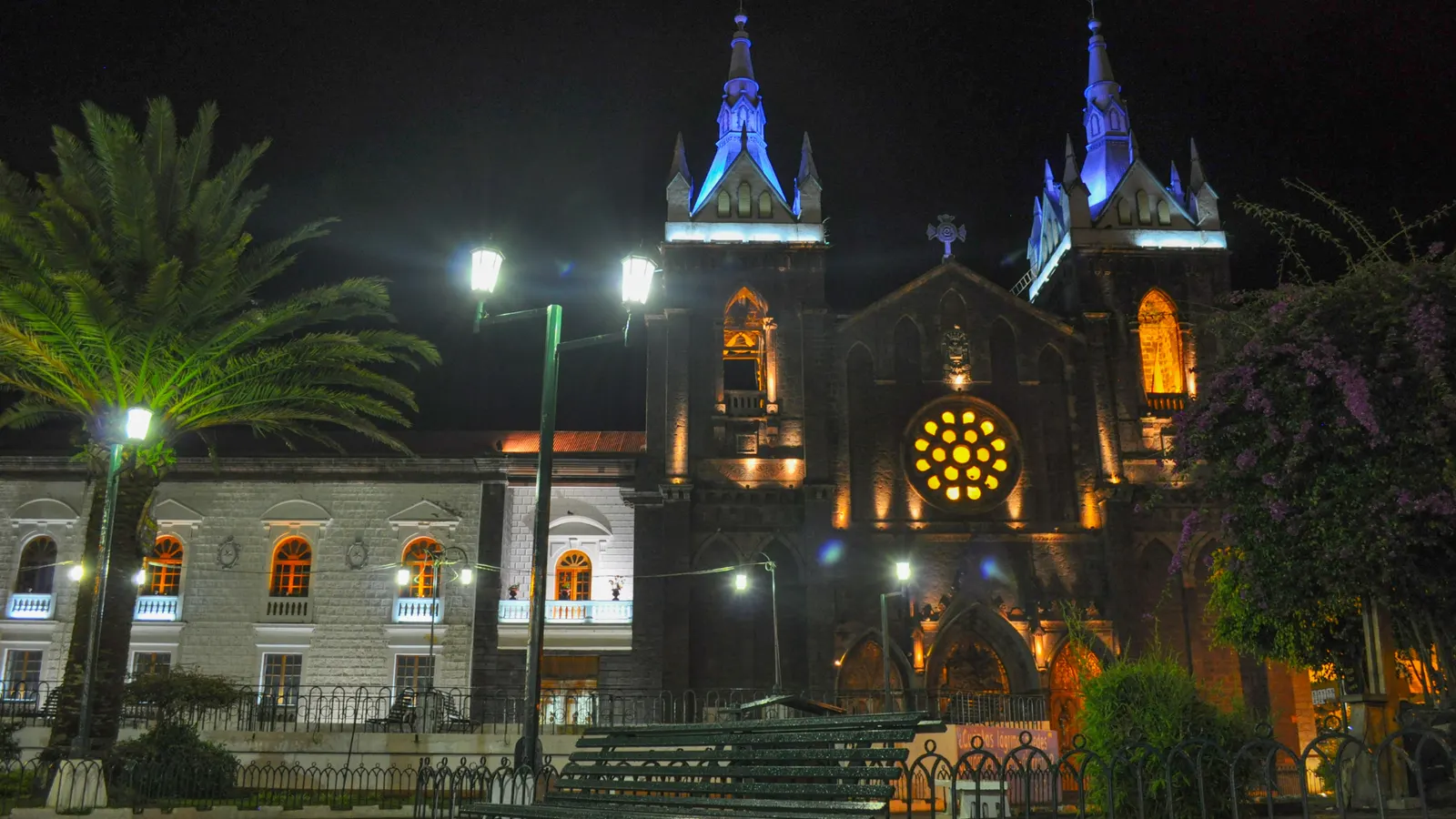 Central Park and Basilica A church full of paintings of volcanic miracles: the place where Baños tells how it has survived its neighbour.
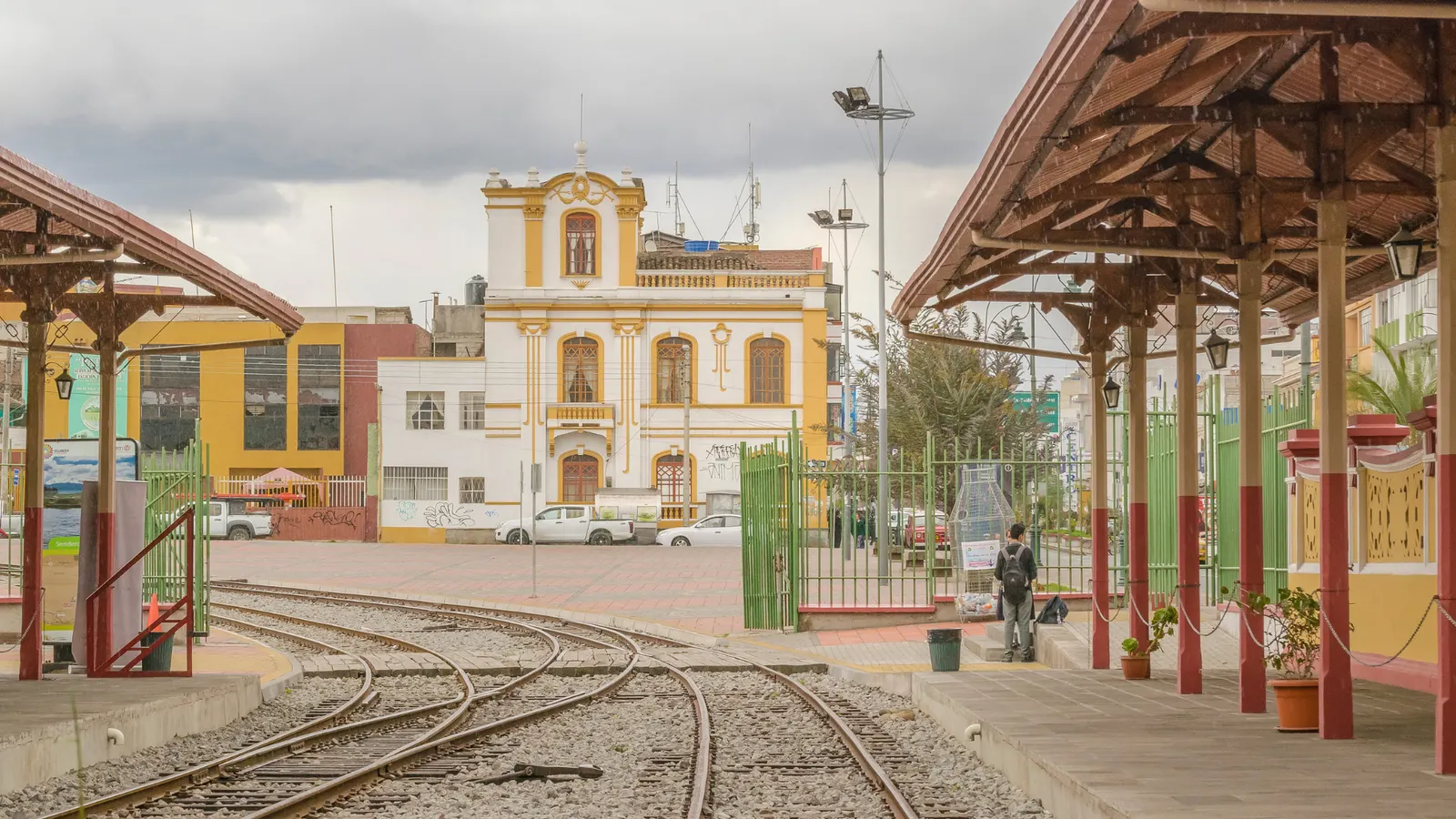 Railway Station The station of Ecuador's most ambitious and gruelling public work: a railway that climbed from the coast to the Andes by sheer zigzags.
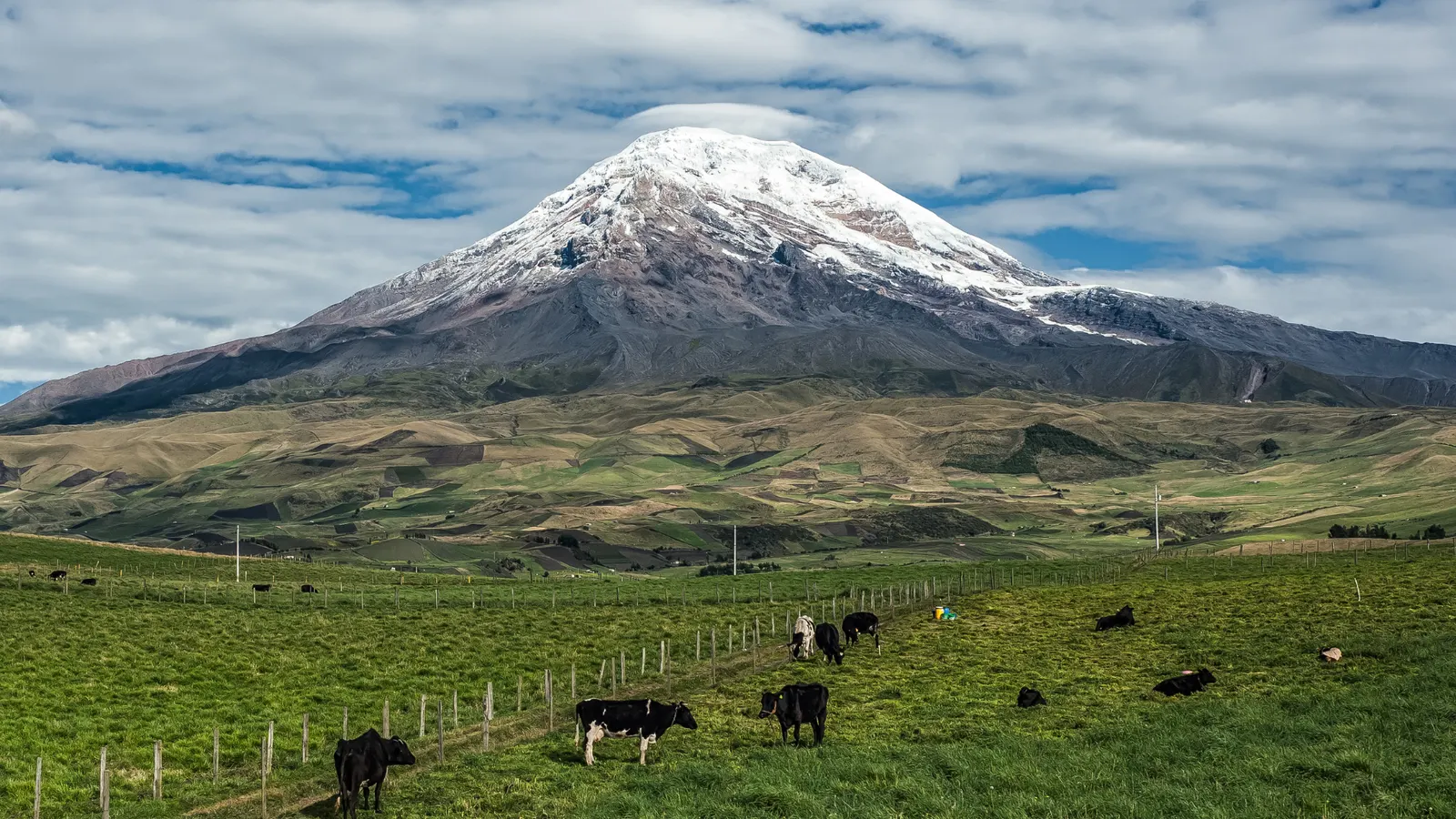 Chimborazo Volcano Not the highest mountain above the sea, but the point on Earth closest to space — and the place where Humboldt grasped ecology.
 Mercado La Merced The market where Riobamba breakfasts on hornado and yahuarlocro: páramo cooking for a day that starts at 2,750 metres. Parque 21 de Abril A hill in central Riobamba that commemorates an 1822 cavalry charge and looks out on four volcanoes at once.
 Malecón 2000 The riverfront Guayaquil reclaimed for itself, with its light, its shadows and its security guards.
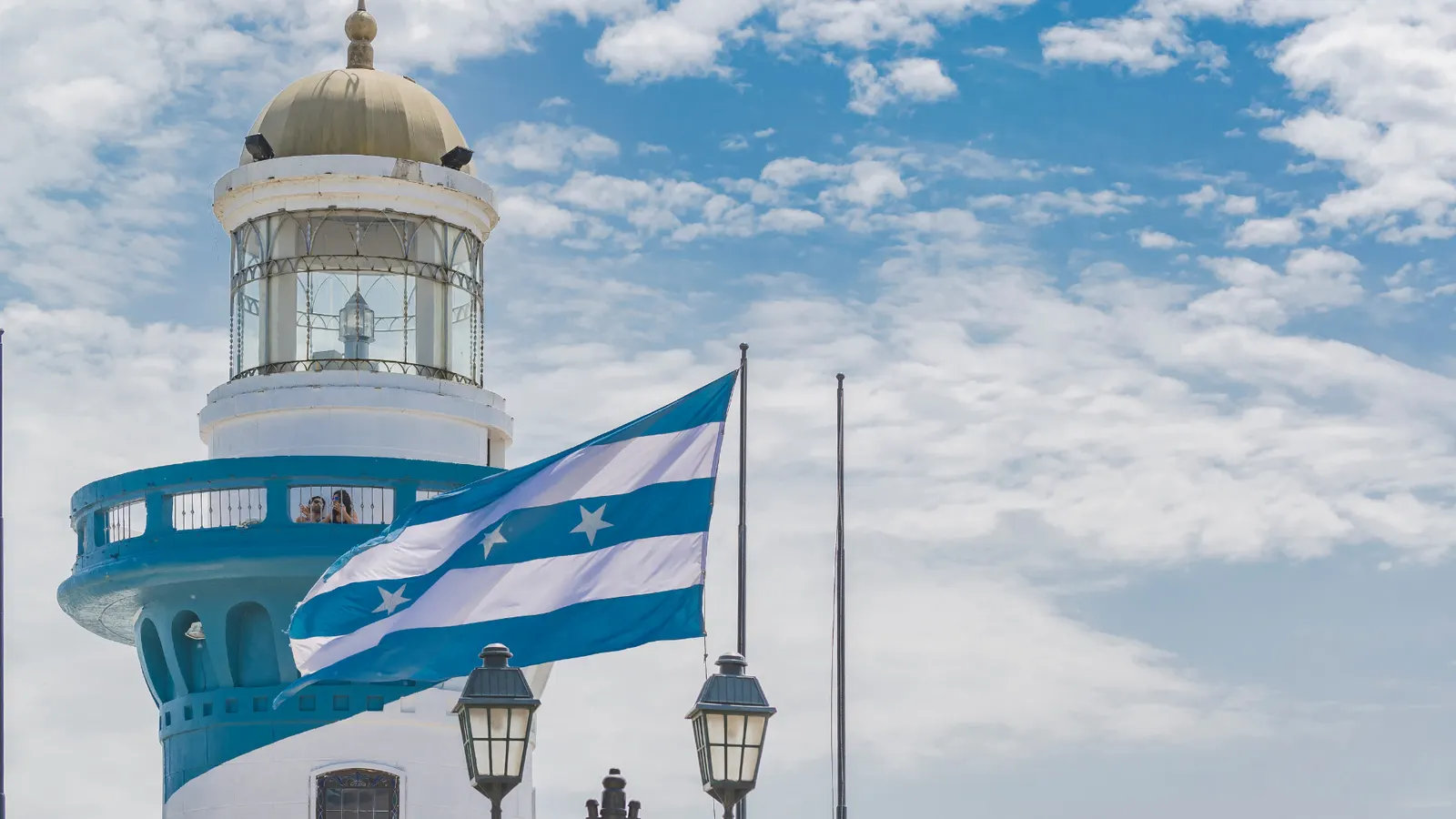 Las Peñas and Cerro Santa Ana Guayaquil's oldest neighbourhood, clinging to the hill where the city was born: 444 steps of coloured houses up to the lighthouse.
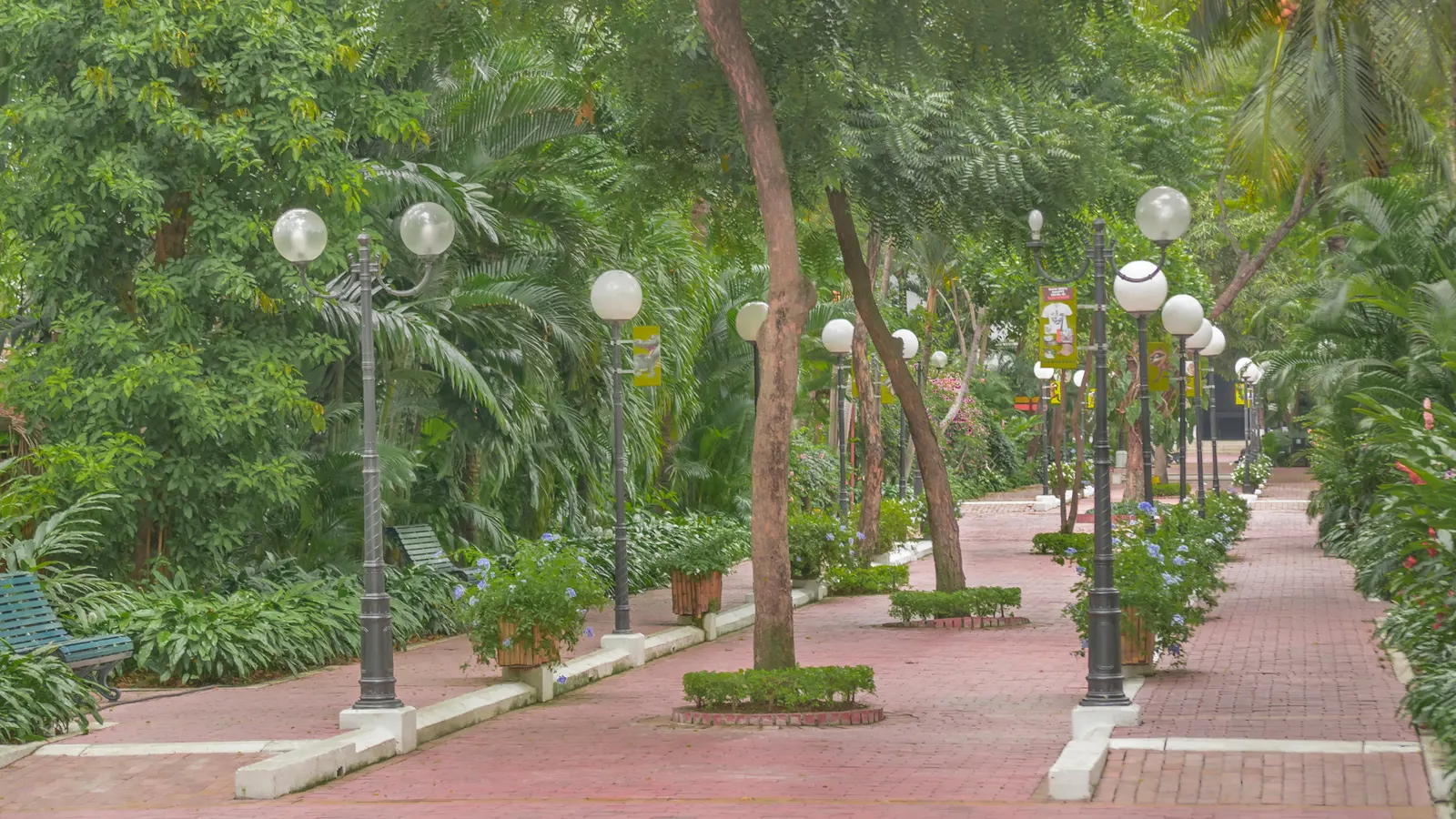 Guayaquil Historical Park Mangroves, cacao haciendas and houses moved piece by piece: an open-air museum of the coast the modern city erased. Artisan Market The whole country's handicrafts under one roof: hats, tagua and textiles, in the place where Guayaquil buys what it sells to travellers.
YOUR ECUADOR PASSPORT
Every visited place earns 10 points: from the historic centre of Quito to Bartolomé, the passport keeps your own route through the country.
Progress is saved on this device and updates throughout the guide.
Free sample · Quito
A century and a half of Jesuit building to persuade a continent that heaven looked like this.
You can walk into La Compañía with a prejudice — too much gold, too much of everything — and walk out feeling you have been presented with an argument. Because that is what it is: a building that does not seek serene beauty, but conversion by saturation.
The Jesuits reached Quito at the end of the sixteenth century and settled one block from the main square, at the heart of the city. Their church took a hundred and sixty years to build, from 1605 to 1765, while the order became the richest and most influential institution in the Audiencia: schools, haciendas, textile workshops. Two years after the work was finished, in 1767, the Crown expelled the Jesuits from all its territories. They enjoyed their completed church for barely a couple of years.
That context explains the tone. La Compañía is the church of an order at the height of its power, in a city where it had to impress the Indigenous and creole population and compete with Franciscans, Dominicans and Augustinians.
The façade, in volcanic stone, was the last thing to be finished and is the first thing you see. Notice the Solomonic columns, twisted like spirals, inspired by the baldachin Bernini raised in St Peter’s in Rome. Jesuit saints, niches and reliefs leave hardly an inch of plain surface. It is stone worked as if it were wood.
Inside, the blow is the gold. Gold leaf covers altarpieces, pilasters, vaults and pulpit, and the light from the dome makes it shimmer. But do not stop at the glitter. Look at the ceilings and the geometric patterns on the pilasters: there are Mudéjar echoes, an Islamic-rooted tradition brought from Spain, mixed with flowers, fruits and faces that Quito’s craftsmen — many of them Indigenous — slipped into the scheme. That blend is what makes La Compañía American Baroque rather than a copy of the European kind.
By the entrance hang two canvases that sum up the teaching of the age: Hell and the Last Judgement, with sins and their punishments explained in almost graphic detail. Next to the gold, they are the reminder of what awaited anyone who refused to be convinced. And in the sanctuary lies Mariana de Jesús, Quito’s seventeenth-century saint, venerated throughout the city.
In 1996 a fire badly damaged the interior. The restoration, long and meticulous, returned the church to worship and to visitors almost a decade later. Some of the gold you see is therefore recent work done with traditional techniques. That does not lessen its value: it adds one more layer to a building that has always been in the process of being remade.
Entry costs 4 USD and the usual hours are Monday to Saturday 9am–5pm and Sunday 12pm–4pm. Photography is not allowed inside, so look calmly instead of hunting for the frame. Arrive early: by mid-morning groups fill the nave and you lose the experience of standing almost alone before the gold.
It is one block from Plaza Grande and another from San Francisco. The natural order is Cathedral, Compañía and San Francisco, from the most sober to the most popular, then down towards La Ronda.

Who writes it
Plans
No surprise subscriptions. No fine print. One payment, permanent access.
€14.99one-time payment
€30one-time purchase
Not sure yet? Explore for free → · Secure payment with Stripe · Immediate access
Most European and North American passport holders do not need a visa. You can enter with a passport and stay up to 90 days as a tourist.
Only by flight from Quito or Guayaquil. There is no mainland ferry. Flights depart from both cities several times a day. You must pay a national park entry fee at the airport.
The highlands (Quito, Cuenca, Otavalo) and the Galápagos are safe for independent travel. Guayaquil has areas requiring caution. The northern coast and some Amazon border zones should be checked before visiting. The guide details the current situation zone by zone.
It depends on the region. Highlands: June-September (dry, cool). Coast: December-May (warm, light rain, calm sea). Galápagos: year-round, though June-November has cooler waters and more swell. The guide covers each region in detail.
Yes. The online edition reflects the latest published version. Content updates are included for 1 year from the date of purchase.
Access to your purchased edition is indefinite. Content updates are included for 1 year from the date of purchase.
Yes. From inside the guide, you can download a complete copy with its images for offline use. Interactive maps require a connection. When you are back online, you can update the downloaded copy if a new edition is available.
No passwords needed. Go to /en/access, enter the email you used to purchase and we'll send you an instant access link. Works on any device.
Yes. The guide is available in both Spanish and English. You can switch languages at any time from the navigation menu.
It's designed mobile-first. You can install it as an app (PWA) on iOS and Android without going through any app store.
It's not a PDF. It's an interactive website, organised by destination and attraction — not by day. Read it in any order and jump directly to whatever interests you.
One-time payment · Instant access