Understand
Before you arrive: the country, its history and its codes.
- Introduction to Romania
- Dacia and Rome
- Three principalities
- Ottomans and Phanariots
- The Great Union (1859-1918)
- and 2 more
Choose by region. Each guide is a travel essay, not a brochure.
Europe
Mediterranean · Balkans · North
Asia
Silk Road · Southeast
Americas
Latin America
Africa & Middle East
North Africa
Guide to Romania · Carpathians · Eastern Europe
Carpathians, painted monasteries and Europe's youngest delta
43 places explained one by one: why they are there, what to look at and how to fit them into your day. With maps, itineraries, a travel passport and a library of Alex's videos and podcasts.
€14.99One-time payment · permanent access · ES / EN

25 chapters43 places4 itineraries43 map points
What is inside
Organised the way you travel: first understand the country, then travel it place by place and, finally, plan it all.
Before you arrive: the country, its history and its codes.
On the road: every place, in geographical order.
To organise it: routes, transport, money and seasons.
Travel
 Palace of the Parliament The building in which Ceaușescu tried to set his power in stone: a monumental seat raised over an erased neighbourhood, still too large for any use it has found.
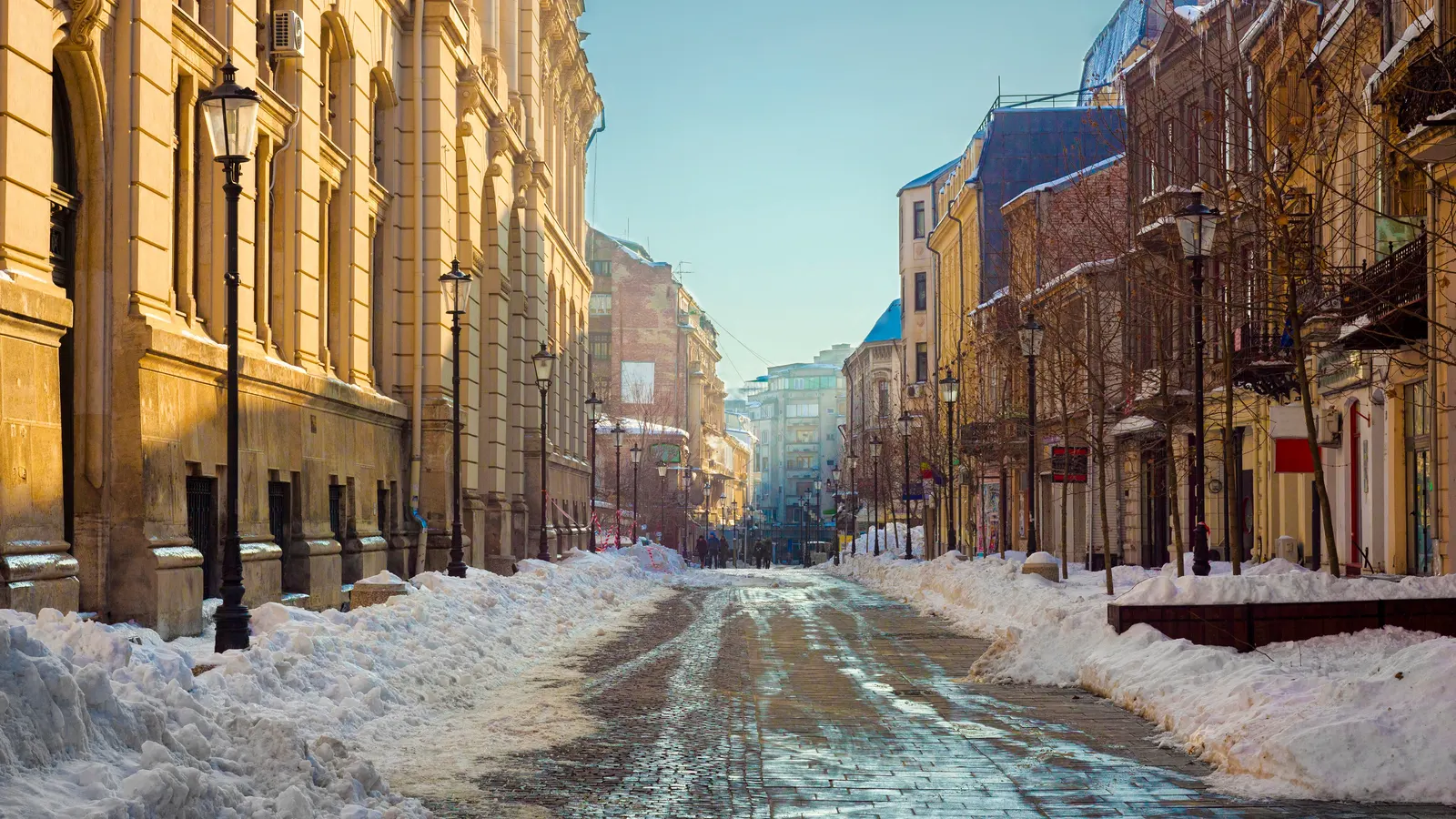 Old Town (Lipscani) The merchants' quarter that grew beside the princes' court and survived, cramped and untidy, Ceaușescu's bulldozers.
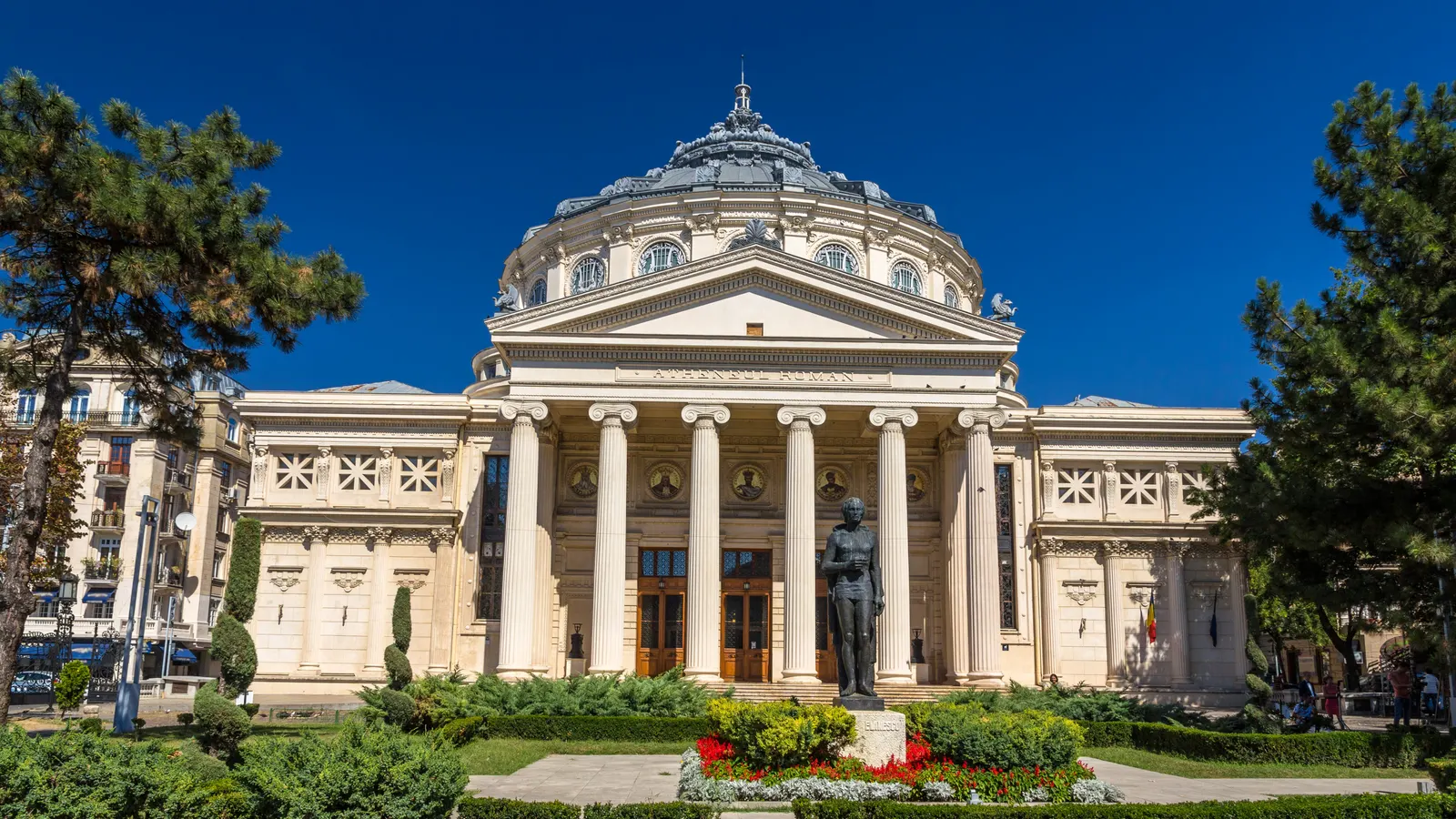 Romanian Athenaeum The concert hall Romanians paid for one leu at a time, which became the symbol of a nation that in the nineteenth century wanted to be European.
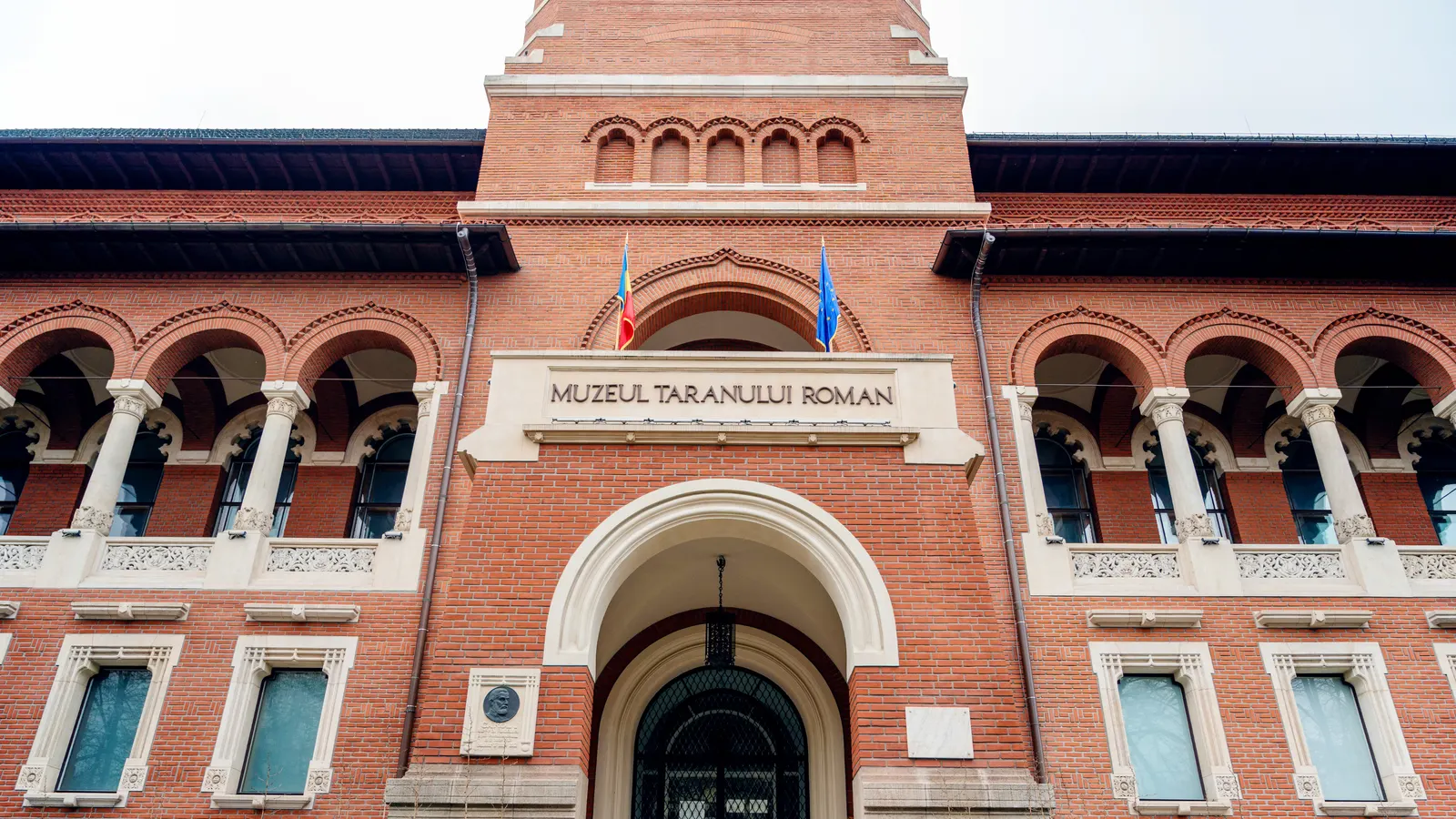 Romanian Peasant Museum A museum that treats rural culture as thought rather than folklore, in a building communism once used to glorify itself.
 Black Church (Biserica Neagră) The great Gothic church of the Saxons of Kronstadt, blackened by a fire and hung with Turkish carpets that show where their trade ran.
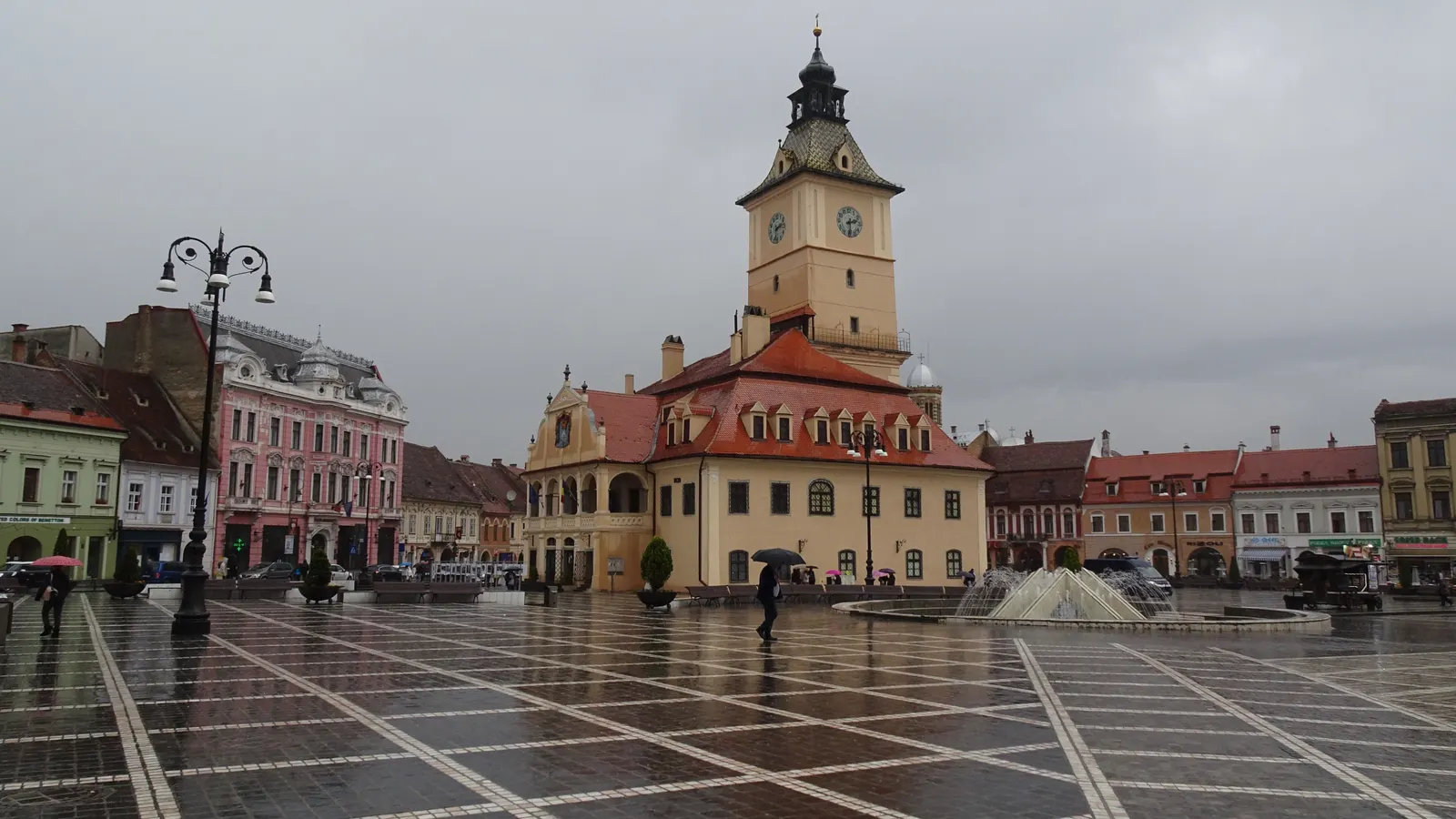 Piața Sfatului The council square of the Saxon city, where merchants met, convicts were judged and half of Transylvania now sits down for a drink.
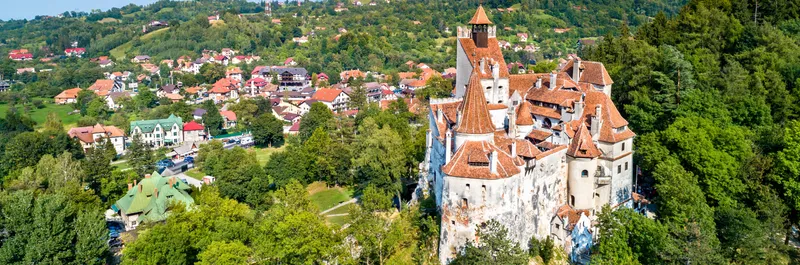
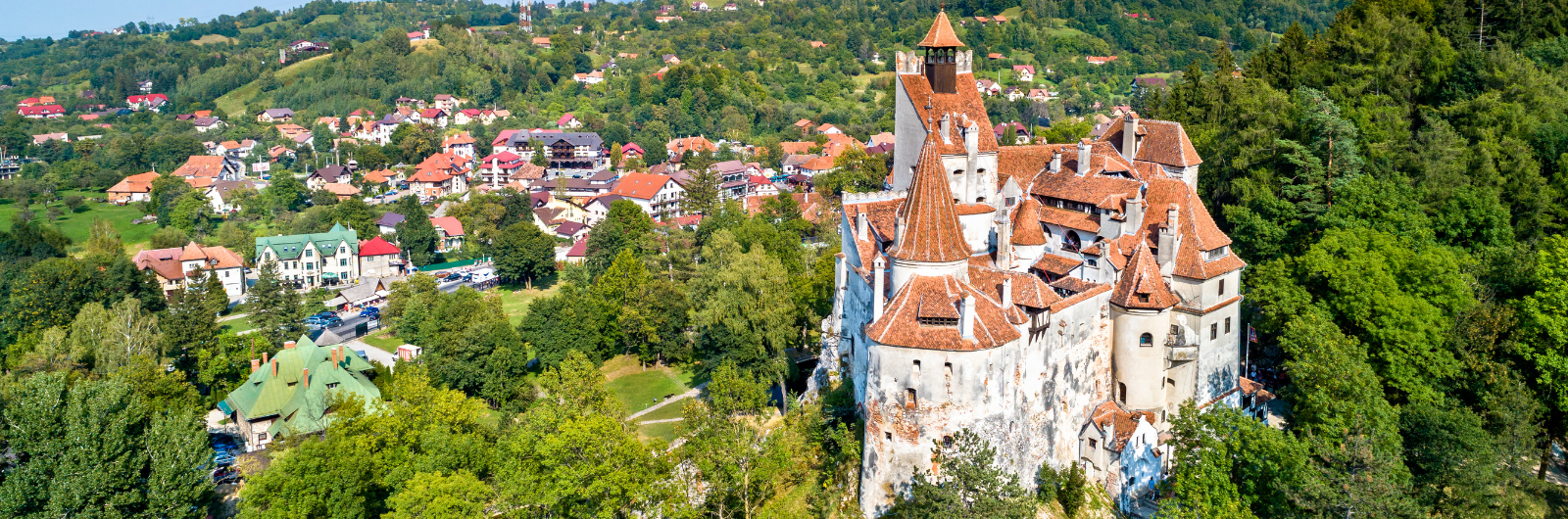 Bran Castle A Saxon customs fortress turned into a queen's summer home, and then into the Dracula castle it never was.
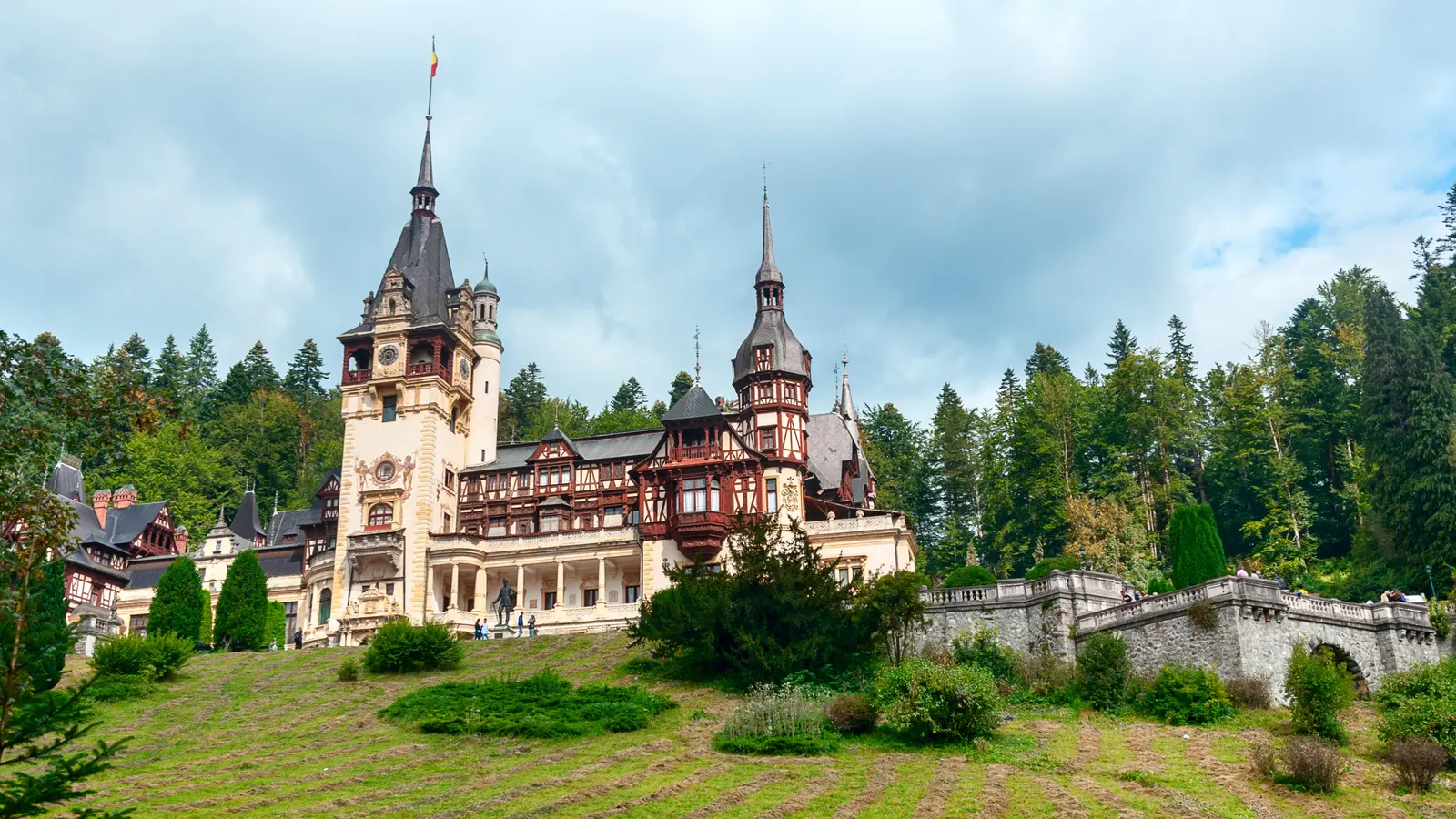 Peleș Castle The palace with which a German prince turned king of Romania set out to prove that the new country already belonged to Europe.
 Sighișoara Citadel A walled Saxon town on a hilltop where people still live, go to school and hang out their washing.
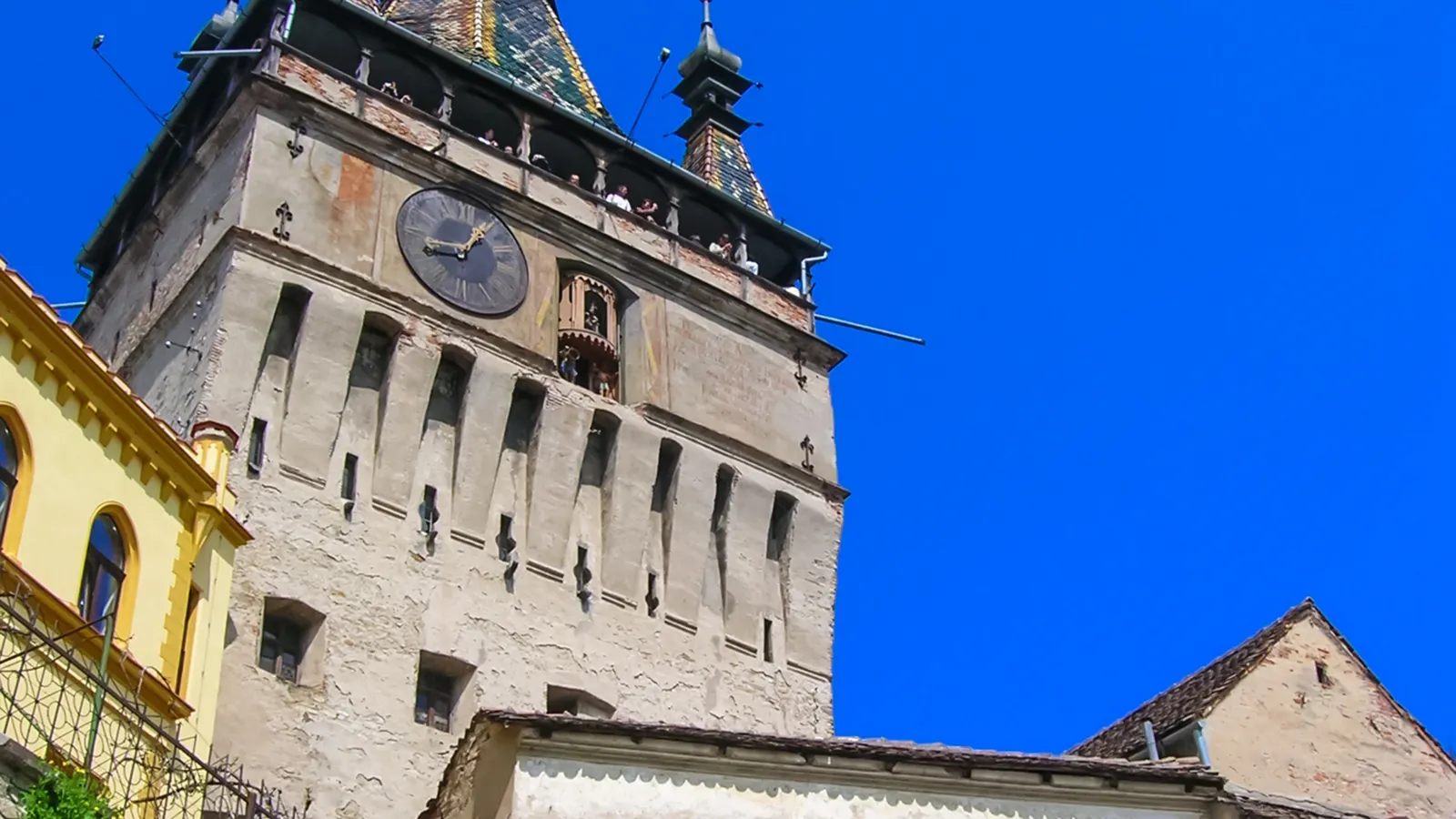 Clock Tower The fortified gate that housed the town council and that every midnight changes the figure announcing the new day.
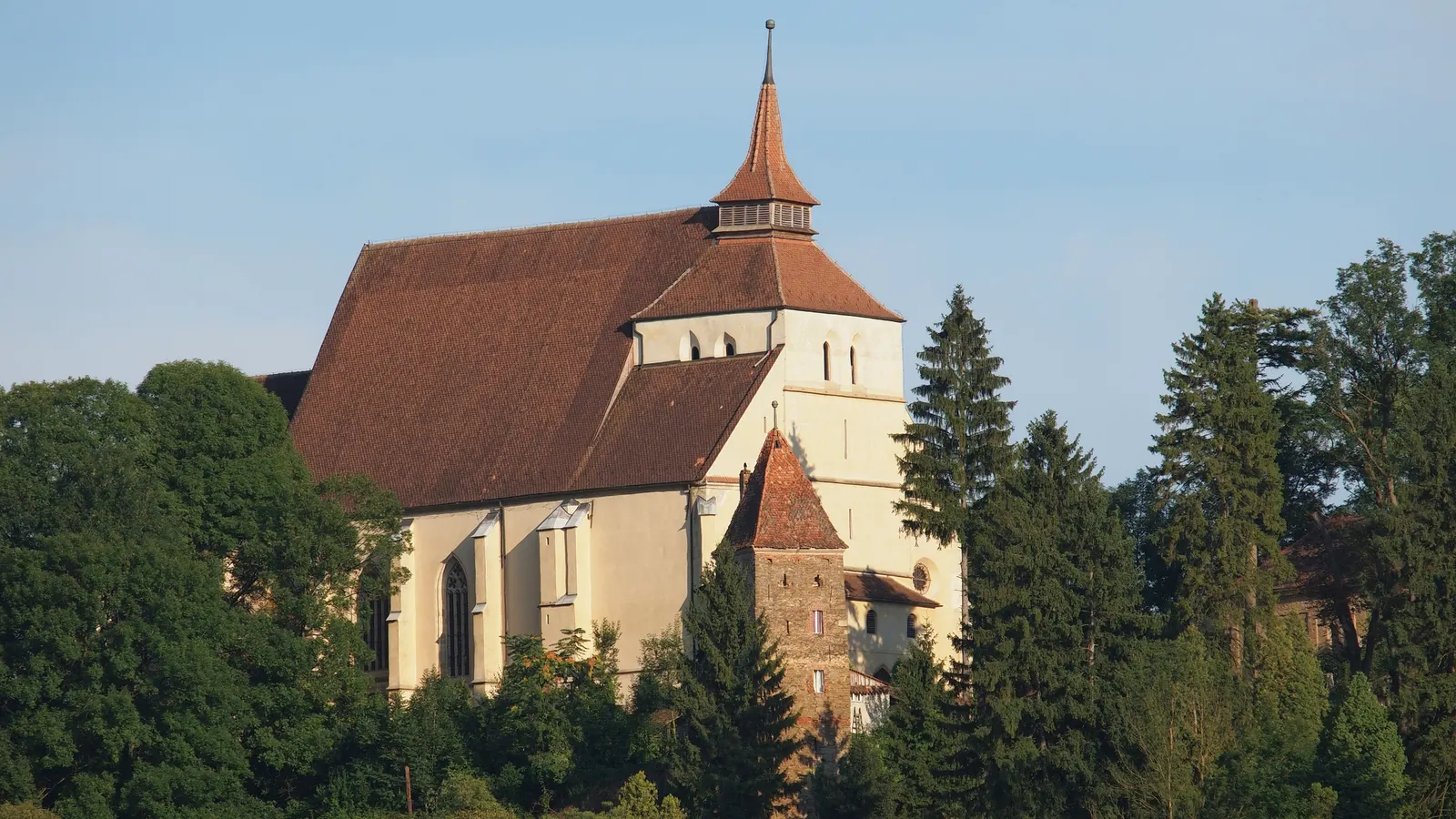 Church on the Hill The Gothic church that crowns Sighișoara, reached by a covered stairway built so that schoolchildren would not get wet. Vlad Dracul's House The house where, by tradition, Vlad Țepeș was born, and which says more about the tourism of the myth than about the historical figure.
 Piața Mare The great square of Hermannstadt, capital of the Transylvanian Saxons, ringed by palaces and by roofs that watch passers-by.
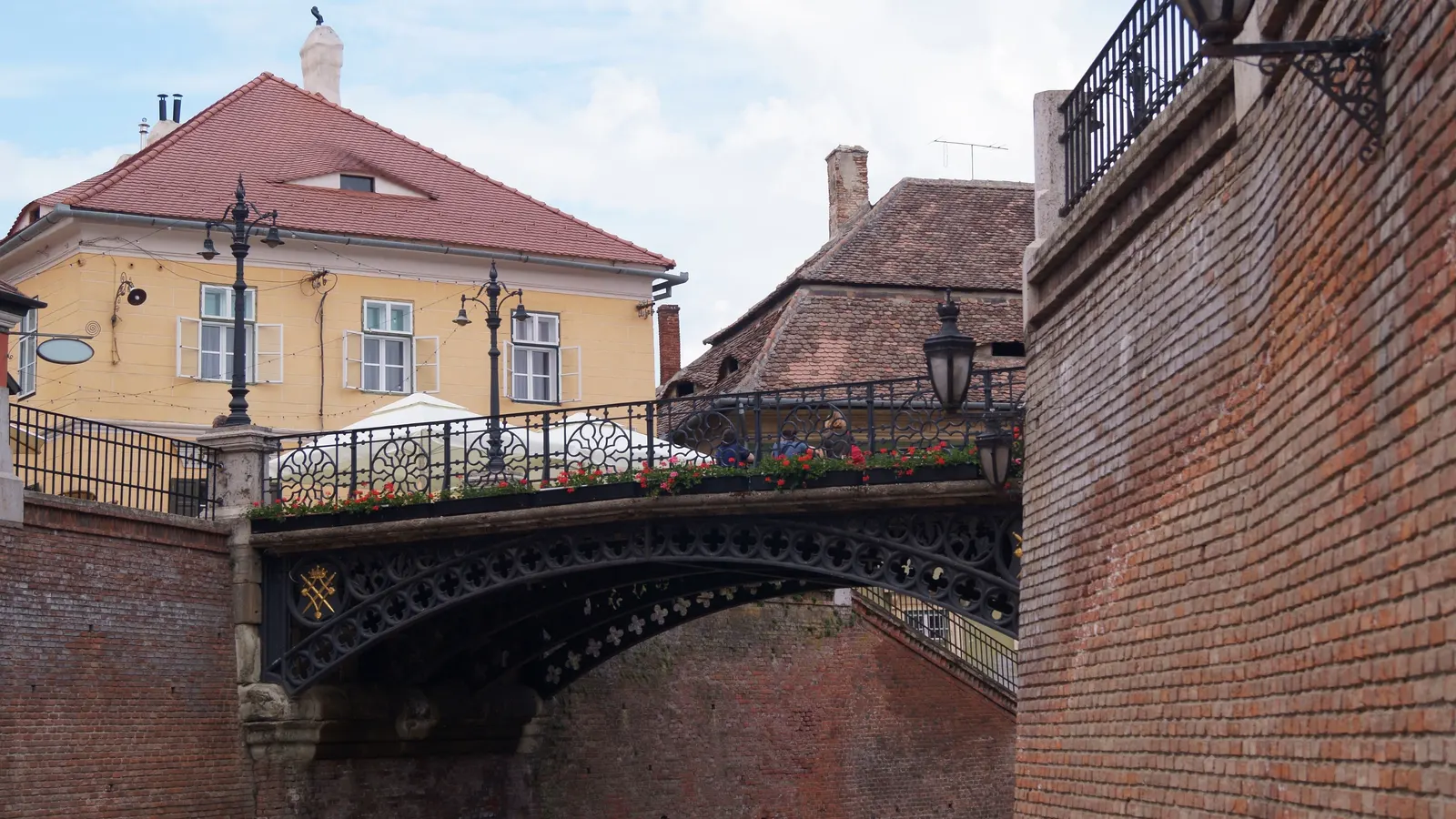 Bridge of Lies A small cast-iron bridge joining the upper and lower towns which, legend has it, creaks whenever someone tells a lie.
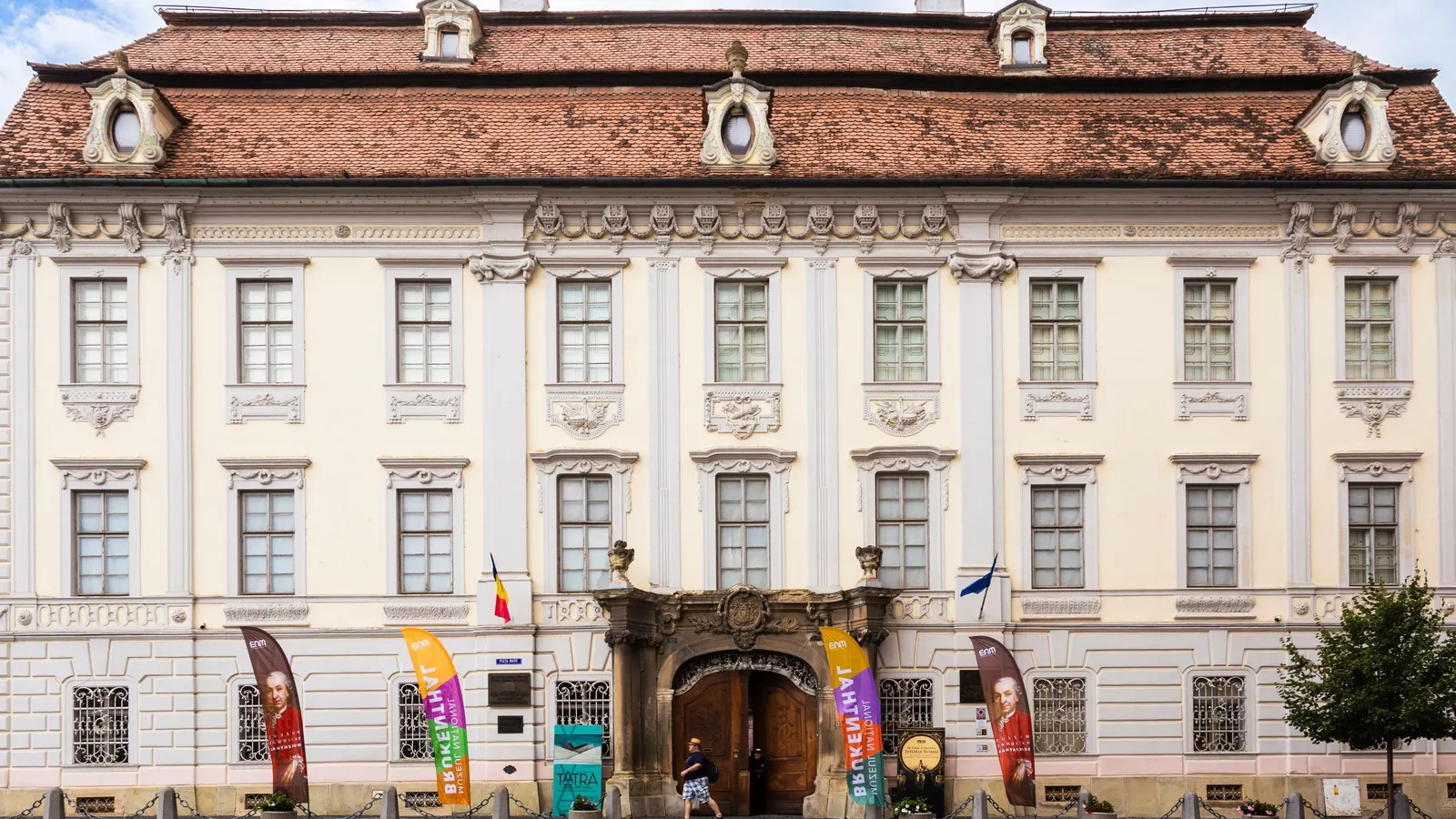 Brukenthal Museum The collection an Enlightenment Saxon governor gathered in Vienna and left to his city so that Transylvanian students could see the European masters.
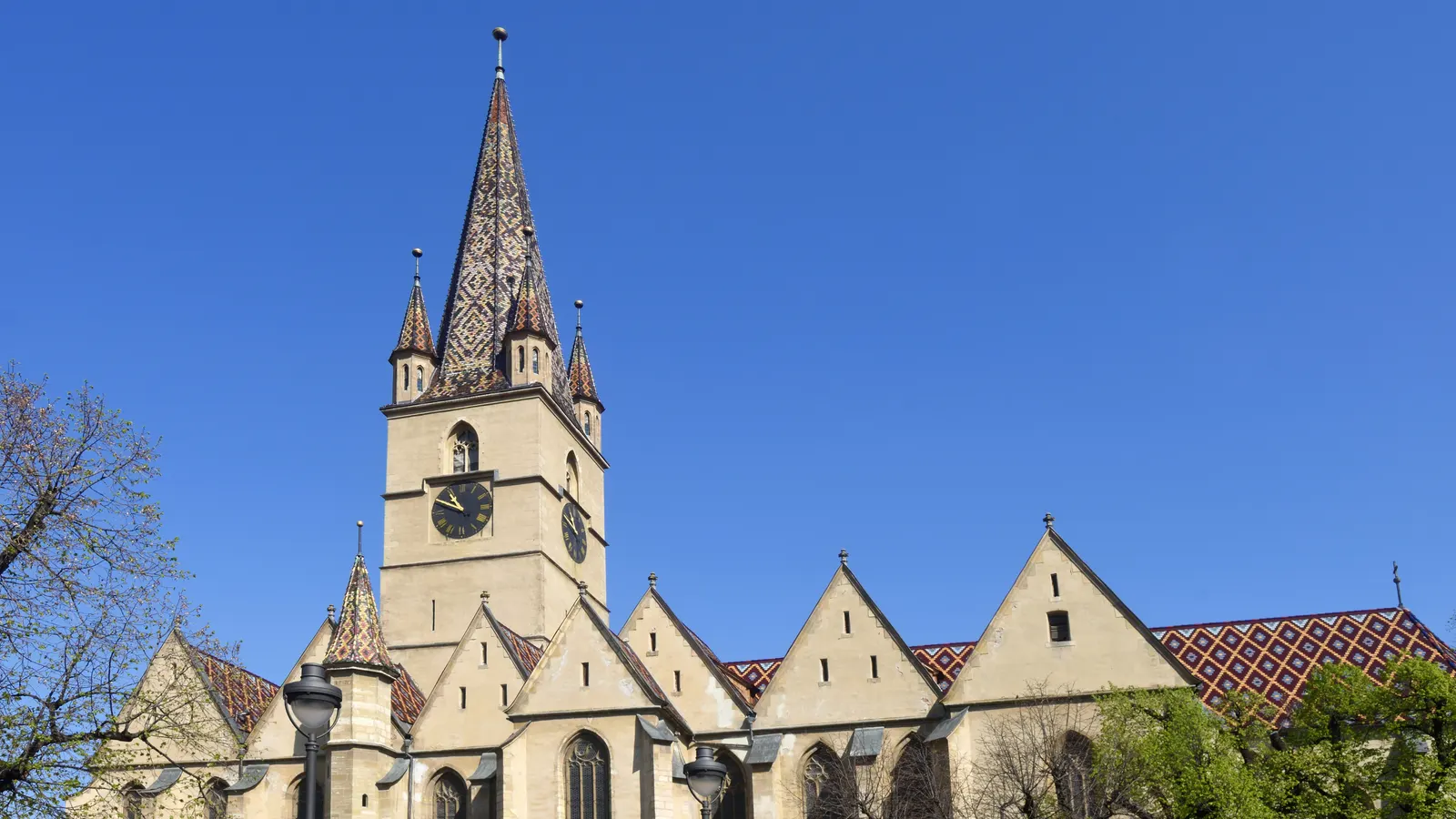 Evangelical Cathedral The great Gothic church of the Saxons of Hermannstadt, where a Wallachian prince murdered at its door lies buried.
 Alba Carolina Citadel The star fortress the Habsburgs built to control Transylvania, where two centuries later Romanians proclaimed their union.
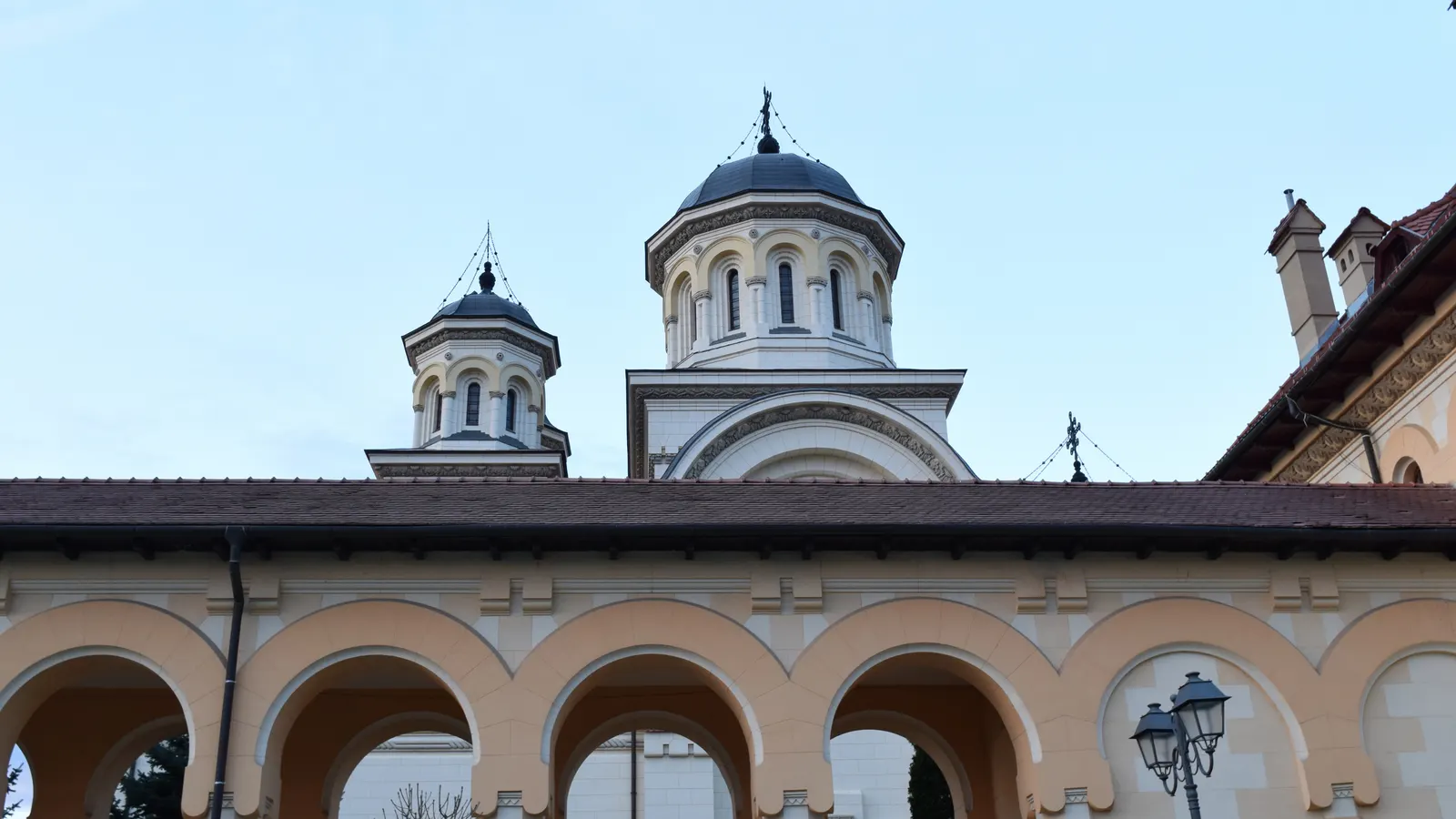 Coronation Cathedral The Orthodox cathedral raised in fifteen months to crown the first kings of Greater Romania, inside a citadel designed for another empire.
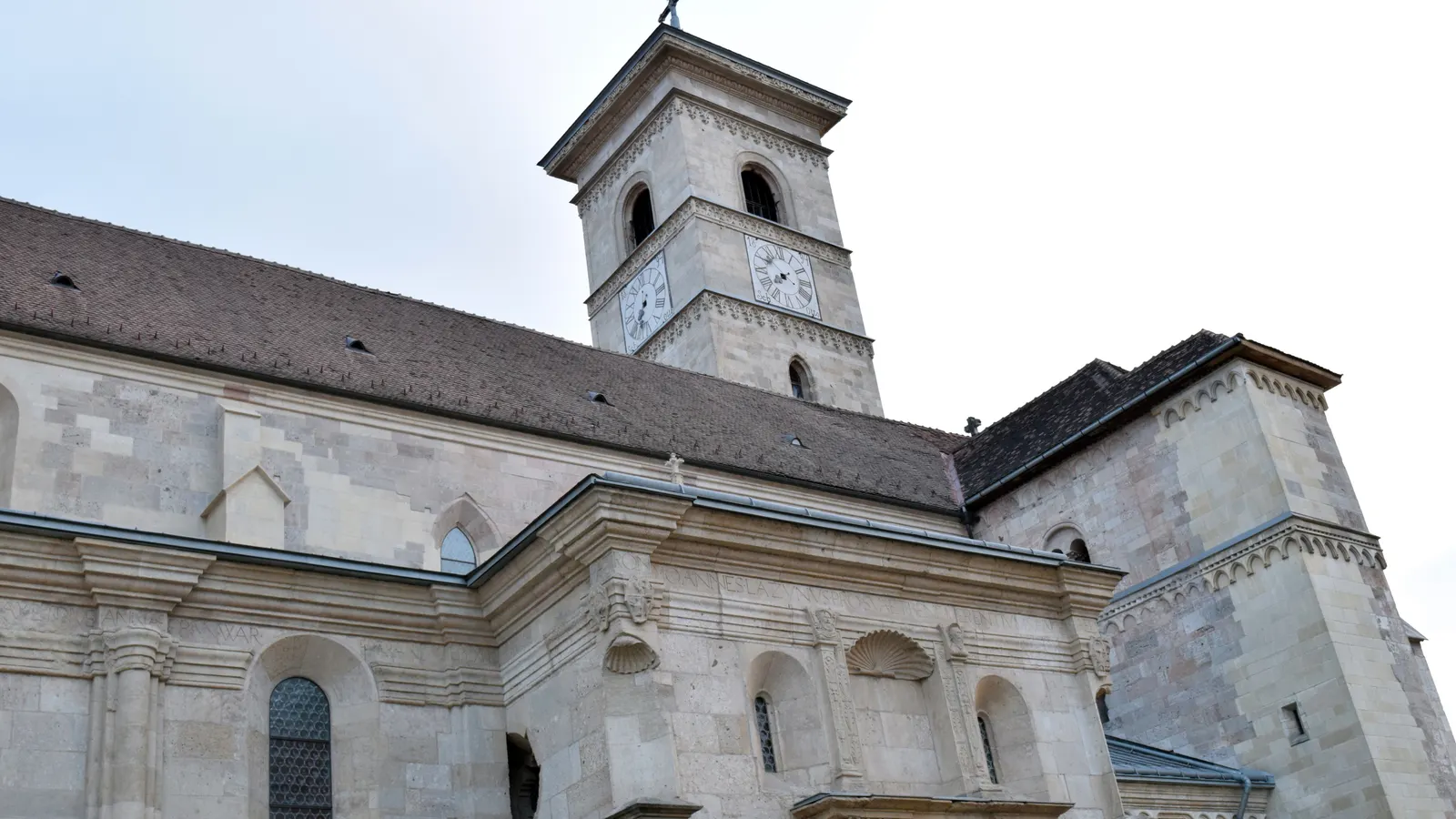 St. Michael's Cathedral Romania's oldest Catholic cathedral, where John Hunyadi lies, the Transylvanian commander who stopped the Ottomans at Belgrade.
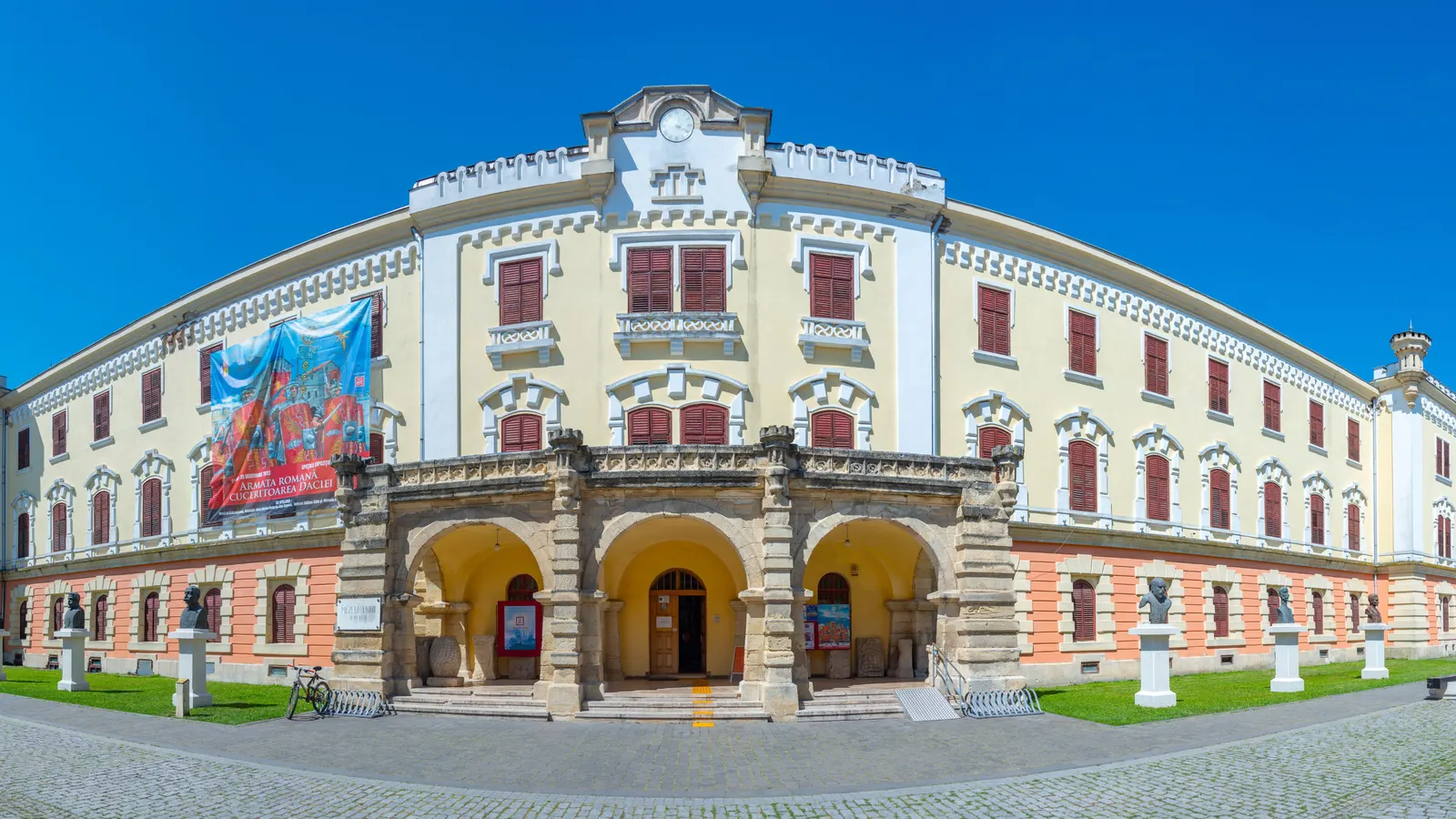 Museum of the Union The museum and hall where in 1918 the Romanians of Transylvania voted to join the Kingdom of Romania: the founding place of today's country.
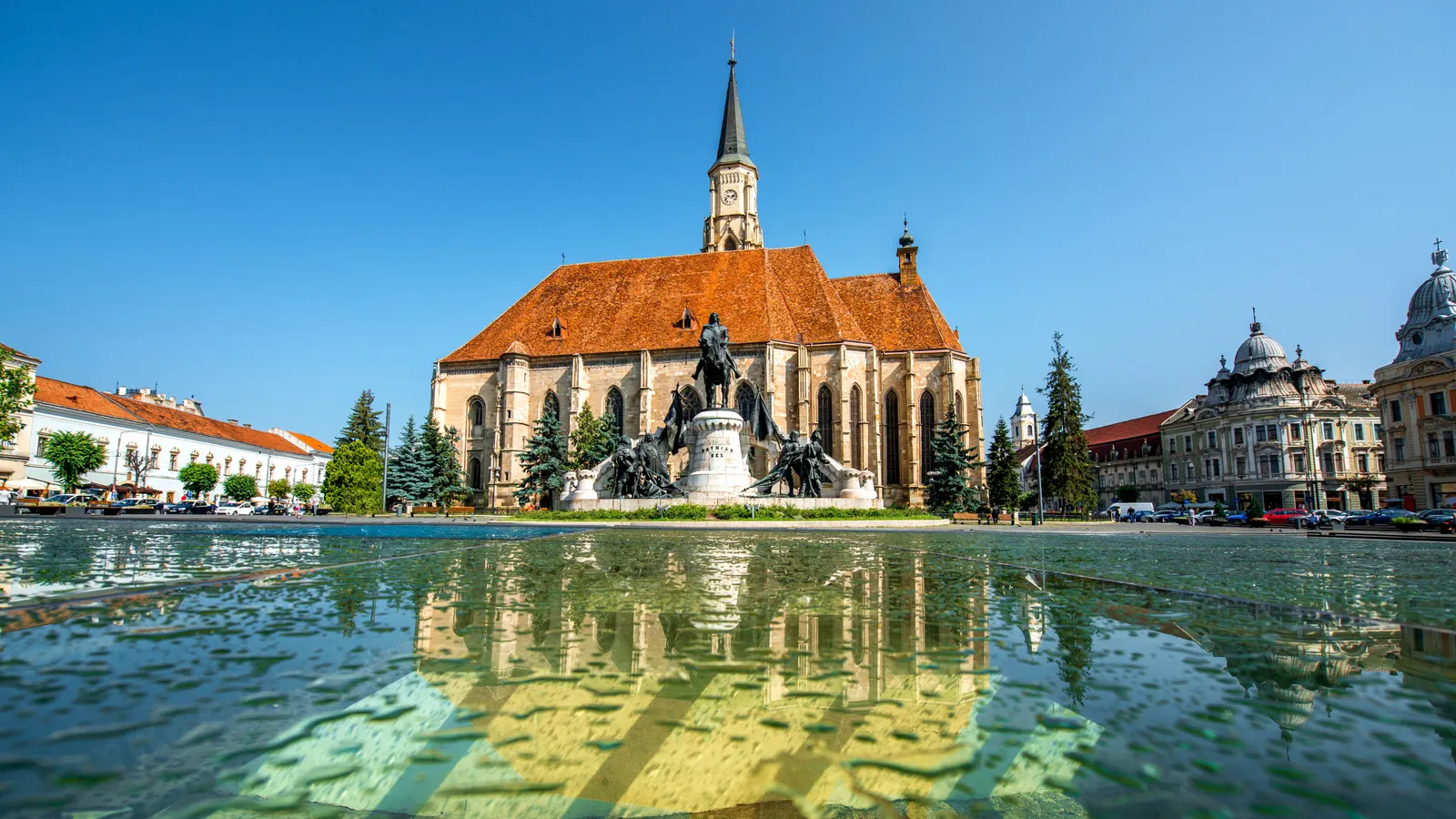 St. Michael's Church The great Gothic church of Kolozsvár, which changed confession with every religious upheaval in Transylvania and still presides over the main square.
 Piața Unirii Cluj's main square, where a Hungarian statue and a Romanian plaque sum up centuries of dispute over the same land.
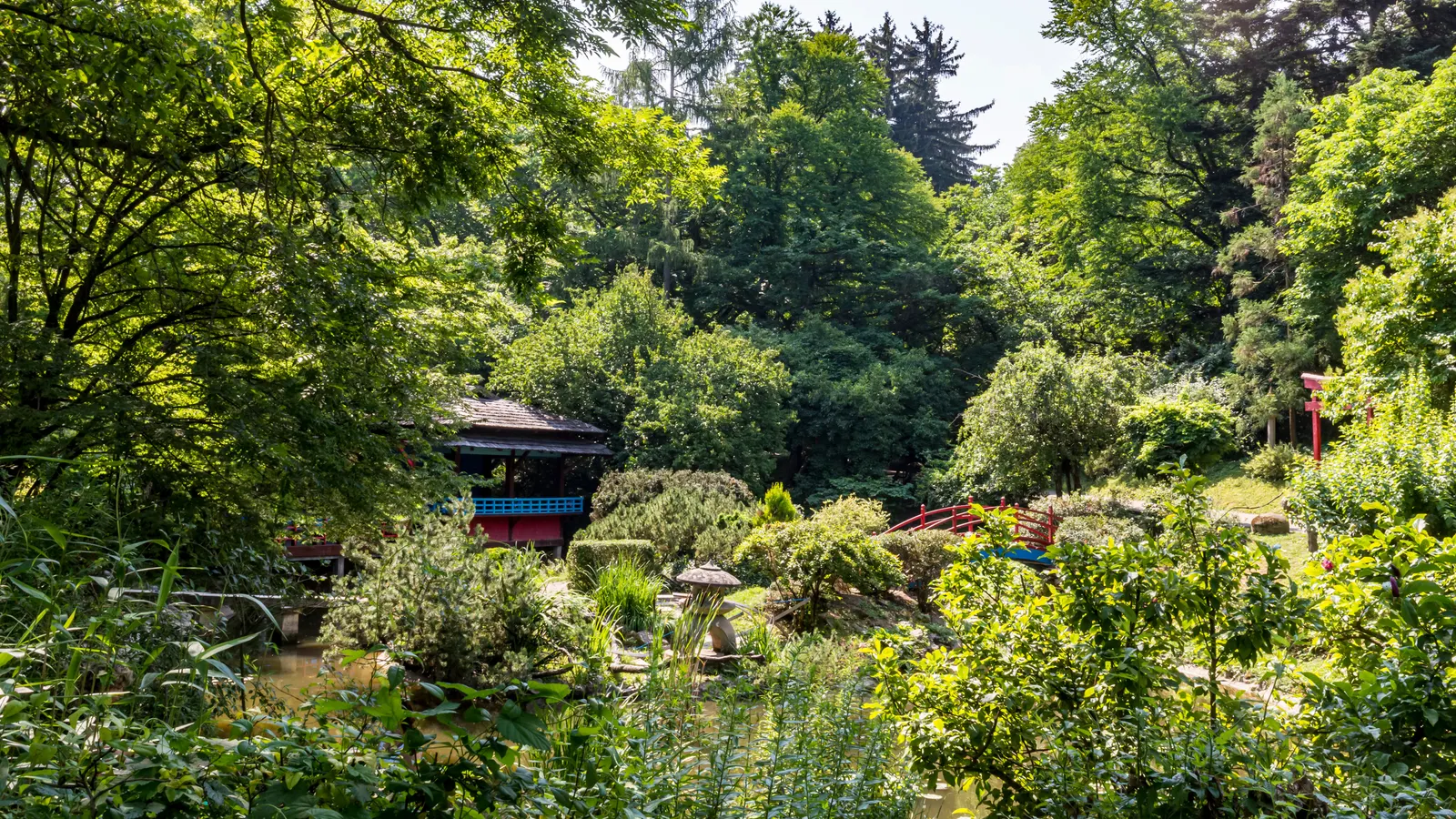 Botanical Garden One of the richest botanical gardens in south-eastern Europe, created by Cluj's university to study and teach the natural world.
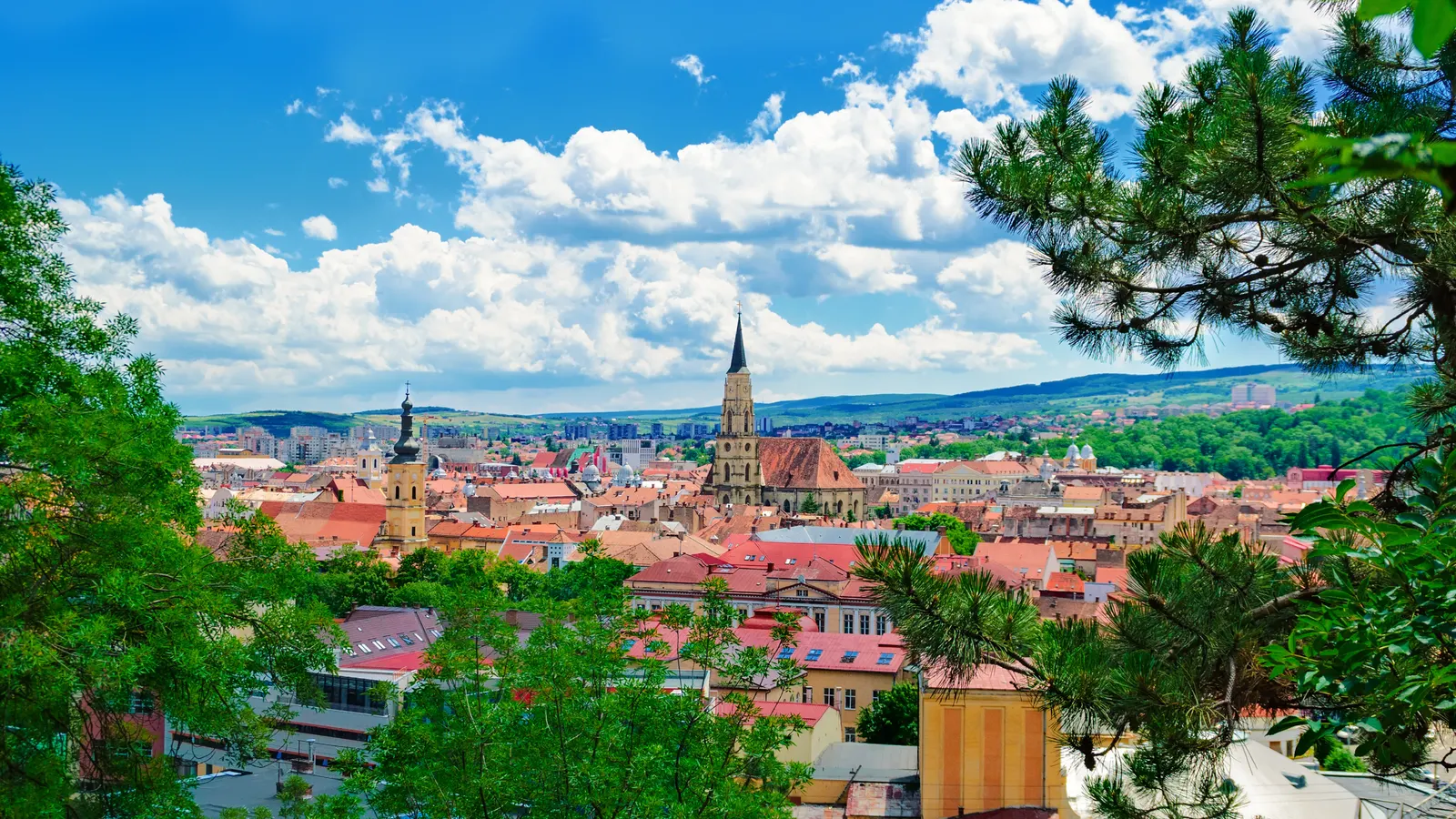 Cetățuia The hill where the Habsburgs built a fortress to keep watch over Cluj, now the viewpoint from which the city is best seen.
 UNESCO wooden churches Eight village churches raised by peasant carpenters, with spires that rival the Gothic towers of the cities.
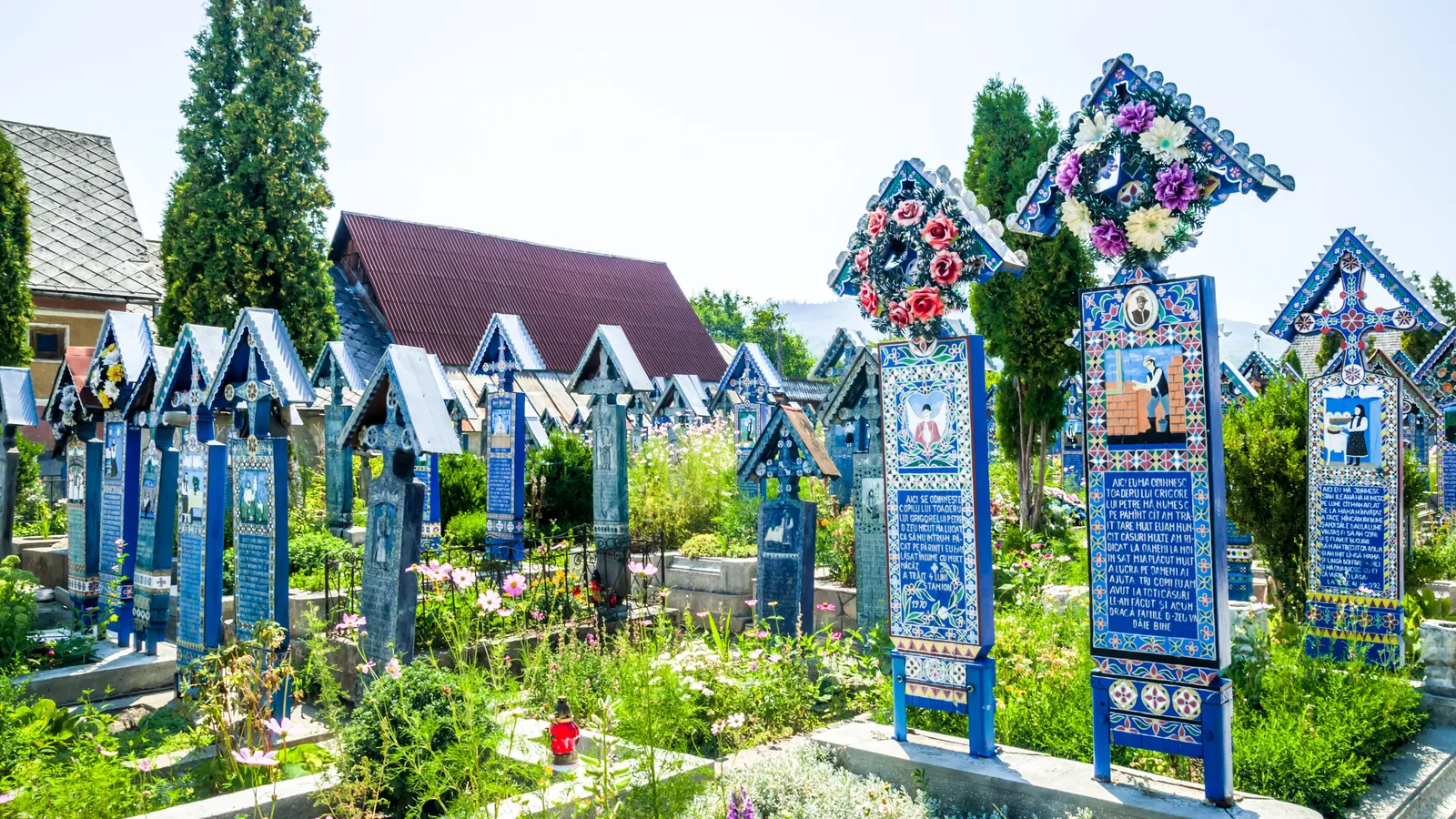 Merry Cemetery of Săpânța A village cemetery where every blue cross tells, with a picture and a few ironic lines, the life and death of the person buried beneath it.
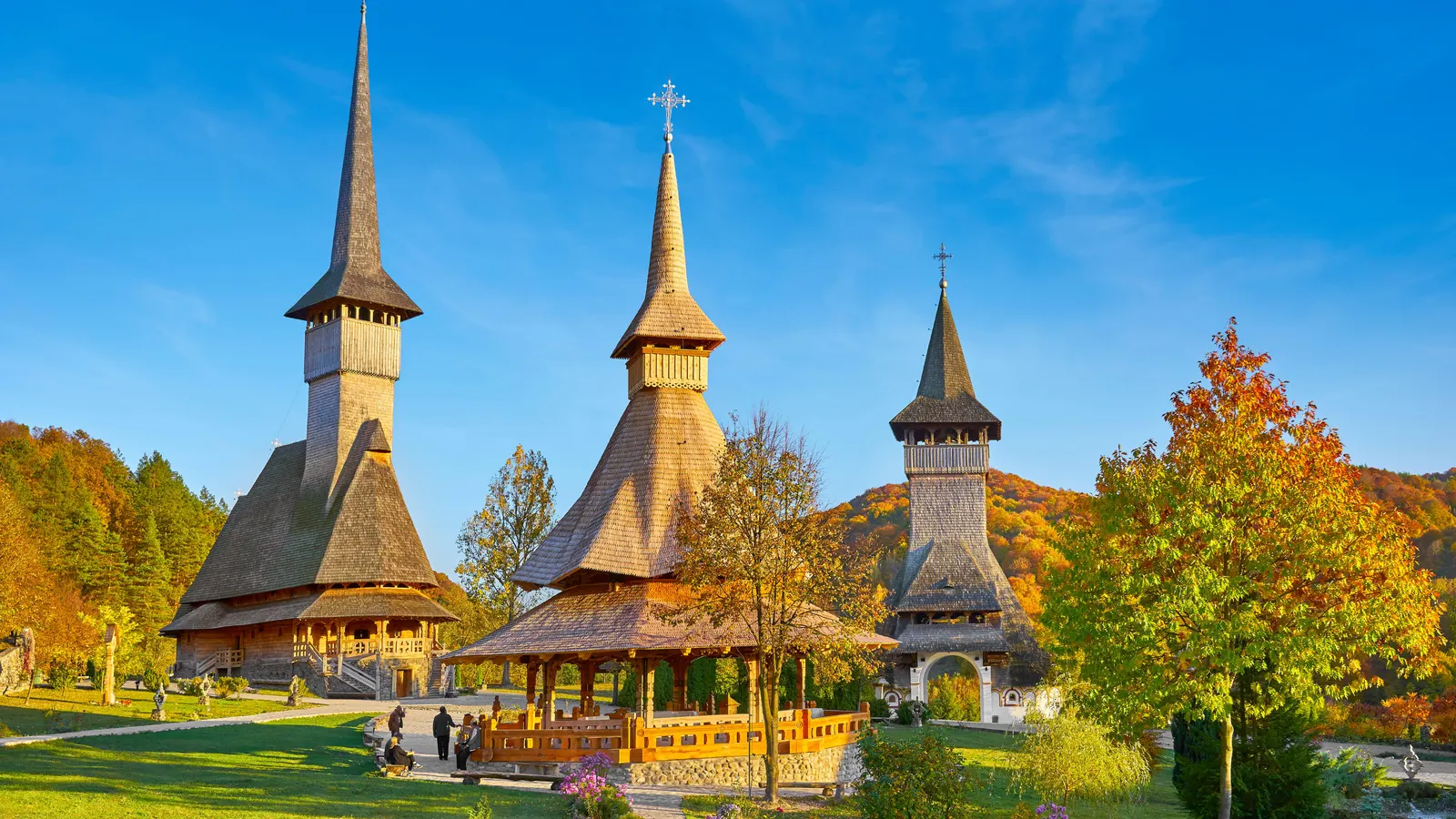 Bârsana Monastery A monastery built since the 1990s with the techniques of the old wooden churches, showing how a tradition reinvents itself.
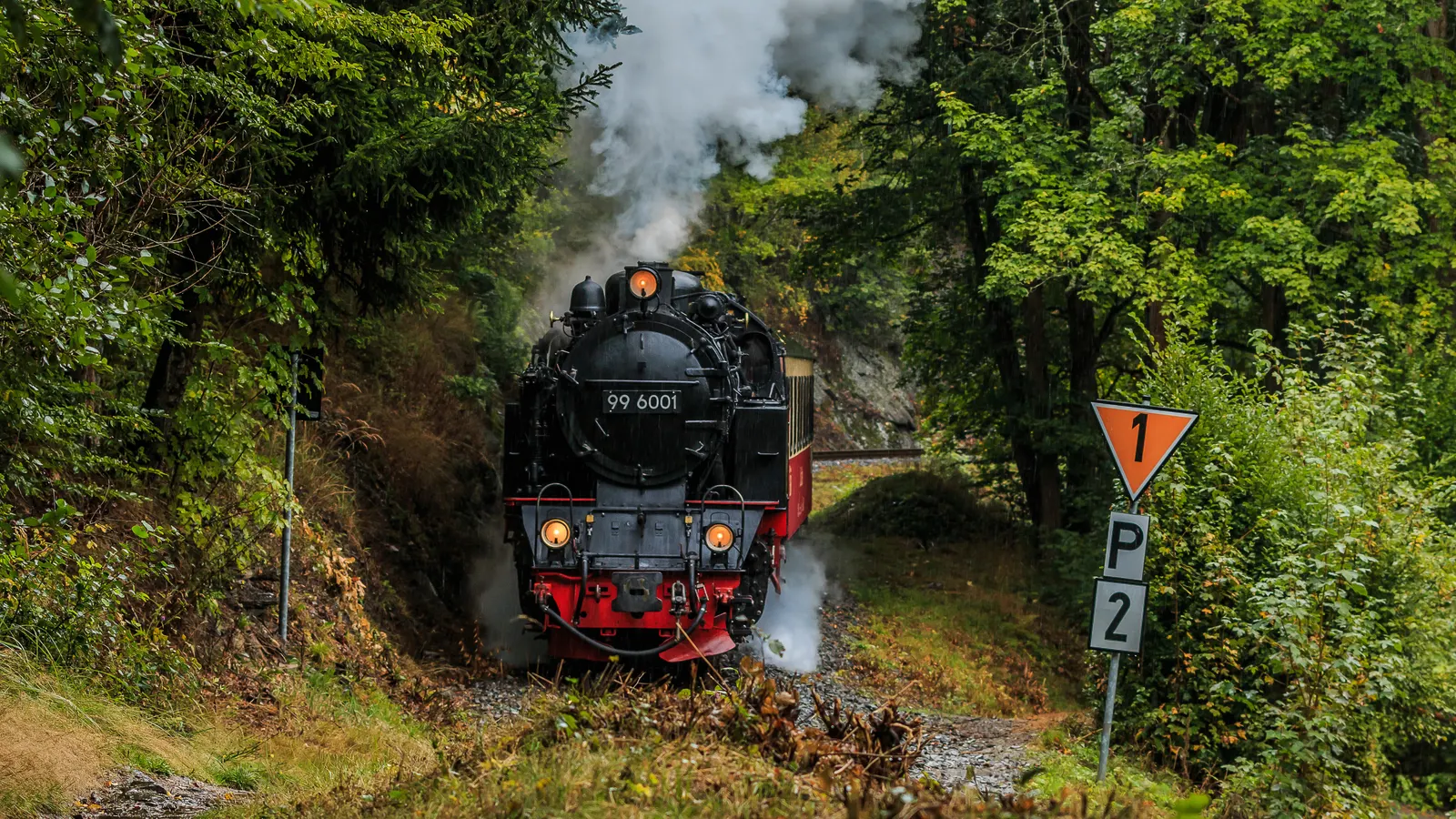 Vaser Valley Steam Train A steam forest train climbing a mountain valley with no roads, where timber is still carried as it was a century ago.
 Voroneț Monastery The church Stephen the Great raised after a victory, whose exterior frescoes, on a unique blue, turned the façade into a book.
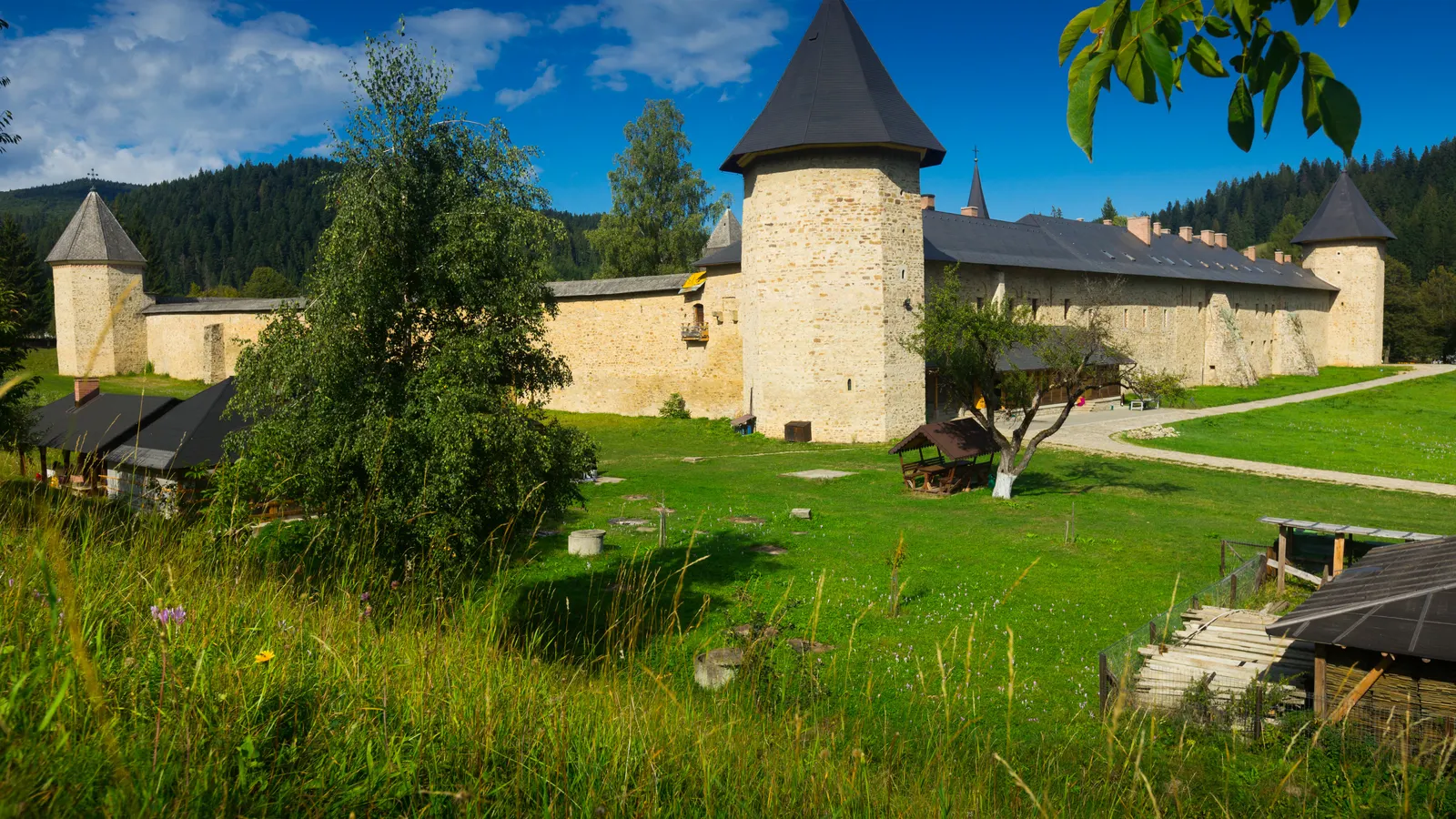 Sucevița Monastery The last and largest of the painted monasteries, a fortified enclosure where a ladder full of demons shows the way to heaven.
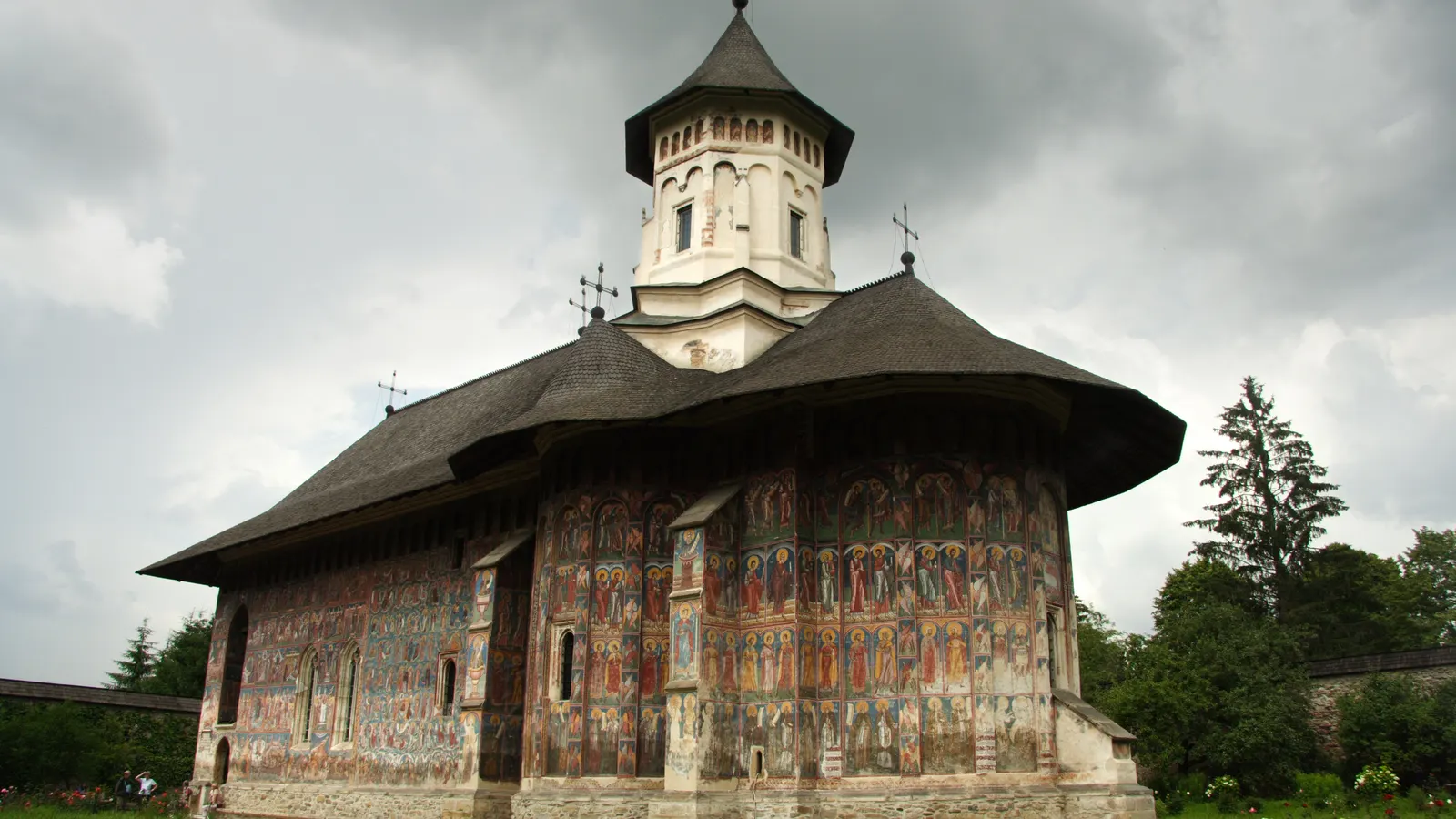 Moldovița Monastery A fortified monastery of Petru Rareș whose yellow walls show the siege of Constantinople as if it were a war of their own day.
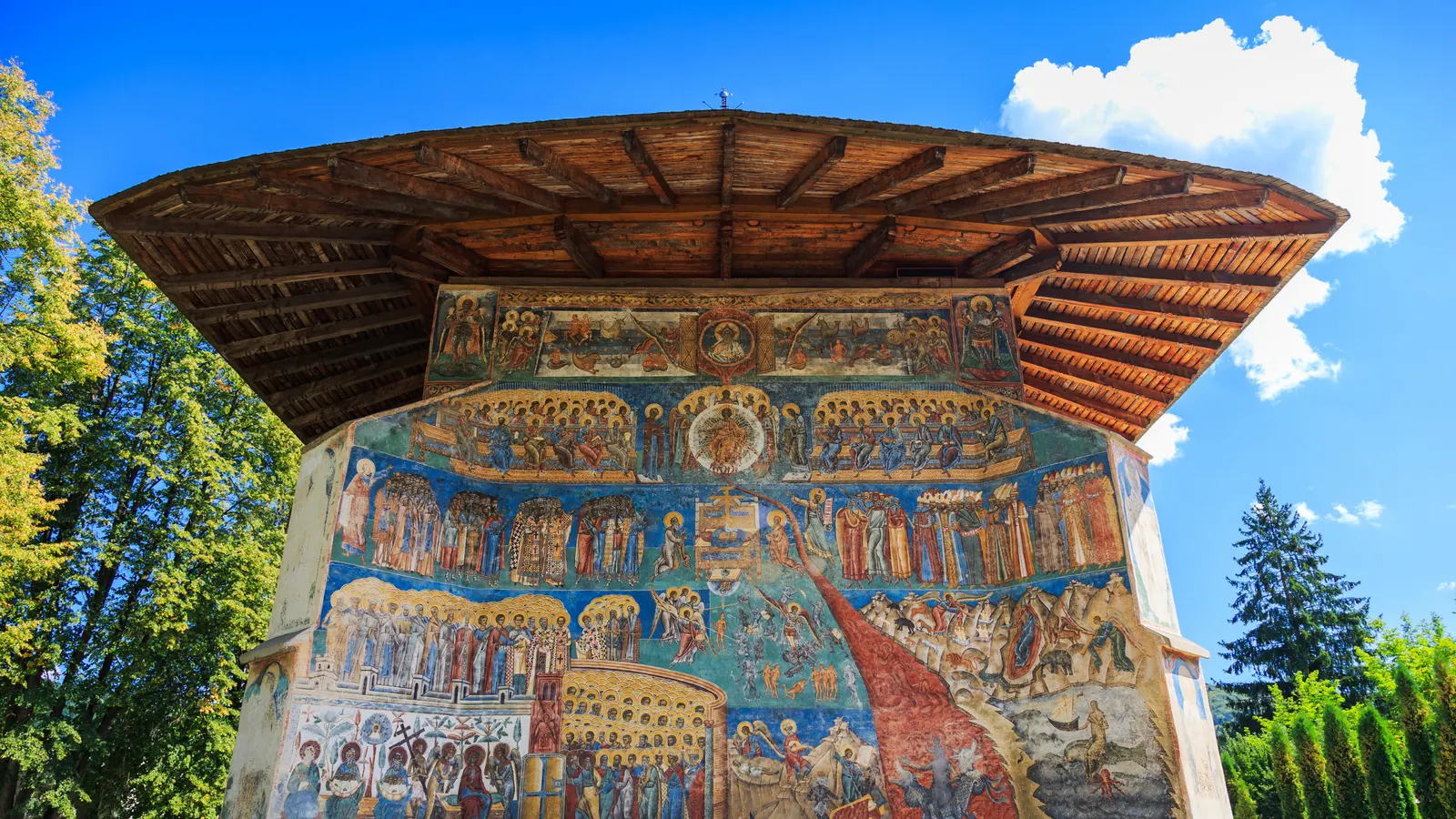 Humor Monastery The first of the great monasteries painted outside, small and secluded, dominated by an earthy red that changes with the light of day.
 Tulcea The port town where the Danube splits into branches and where any journey into the delta begins, by boat.
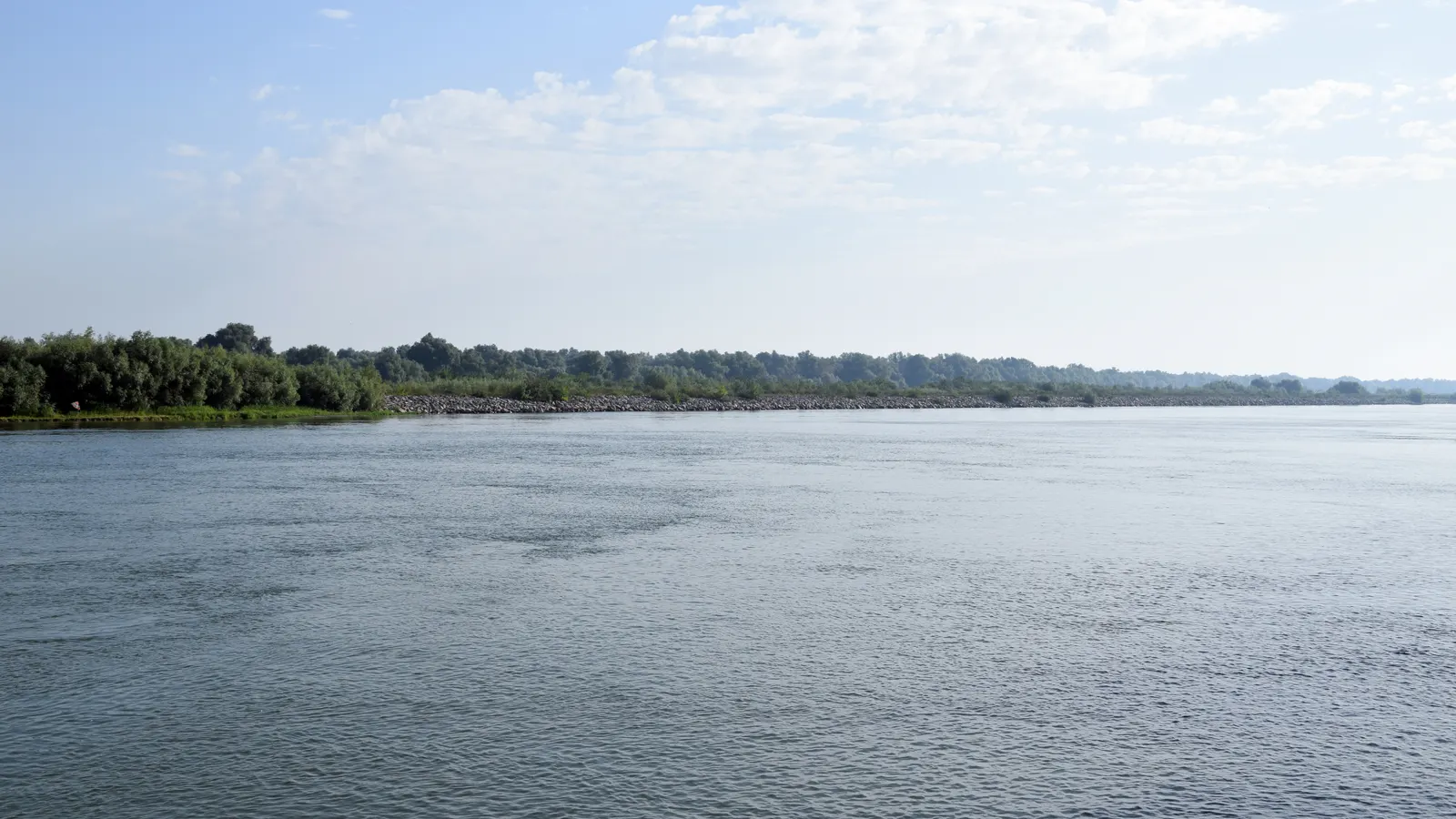 Sulina Channel The central branch of the Danube, straightened in the nineteenth century by an international commission so that ships from all over Europe could reach the sea.
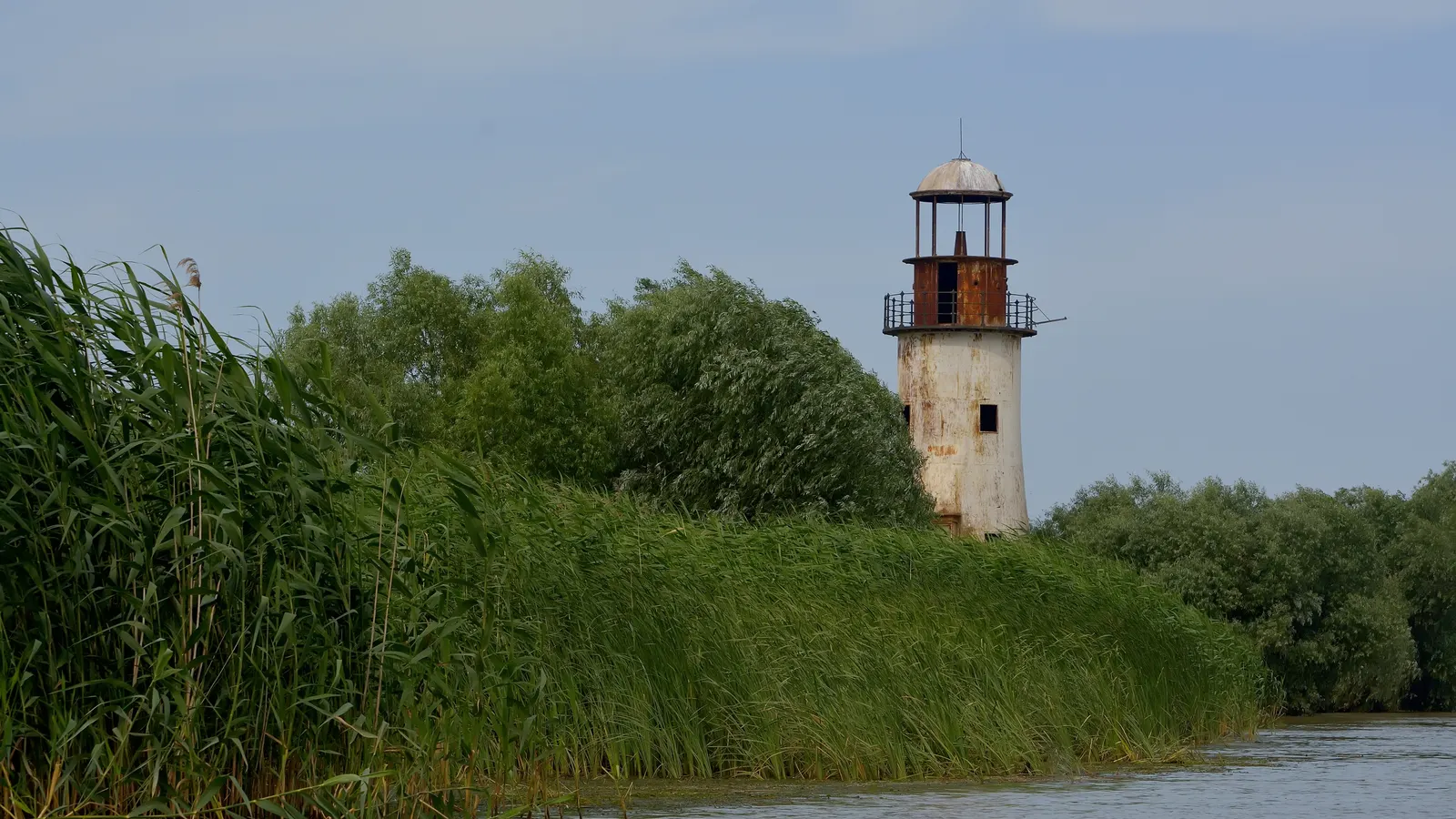 Sulina The former international port where the Danube ends, with a lighthouse, a cemetery of every flag and the air of a town that was once bigger.
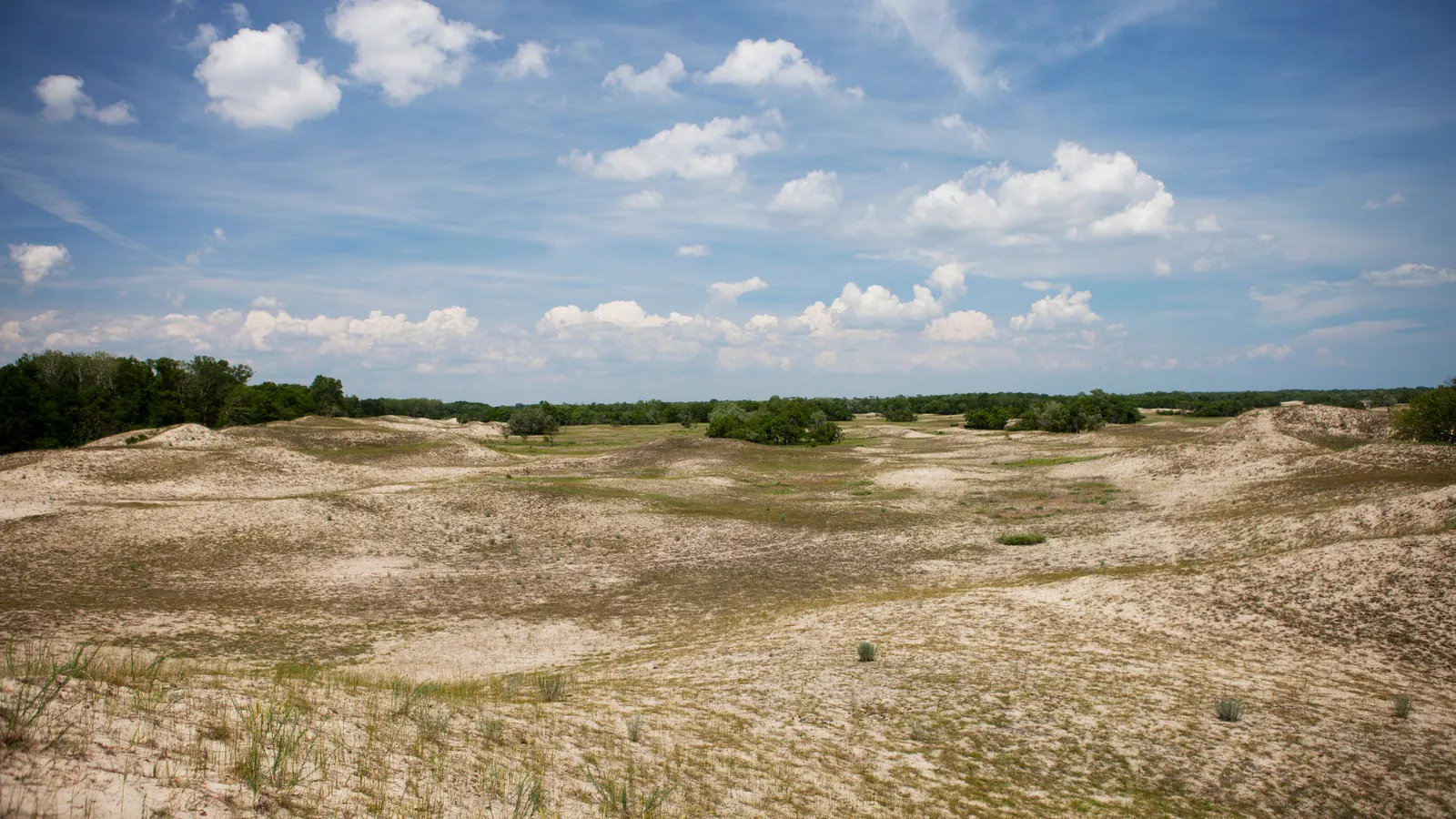 Letea An oak forest growing on sand dunes in the middle of the delta, with climbing vines, birds and horses that roam free.
YOUR ROMANIA PASSPORT
Every visited place earns 10 points: from the Romanian Athenaeum to the frescoes of Voroneț, the passport keeps your own route through the country.
Progress is saved on this device and updates throughout the guide.
Free sample · Bucovina
The last and largest of the painted monasteries, a fortified enclosure where a ladder full of demons shows the way to heaven.
Sucevița is the latest and most monumental of the painted monasteries. Its church, enclosed by high walls with towers, looks like a small fortified town in a green valley. Its frescoes, dominated by greens, are among the best preserved in Bucovina, and on one of its walls is one of the most memorable images of the whole cycle.
The monastery was founded in the late sixteenth century by the Movilă family, a great boyar family that gave Moldavia several princes and metropolitans. They conceived it as a place of worship, a family burial place and a fortress all at once. That is why the walls are so solid: in a region exposed to raids, the monastery had to withstand an attack.
The frescoes were painted at the end of the sixteenth century. They are the last of the cycle of exterior painting that had begun half a century earlier with the monasteries of Petru Rareș. Afterwards, the custom of painting façades died out. Sucevița is, in a sense, both the culmination and the end of that tradition.
On the north wall, find the Ladder of Virtues. It is a great sloping ladder climbing to heaven, with dozens of rungs, one for each virtue. Monks climb it, helped by angels on one side, while demons try to drag them into the abyss from the other. Those who fall plunge towards the mouth of hell. It is a scene full of movement and of an almost narrative clarity.
Walk round the church to see the rest of the programme: the Tree of Jesse, the procession of saints and ancient philosophers, the Old Testament scenes. Notice the green tone that sets Sucevița apart from the other monasteries. And do not forget the enclosure: the walls, corner towers and gateway that give it the character of a fortress.
In several Bucovina monasteries, alongside prophets and saints, appear philosophers and sages of antiquity such as Plato or Aristotle, presented as heralds of Christian truth. It is a theme of the Byzantine tradition showing that ancient culture was not regarded as the enemy of faith.
Sucevița lies in an open valley in the north of the region. Go first thing or late in the afternoon; the north wall, with the Ladder of Virtues, is best seen in soft light. It is a working convent: dress respectfully.
If you follow the classic route from Gura Humorului, the road from Moldovița to Sucevița crosses a beautiful mountain pass. From here, Putna Monastery, the burial place of Stephen the Great, is a short way north.

Who writes it
Plans
No surprise subscriptions. No fine print. One payment, permanent access.
€14.99one-time payment
€30one-time purchase
Not sure yet? Explore free → · Secure payment with Stripe · Instant access
No. Romania is a member of the EU. Citizens of the EU, UK, US and many others can enter visa-free. Since March 2024 it is part of Schengen for air and sea entries.
Yes. Bucharest is 3h by train from Sofia, Cluj connects to Hungary via Oradea, and the north links with Moldova.
Minimum 8-10 days for Transylvania and Bucharest. 14-16 days if you add Maramureș, Bucovina and the Danube Delta.
Yes. The guide covers practical specifics: driving in the Carpathians, bears in Transylvania (real, not a cliché), and how to handle Bucharest taxis without getting scammed.
Yes. The online edition reflects the latest published version. Content updates are included for 1 year from the date of purchase.
Access to your purchased edition is indefinite. Content updates are included for 1 year from the date of purchase.
Yes. From inside the guide, you can download a complete copy with its images for offline use. Interactive maps require a connection. When you are back online, you can update the downloaded copy if a new edition is available.
No passwords needed. Go to /en/access, enter the email you used to purchase and we'll send you an instant access link. Works on any device.
Yes. The guide is available in both Spanish and English. You can switch languages at any time from the navigation menu.
It's designed mobile-first. You can install it as an app (PWA) on iOS and Android without going through any app store.
It's not a PDF. It's an interactive website, organised by destination and attraction — not by day. Read it in any order and jump directly to whatever interests you.
One-time payment · Instant access