





Guide to Greece · Mediterranean · Classical Greece
Greece. Understood.
Beyond the ruins: history, islands, and real travel decisions
The most complete guide to travelling Greece independently. Interactive maps & itineraries. Always the latest published version. One year of content updates included. No agencies, no pre-built itineraries.
 Far Guides · By Alex Tomboix
 The guide
The Greece guide Beyond the ruins.
Greece is not only the cradle of the West. It is also a modern nation the cliché has flattened into a postcard.
This Greece guide explains how to read the Acropolis without textbooks, which ferries to take between islands without overpaying, why Crete is not an island but a country of its own, and how people actually live today in Thessaloniki or Milos — without relying on tours.
12
Full destinations
Mainland and islands
4
Day-by-day itineraries
From 7 to 21 days
10
History chapters
From the Minoans to the crisis
51
Points on the map
Interactive, filterable
Destinations included
Twelve destinations,
one sea.
From the Acropolis to the white Cyclades. Each place with its own chapter.
01 · Classical capital
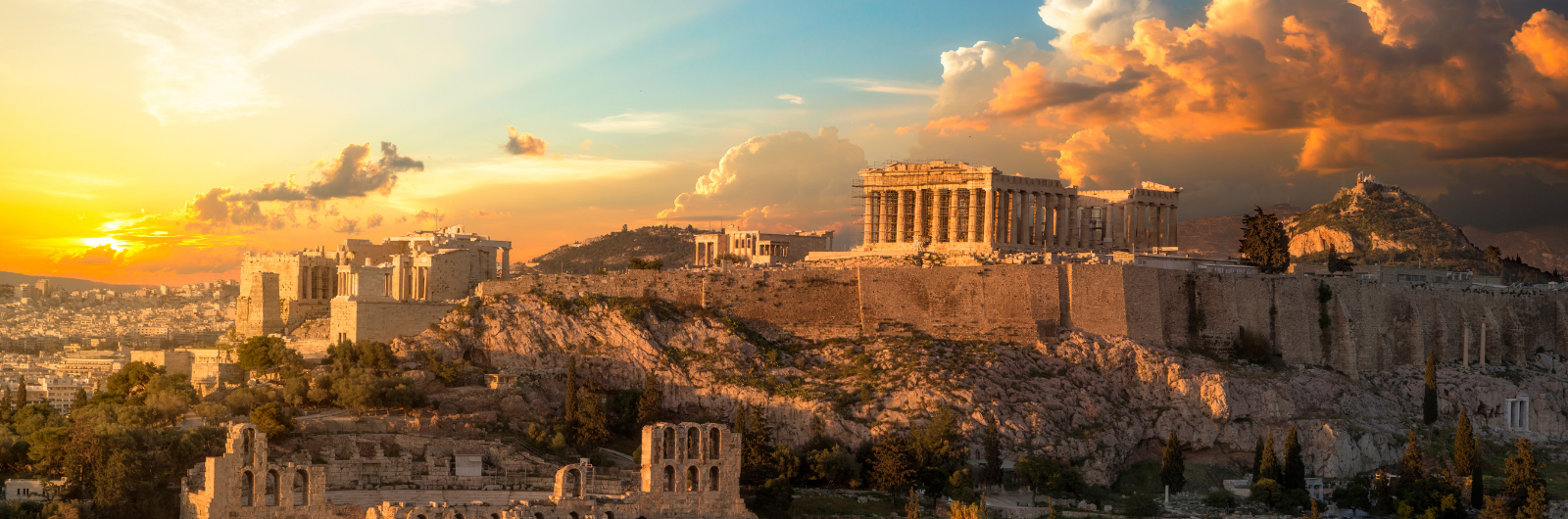
Athens
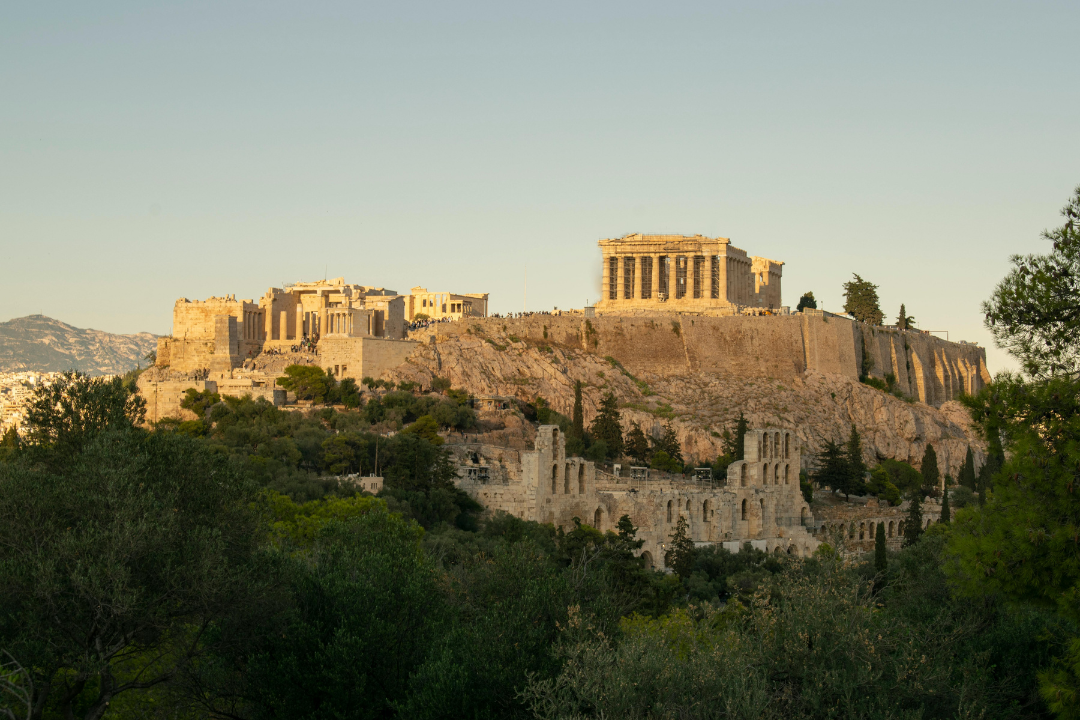
The Acropolis, Plaka, and the ancient city
Read the chapter →
02
Thessaloniki
The second capital — Byzantine and maritime

03
Meteora
Monasteries suspended on the rocks
04
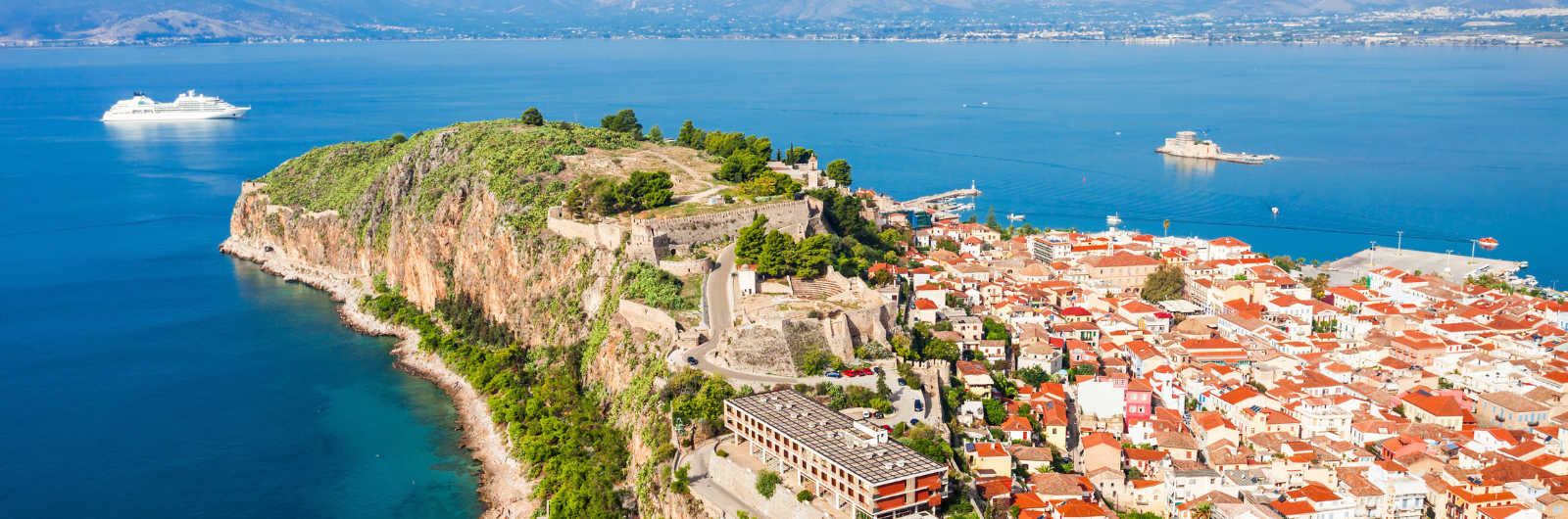
Peloponnese
Olympia, Epidaurus and the deep Mani
05
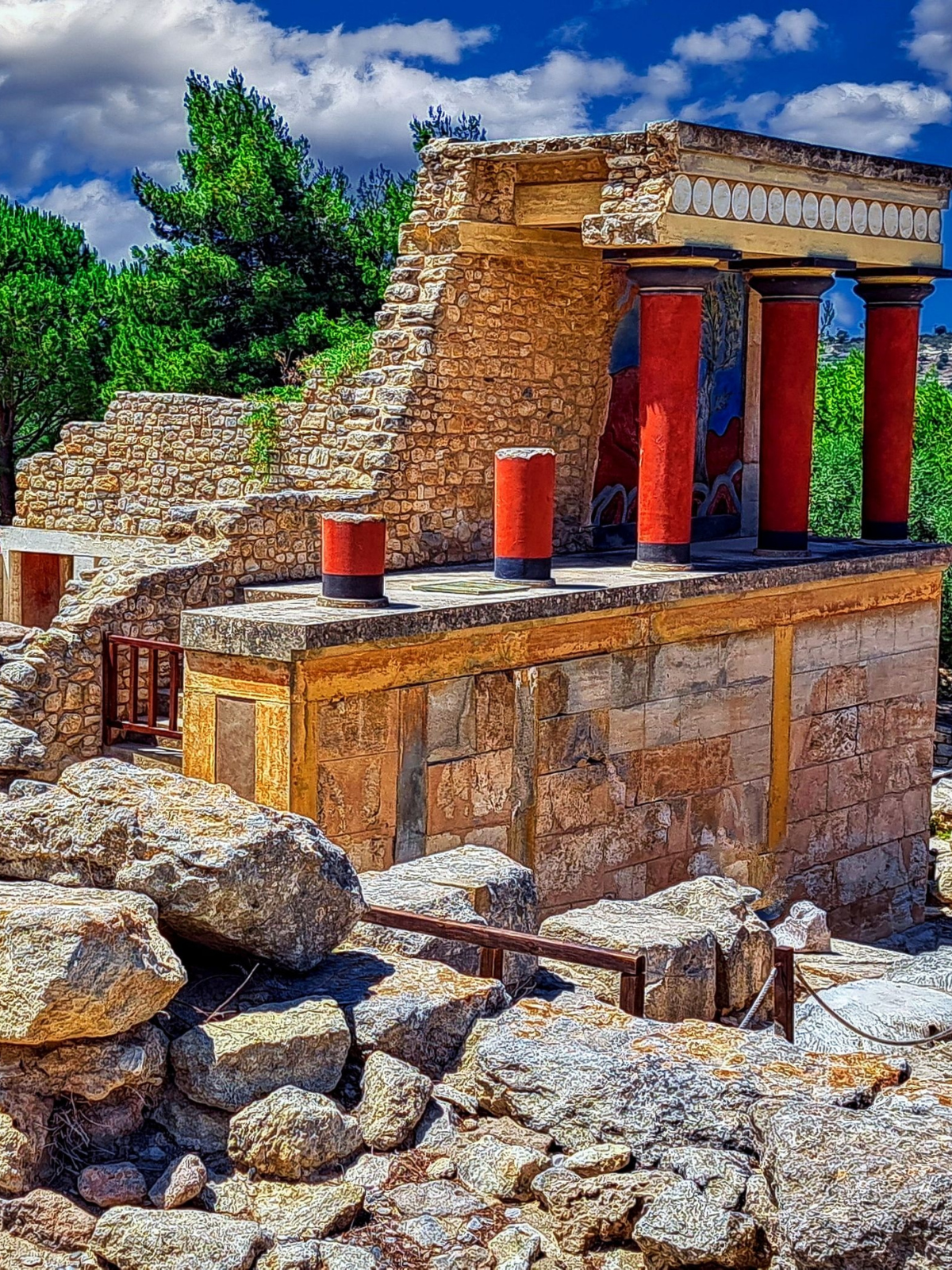
Crete
Minoans, gorges and wild coast
06
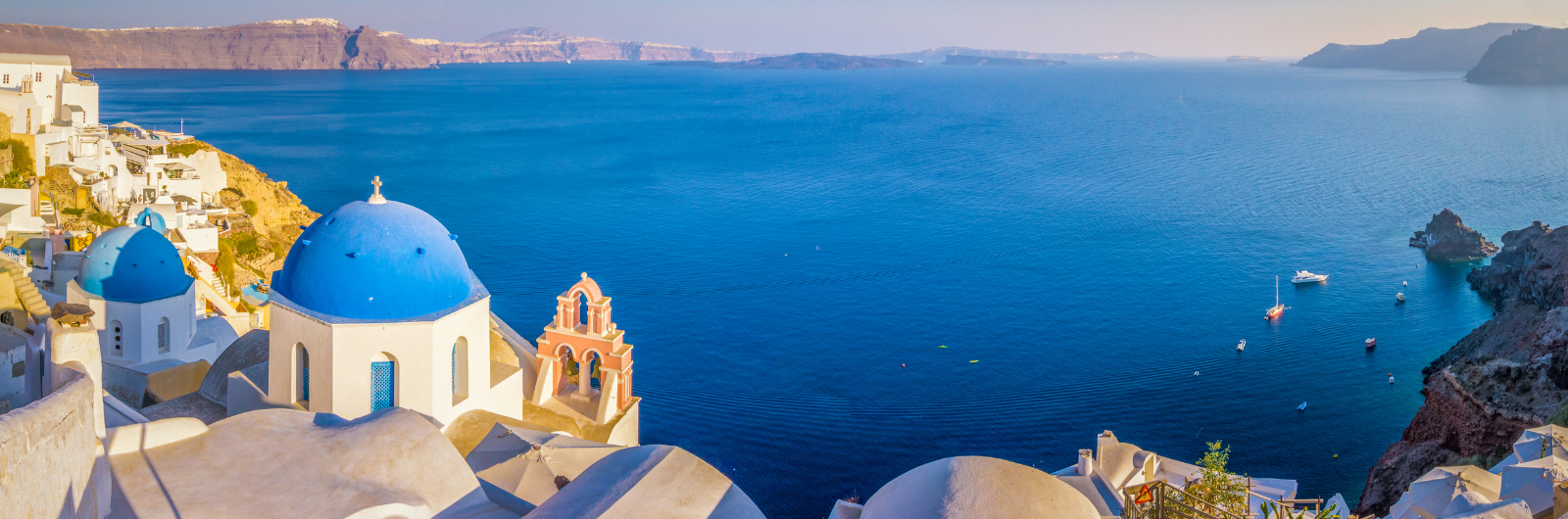
Santorini
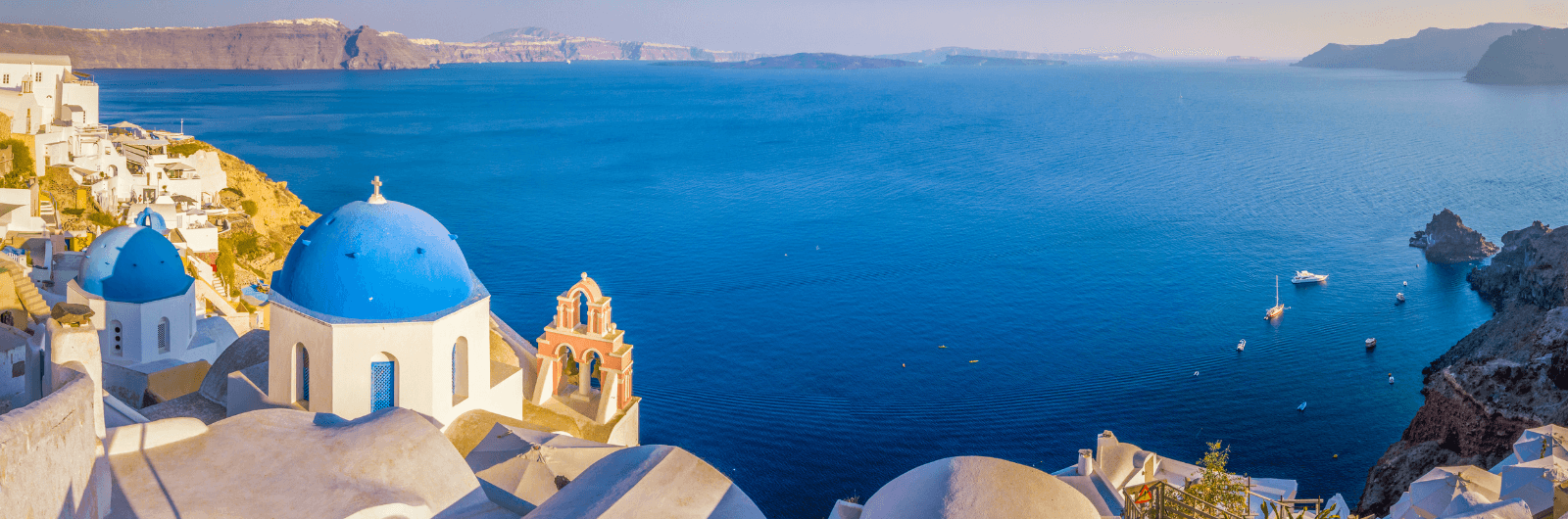
The volcanic caldera and its white villages
07
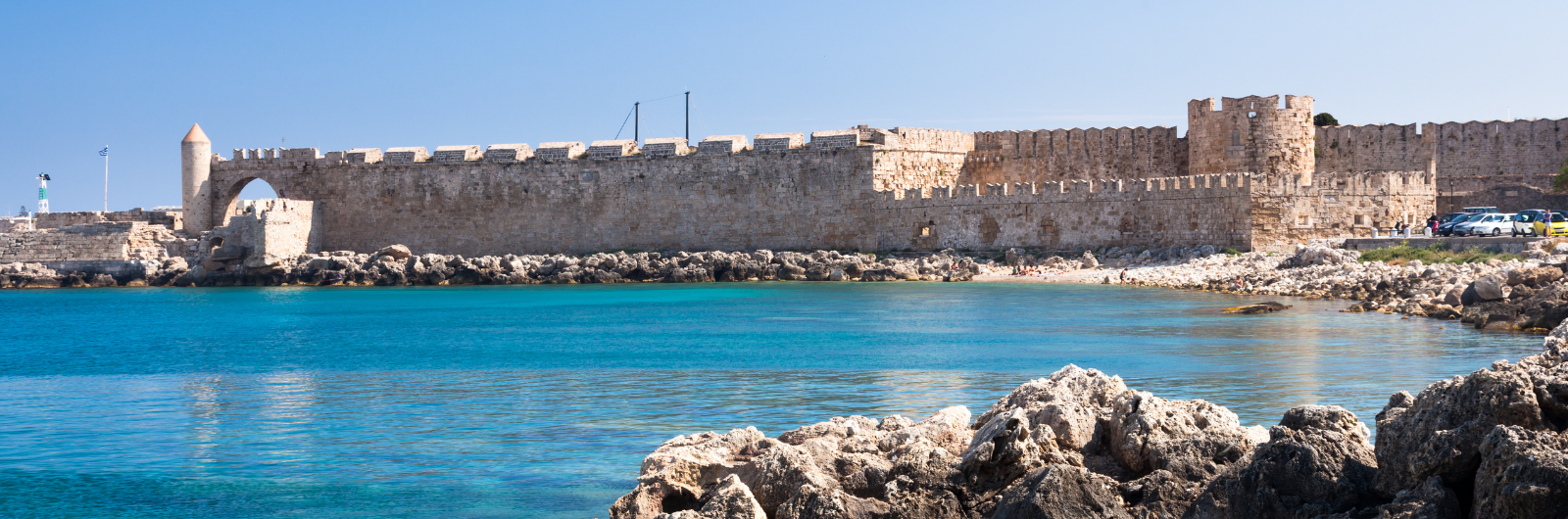
Rhodes
The medieval city of the Hospitallers
08
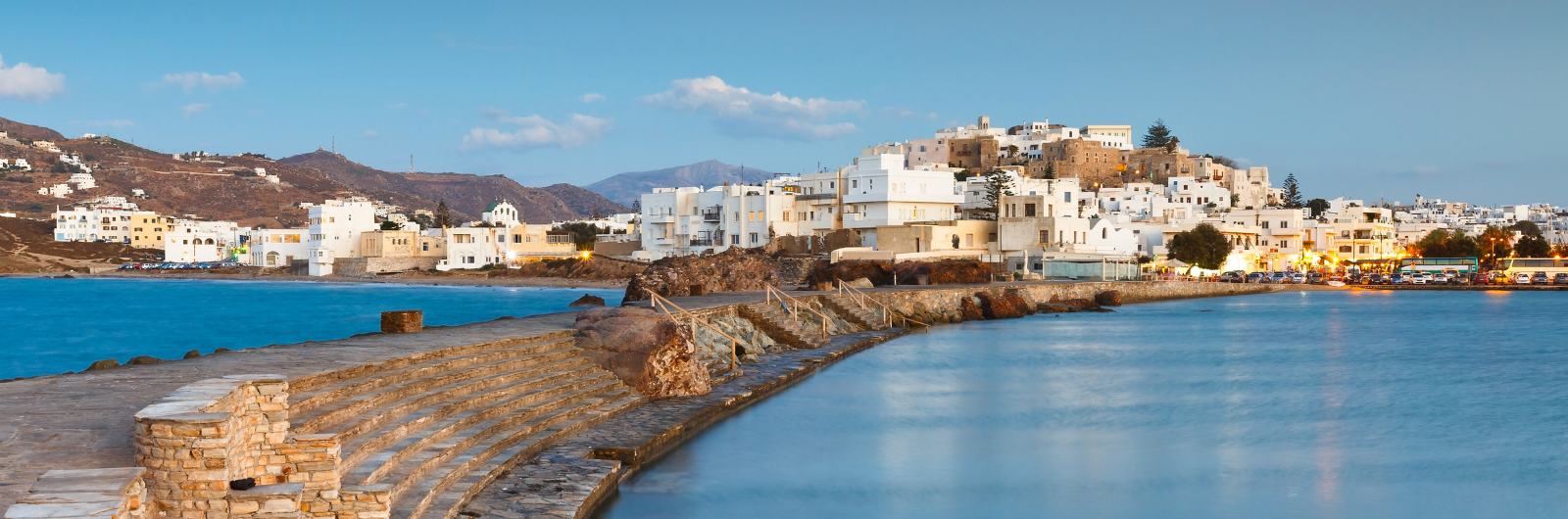
Naxos
The most lived-in of the Cyclades
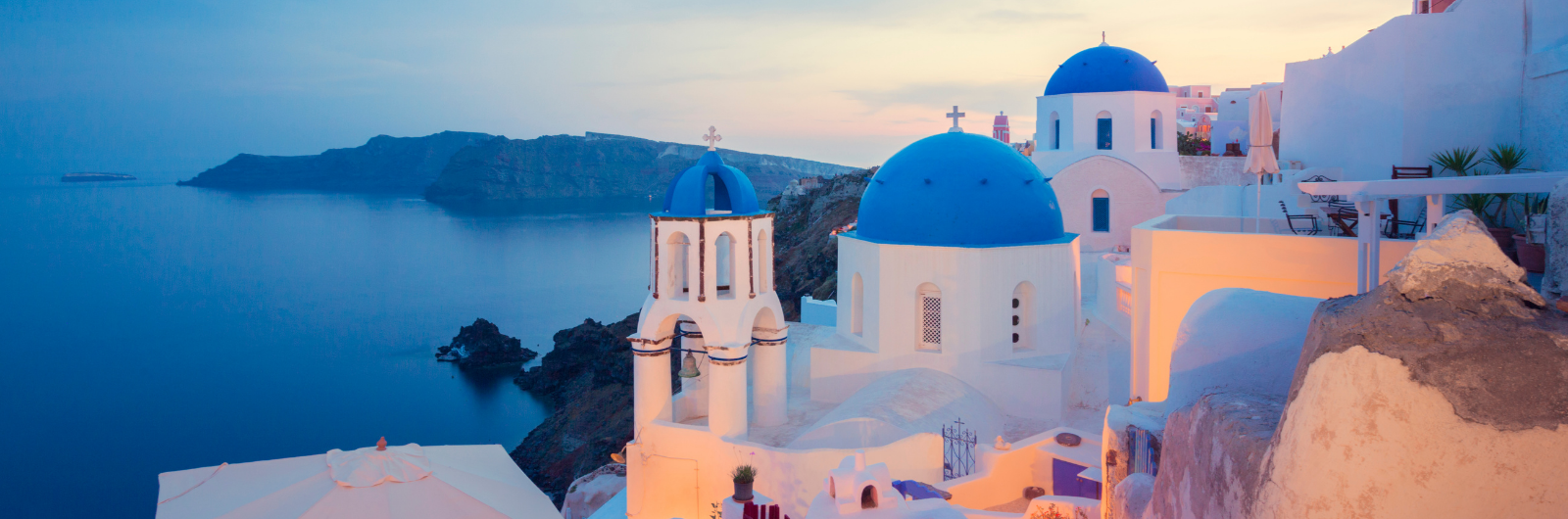
09
Paros
Small ports and ancient marble
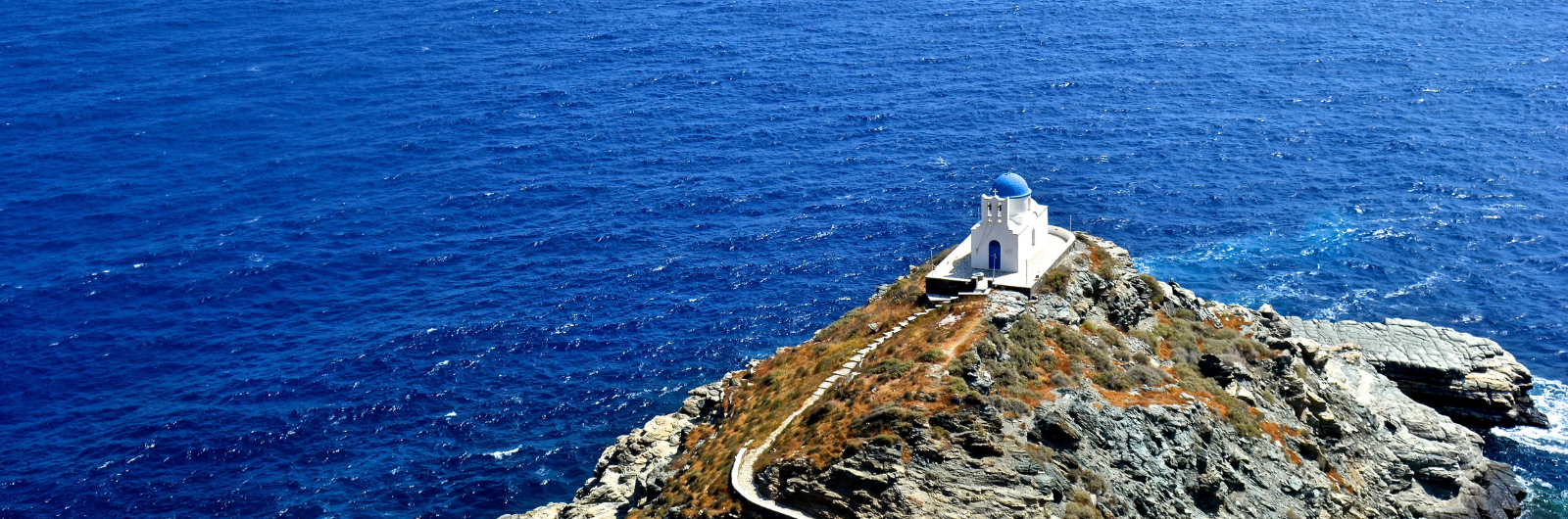
10
Sifnos
Food and Cycladic walking trails
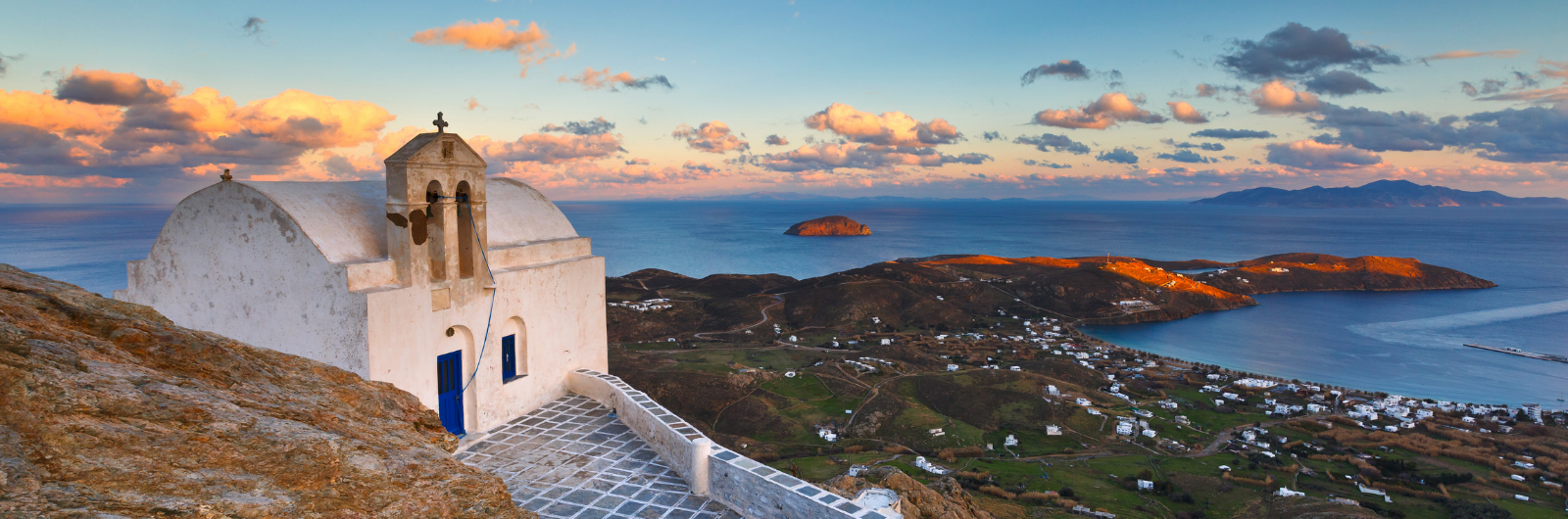
11
Serifos
The wildest, emptiest Cycladic island
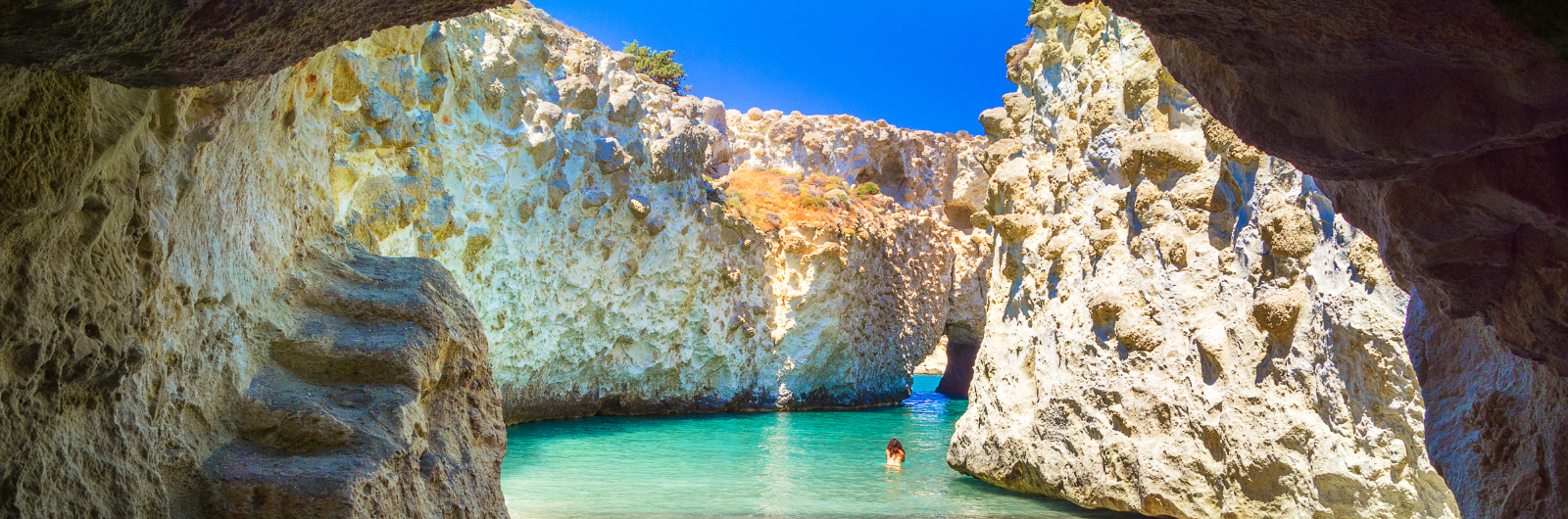
12
Milos
Volcanic coast and otherworldly coves
Sample
A fragment,
the Acropolis at dawn.
Chapter · Athens
The Acropolis, explained
The Acropolis is not a ruin: it is the political manifesto of a city that invented democracy.
Built in the 5th century BC under Pericles, the complex brings together four monuments — Parthenon, Erechtheion, Propylaea, and the temple of Athena Nike — designed as a declaration of power and culture after the Persian wars.
To read the Acropolis today is to understand how a polis of 40,000 citizens turned the stone of Mount Pentelikon into the architecture the world is still copying 2,500 years later.
Traveler tip
Enter through the south gate at opening (8:00). The loop takes 90 min. Walk down through Plaka and have breakfast there. You will have seen the Acropolis empty for a full hour.
The method
A different kind of guide
Built for the real traveller, not the tourist
Interactive maps & itineraries
Explore points of interest by category and plan your route day by day.
Latest online, downloadable for your trip
Use the guide online and download its essential content, with images, for when you travel without a connection. Maps still need internet.
1 year of updates included
Prices, opening hours and recommendations updated for 1 year. You're not buying a static PDF.
Signed by a historian
Alex Tomboix brings together research, fieldwork and professional experience so you understand the place and know how to move through it.
Plans
Choose your plan
No surprise subscriptions. No fine print. One payment, permanent access.
Greece Guide
€14.99
one-time payment
What you unlock today
- ✓ Full Greece guide
- ✓ Indefinite access to your purchased edition
- ✓ Complete download without maps
- ✓ Interactive maps & itineraries
- ✓ 1-year updates
- ✓ ES + EN
Full access
€30
one-time purchase
- · All current guides
- · New destinations included
- · Permanent access, no subscriptions
- · Interactive maps & itineraries
- · Complete download without maps
- · One year of content updates
Secure payment with Stripe · Instant access
FAQ
Frequently asked questions
Which Greek island should I pick? +
Depends on what you want: Santorini for volcanic landscapes, Crete for history and nature, Naxos for quiet beaches, Milos for wild coastline. The guide compares all of them in detail.
How do I move between islands? +
By ferry. There are frequent routes between the main islands. The guide includes companies, approximate schedules, prices and how to plan island-hopping without an agency.
When is the best time to visit Greece? +
May–June and September–October: great weather, fewer tourists, reasonable prices. July–August is high season with inflated prices. The guide breaks it down month by month.
Does the guide stay up to date? +
Yes. The online edition reflects the latest published version. Content updates are included for 1 year from the date of purchase.
How long do I have access? +
Access to your purchased edition is indefinite. Content updates are included for 1 year from the date of purchase.
Can I use it offline? +
Yes. From inside the guide, you can download a complete copy with its images for offline use. Interactive maps require a connection. When you are back online, you can update the downloaded copy if a new edition is available.
How do I access from a new device? +
No passwords needed. Go to /en/access, enter the email you used to purchase and we'll send you an instant access link. Works on any device.
Is there a Spanish version? +
Yes. The guide is available in both Spanish and English. You can switch languages at any time from the navigation menu.
Does it work on mobile? +
It's designed mobile-first. You can install it as an app (PWA) on iOS and Android without going through any app store.
What format is the guide? +
It's not a PDF. It's an interactive website, organised by destination and attraction — not by day. Read it in any order and jump directly to whatever interests you.
Ready for
Greece?
Join the travelers who have already discovered it with the guide
Instant access · Always the latest published version · 1 year of updates
One-time payment · Instant access