
Guide to Bulgaria · Balkans · Orthodoxy
Bulgaria. In layers.
Orthodox monasteries, Thracian fire and the oldest mountains in Europe
The most complete guide to travelling Bulgaria independently. Sofia, Plovdiv, Veliko Tarnovo, Rila Monastery, the Black Sea coast and the Rhodopes. Living rituals: the nestinari fire-walkers, the kukeri masks and the valley of roses. Interactive maps & itineraries. Always the latest published version. One year of content updates included.
 Far Guides · By Alex Tomboix
 The guide
The Bulgaria guide Thrace, Byzantium, Ottomans, USSR.
Bulgaria is a living stratigraphy: each cultural layer sits on top of the previous one, without fully covering it.
This Bulgaria guide explains what the Thracians left in the Rhodopes, why Orthodox monasteries were the ark of the Bulgarian language through 500 Ottoman years, what kukeri and nestinari are, and how to move through a country where Cyrillic still confuses travelers.
9
Destinations and routes
From Sofia to the Black Sea
3
Day-by-day itineraries
From 7 to 14 days
10
History chapters
From the Thracians to the EU
32
Points on the map
Interactive, filterable
Destinations included
Nine chapters,
one stratified country.
From the three cities to the living festivals. Each place with its own chapter.
01 · Capital
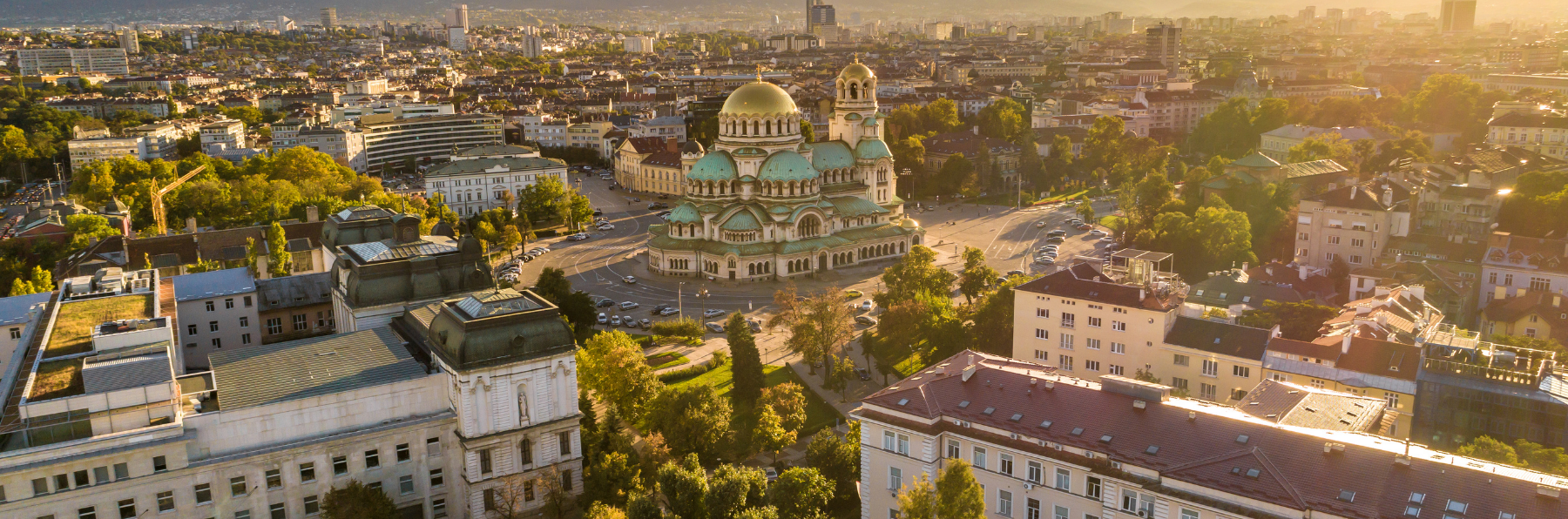
Sofia
Roman, Byzantine, Ottoman and socialist in 2 km²
Read the chapter →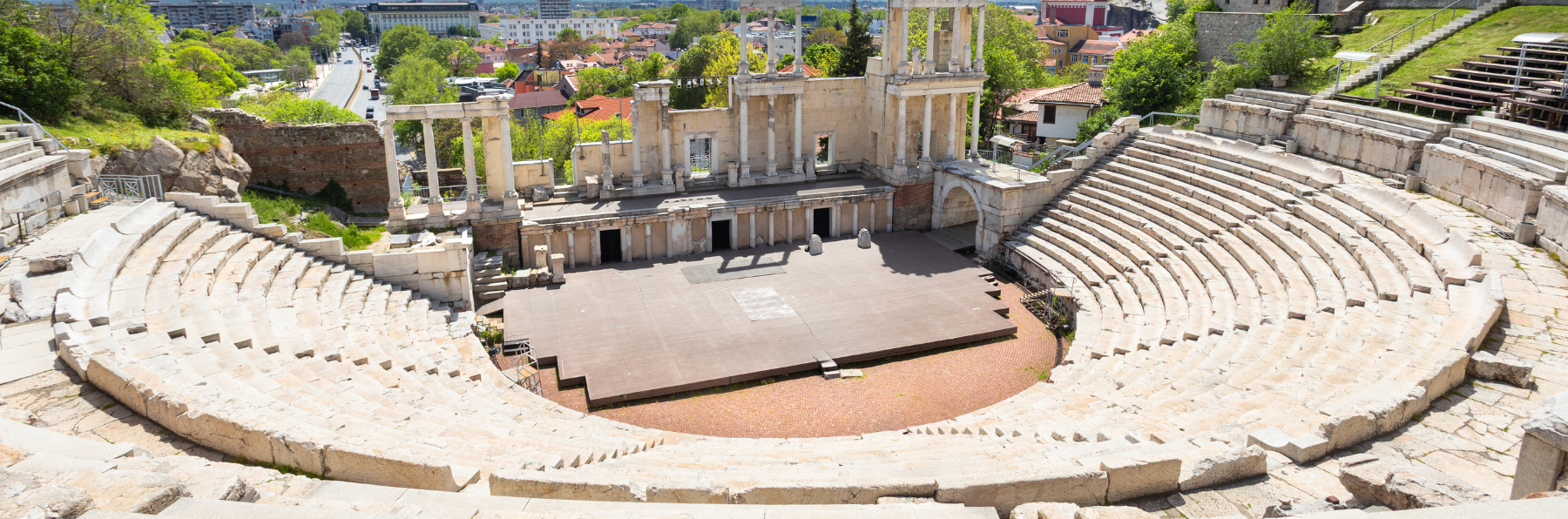
02
Plovdiv
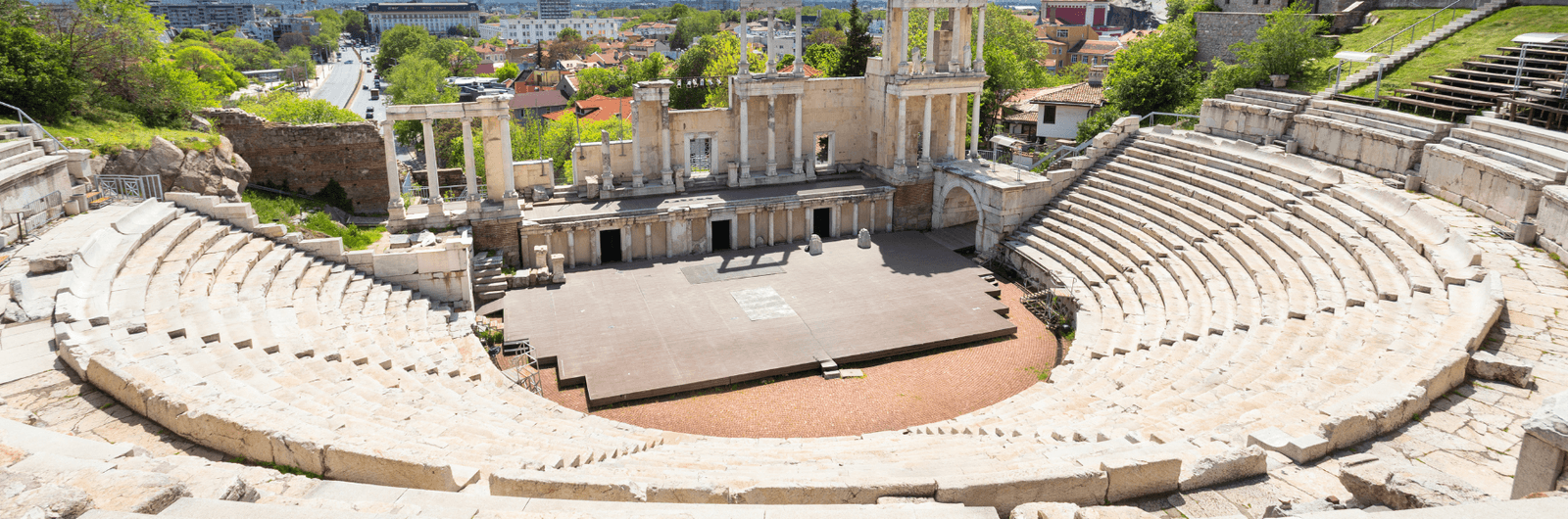
The oldest continuously inhabited city in Europe
03
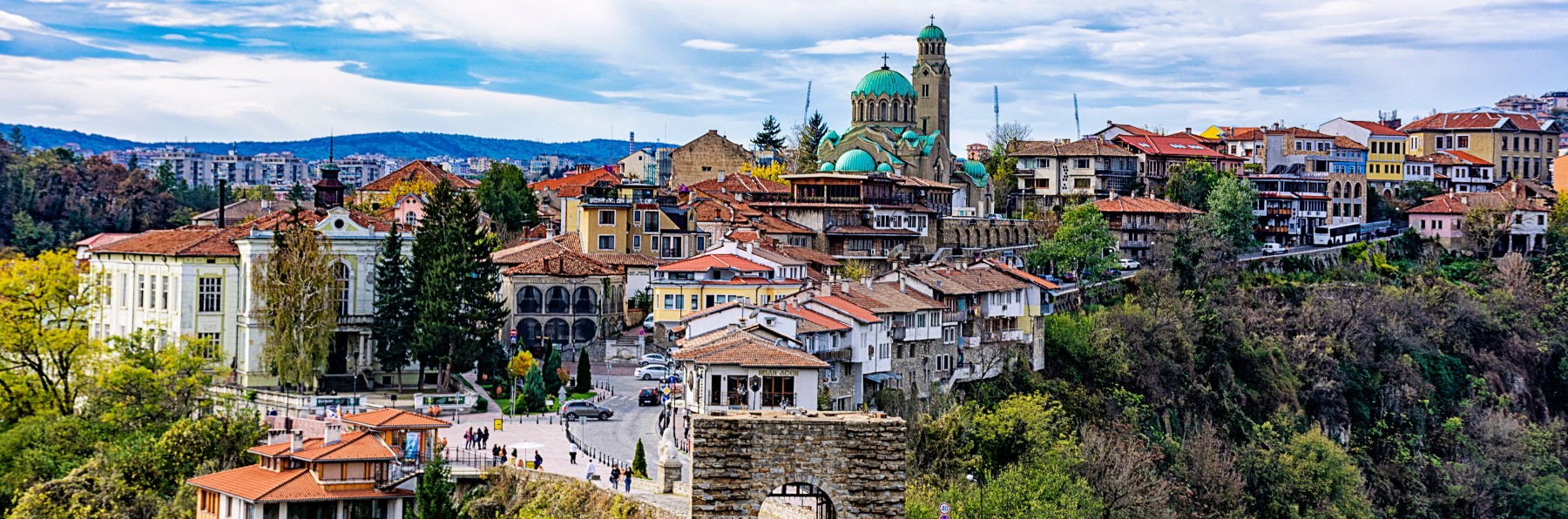
Veliko Tarnovo
The medieval capital above the Yantra
04
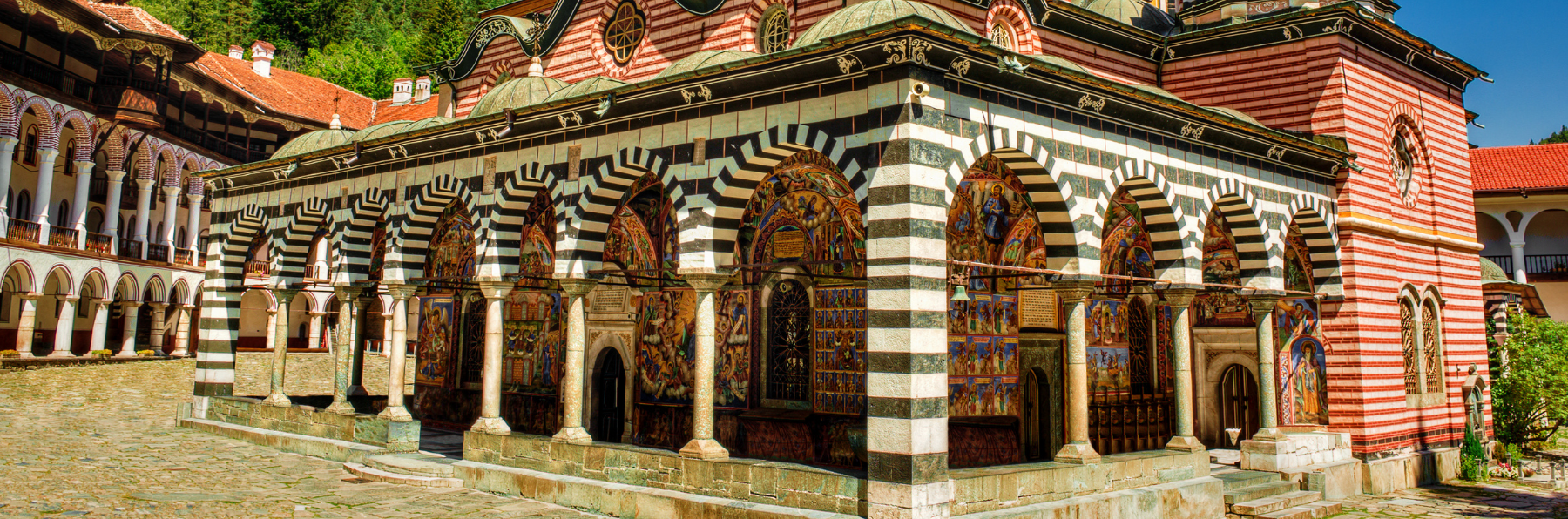
Rila and Bachkovo monasteries
The two key monasteries of Bulgarian Orthodoxy
05
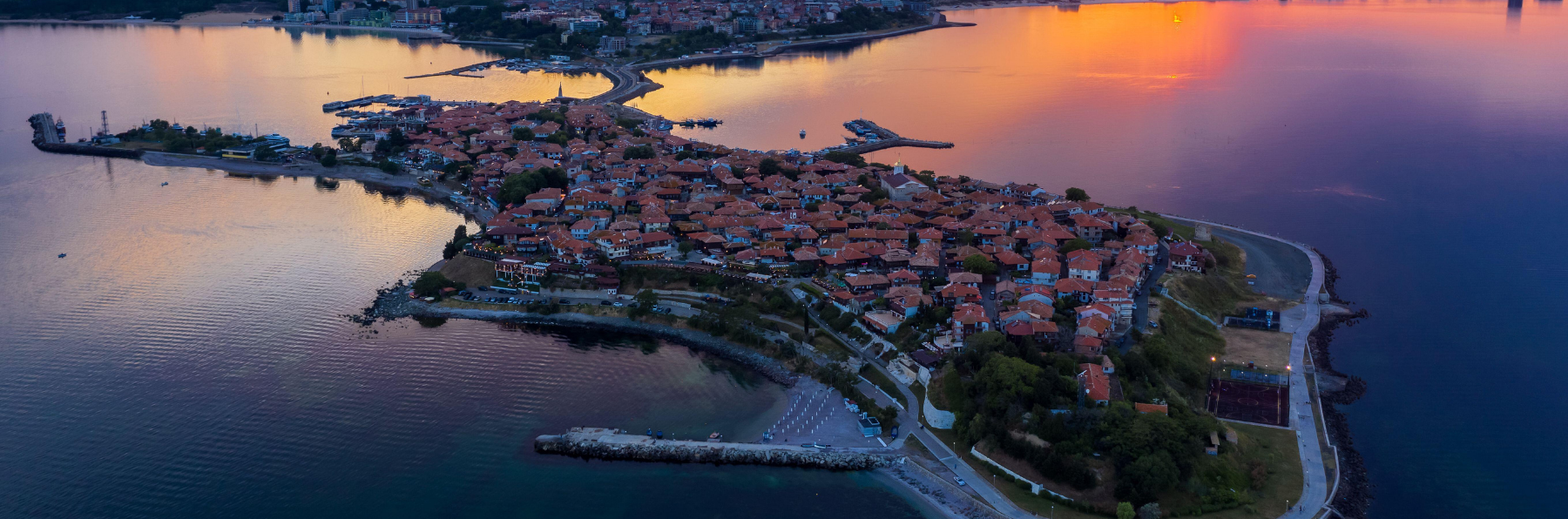
Black Sea coast
Nesebar, Sozopol and the southern beaches
06
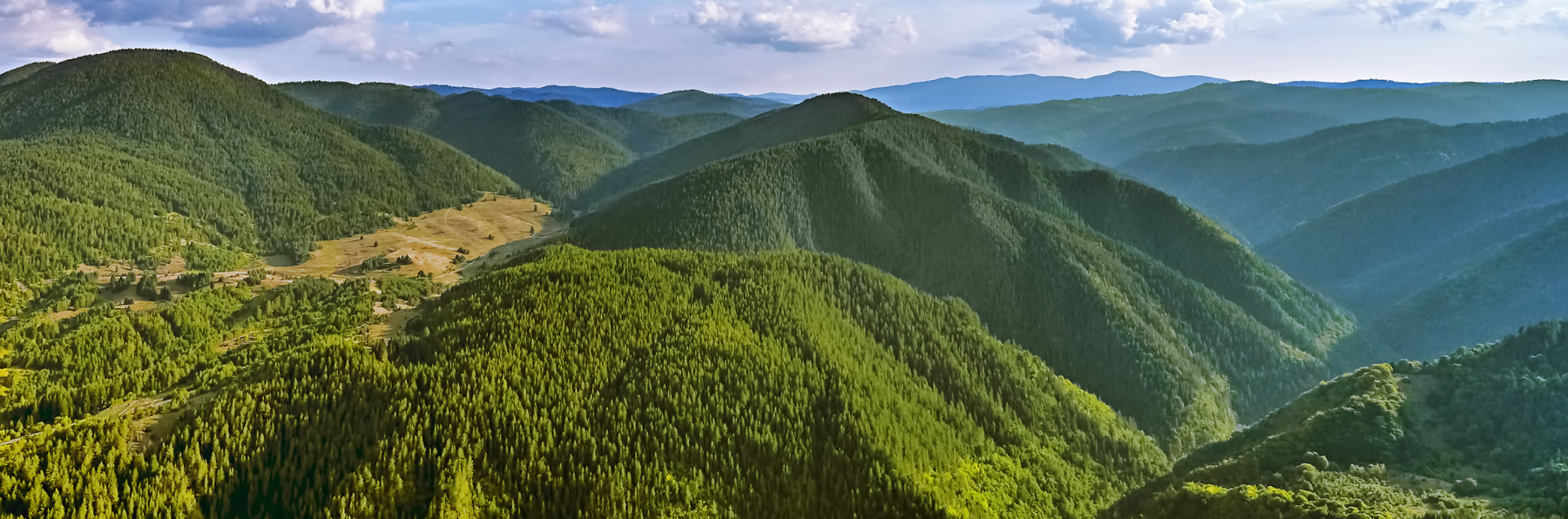
Mountains and Rhodopes
Hiking, Pomak villages and Thracian music
07
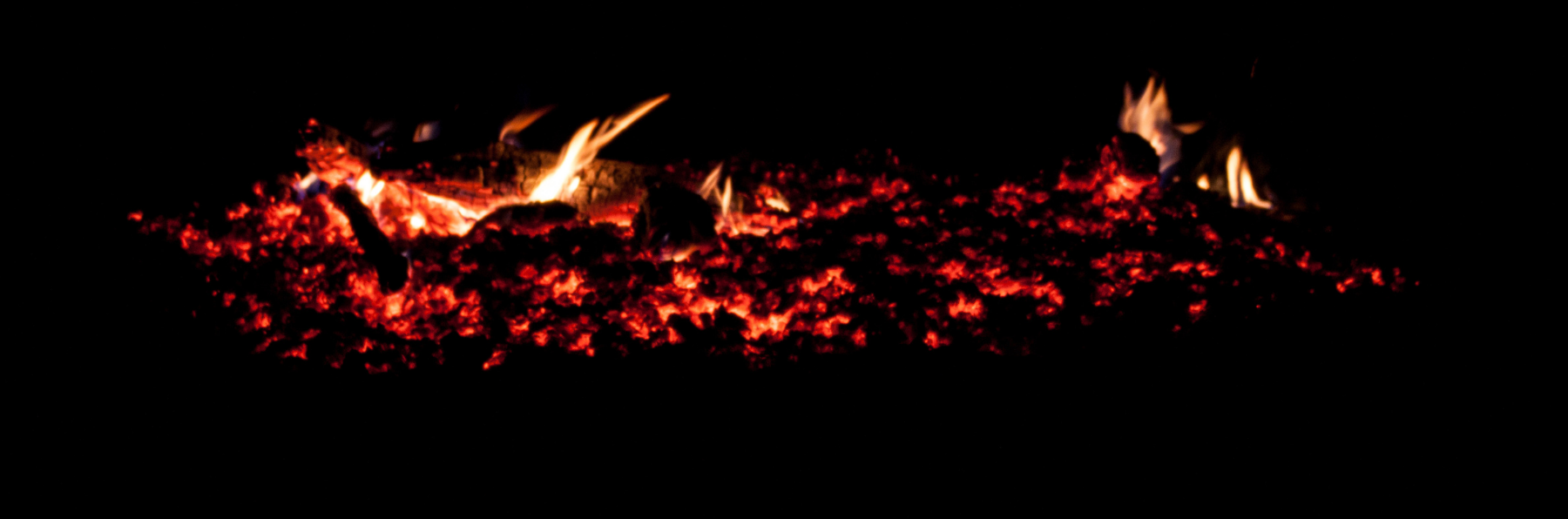
Nestinari
The fire-walking ritual, every June 3rd

08
Kukeri and Surva
The winter masks in Pernik
09
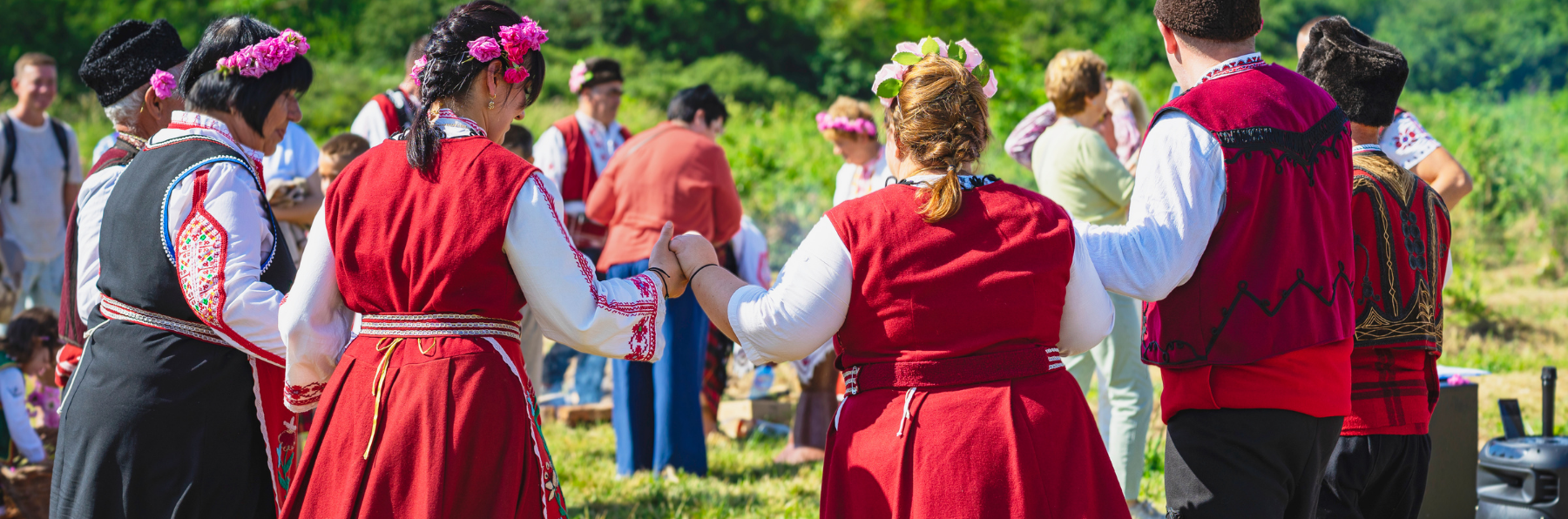
Valley of the Roses
Kazanlak, the harvest and the essential oil
Sample
A fragment,
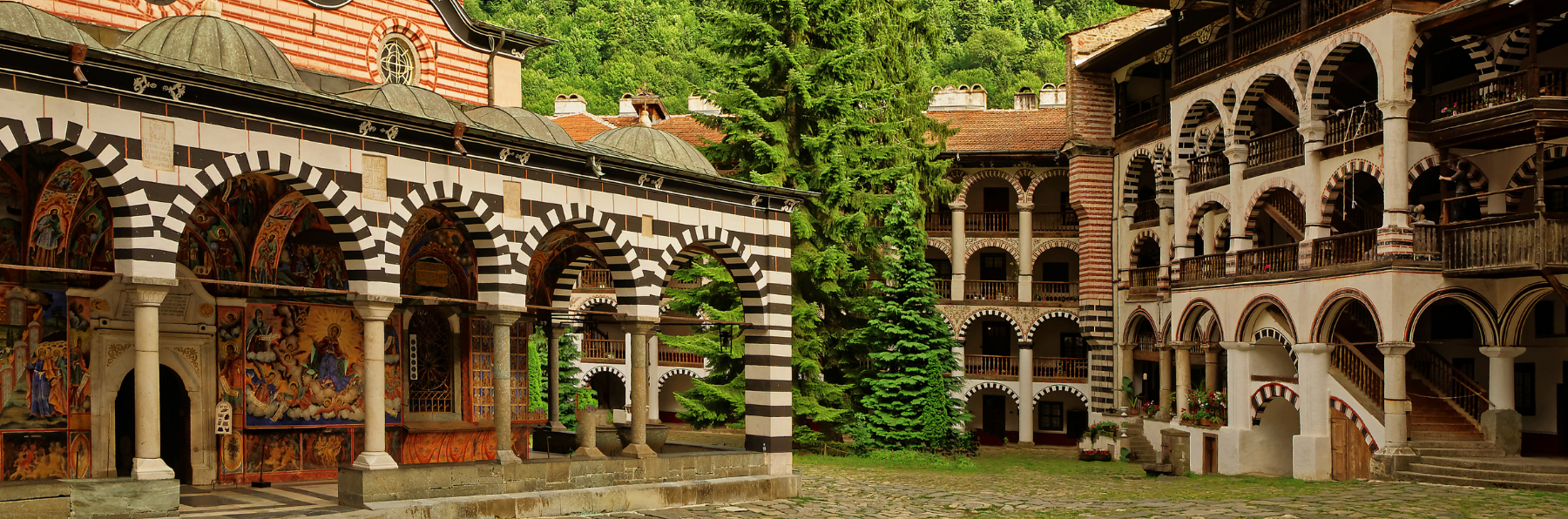
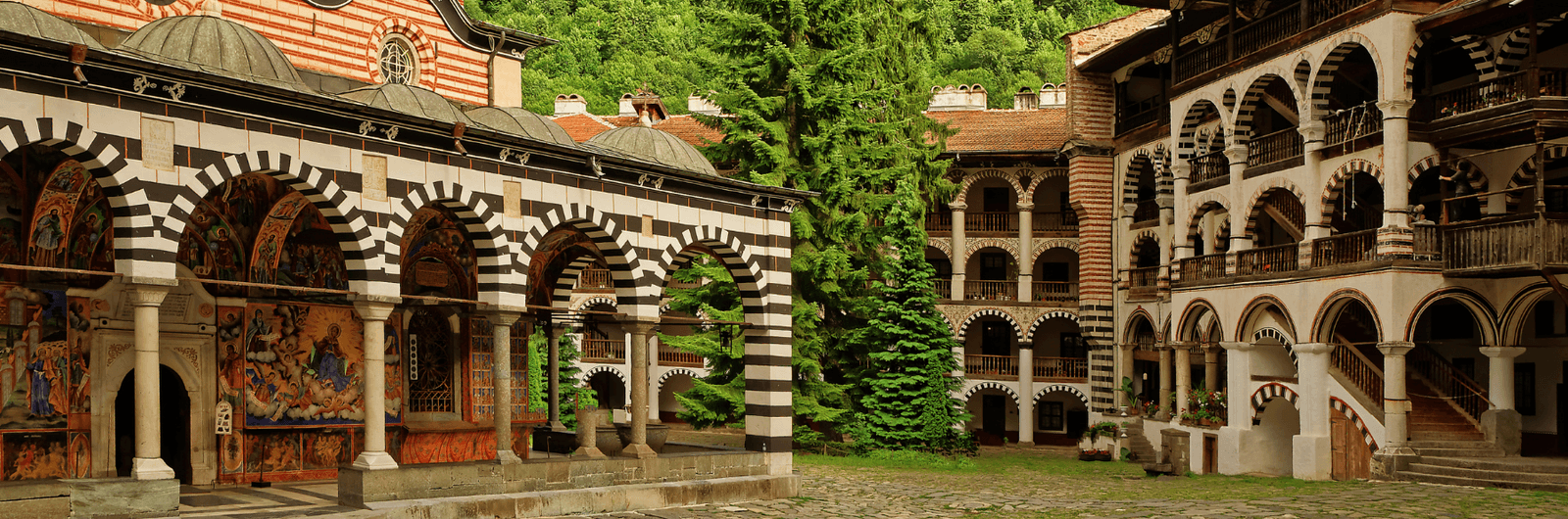
Rila, the luminous monastery.
Chapter · Monasteries
Rila, the Bulgarian cultural heart
Without the monasteries, Bulgaria would not exist. There the Cyrillic alphabet survived 500 years of Ottoman rule.
Founded in the 10th century by Saint John of Rila, the monastery was for centuries the spiritual and linguistic nucleus of the country. The frescoes of the main church (19th century) are one of the most complete Orthodox painting ensembles in the Balkans.
The guide explains why you should sleep inside the compound, which frescoes to look at and in what order, and how to combine Rila with Bachkovo — the second most important monastery — in a two-day route from Sofia.
Traveler tip
There are guest cells inside the monastery for €40 a night. It sounds monastic, and it is, but it lets you see the courtyard at sunrise without tourists. Book 2-3 weeks in advance.
The method
A different kind of guide
Built for the real traveller, not the tourist
Interactive maps & itineraries
Explore points of interest by category and plan your route day by day.
Latest online, downloadable for your trip
Use the guide online and download its essential content, with images, for when you travel without a connection. Maps still need internet.
1 year of updates included
Prices, opening hours and recommendations updated for 1 year. You're not buying a static PDF.
Signed by a historian
Alex Tomboix brings together research, fieldwork and professional experience so you understand the place and know how to move through it.
Plans
Choose your plan
No surprise subscriptions. No fine print. One payment, permanent access.
Bulgaria Guide
€14.99
one-time payment
What you unlock today
- ✓ Full Bulgaria guide
- ✓ Indefinite access to your purchased edition
- ✓ Complete download without maps
- ✓ Interactive maps & itineraries
- ✓ 1-year updates
- ✓ ES + EN
Full access
€30
one-time purchase
- · All current guides
- · New destinations included
- · Permanent access, no subscriptions
- · Interactive maps & itineraries
- · Complete download without maps
- · One year of content updates
Secure payment with Stripe · Instant access
FAQ
Frequently asked questions
Do I need a visa for Bulgaria? +
No for EU, UK or US citizens. Bulgaria is an EU member since 2007 and joined air Schengen in 2024.
What is nestinari and can it still be seen? +
Yes. The fire-walking ritual survives every June 3rd in Bulgari (Strandzha). The guide explains where and when to see it authentically.
How many days do I need for Bulgaria? +
Minimum one week for Sofia, Plovdiv, Veliko Tarnovo and Rila. 10-14 days if you add the Rhodopes, the coast or the festivals.
Can I combine Bulgaria with Romania, Greece or Turkey? +
Yes. The guide explains border crossings: Ruse-Giurgiu, Kulata-Promachonas, Kapitan Andreevo-Kapıkule.
Is Bulgaria safe? +
Yes. Bulgaria is one of the safest countries in the Balkans. The guide covers practical specifics: Cyrillic, mountains, rural areas.
Does the guide stay up to date? +
Yes. The online edition reflects the latest published version. Content updates are included for 1 year from the date of purchase.
How long do I have access? +
Access to your purchased edition is indefinite. Content updates are included for 1 year from the date of purchase.
Can I use it offline? +
Yes. From inside the guide, you can download a complete copy with its images for offline use. Interactive maps require a connection. When you are back online, you can update the downloaded copy if a new edition is available.
How do I access from a new device? +
No passwords needed. Go to /en/access, enter the email you used to purchase and we'll send you an instant access link. Works on any device.
Is there a Spanish version? +
Yes. The guide is available in both Spanish and English. You can switch languages at any time from the navigation menu.
Does it work on mobile? +
It's designed mobile-first. You can install it as an app (PWA) on iOS and Android without going through any app store.
What format is the guide? +
It's not a PDF. It's an interactive website, organised by destination and attraction — not by day. Read it in any order and jump directly to whatever interests you.
Ready for
Bulgaria?
Join the travelers who have already discovered it with the guide
Instant access · Always the latest published version · 1 year of updates
One-time payment · Instant access