Iceland · 13 September 2026
Iceland in September: northern lights, hiking and the end of the season
September is Iceland's most balanced month: summer tourists leave, the northern lights return, the interior is still open and prices drop. The only catch is the weather, which starts getting serious.

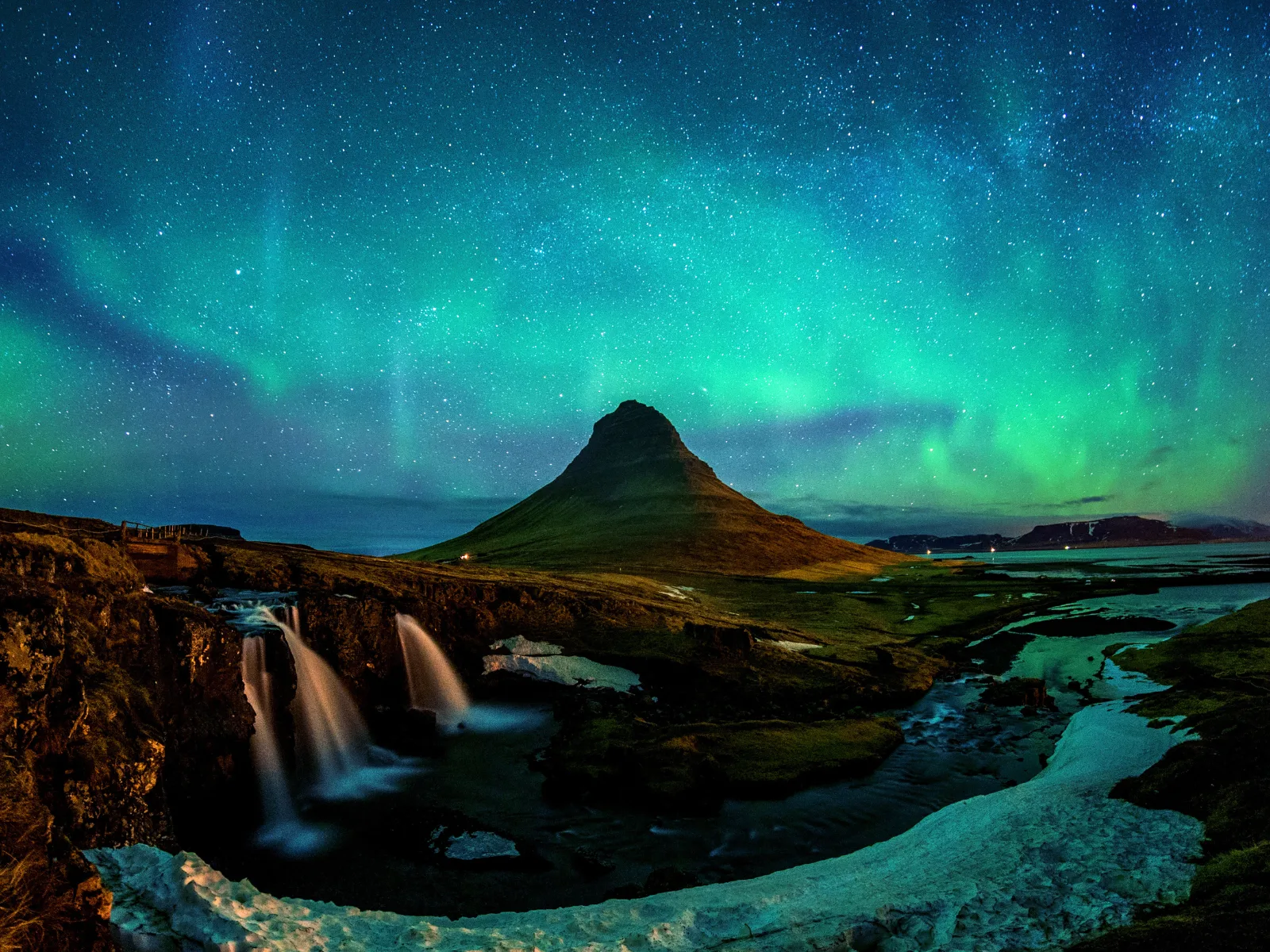
There is a moment, in the second week of September in Iceland, when the seasonal change can be felt like a switch being thrown. Tour buses disappear from the busiest car parks. Campsites gradually empty. The Ring Road recovers its silences. And at the same time, the nights return: the sun begins to set at nine, then at eight, and with the darkness come the conditions for the thing many travellers came to Iceland to find. The northern lights need night to exist, and September is the first month in which the Icelandic night lasts long enough.
September’s equilibrium
The autumn equinox falls on 22 September. By that date, Reykjavík has twelve-hour nights and the astronomical day has recovered a balance that the Icelandic summer had radically disrupted. Auroras are already possible from the start of the month: with a KP index of 3 or above and clear skies, northern Iceland has real chances from 1 September. The 2024-2026 solar activity peak makes this period particularly productive for aurora watching.
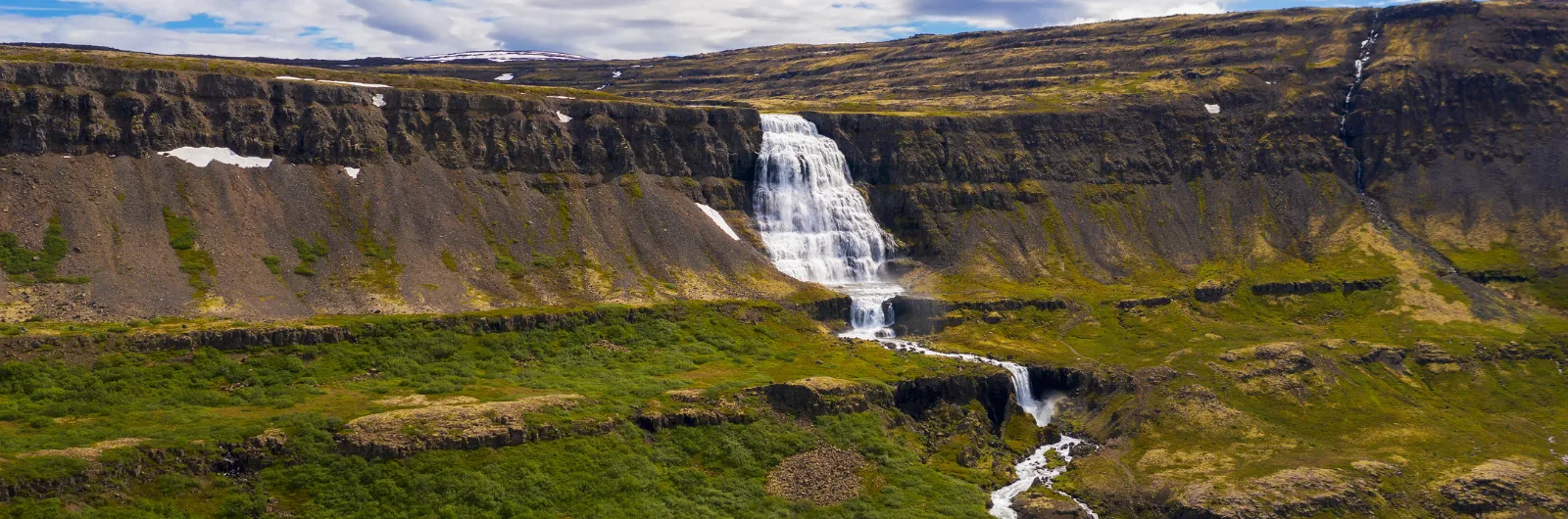
At the same time, the Highlands (the interior of the island) remain accessible. The snow that closes the F-roads in autumn does not usually arrive before late September or early October. This creates a unique window in which two things become possible that the Icelandic summer and winter cannot offer simultaneously: walking in Landmannalaugar and seeing northern lights in the same week.
The Laugavegur in September
The trekking trail from Landmannalaugar to Þórsmörk begins closing its huts in stages through September — some close at the start of the month, others in the middle. Exact dates depend on the year and weather conditions. The Icelandic Touring Association (FÍ) publishes closing dates on their website with a few weeks’ notice. Anyone planning the Laugavegur in September should verify that the huts on their specific route are open before departing.
Trail conditions in September are more variable than in July or August: overnight cold can produce ice on river crossings, high sections may have snow and wind is stronger. Mountain equipment needs to be a grade up from summer: additional layers, waterproof gloves and confidence that your tent will hold in thirty-knot gusts.
Temperatures and what they mean
In Reykjavík, September averages eight to twelve degrees Celsius. Inland, at elevations above 500 metres, nights can drop below freezing from early in the month. Rainfall increases relative to summer and can be persistent for days. A waterproof jacket and rain trousers go from precautionary equipment to daily-use equipment.
September’s weather also has a visual upside: the light is lower and more golden than in summer, the morning mist that rises over the valleys produces an atmosphere that July photographs cannot replicate, and the first autumn colours begin appearing on Iceland’s shrubs and ferns. Iceland has few trees (the decades-long reforestation programme is starting to produce results in specific areas), but the arctic willow scrub and bracken turn red and golden in September with the same effectiveness as any European forest.
Puffins and sheep
Puffins begin leaving their colonies in August and have practically disappeared from the coastal areas by mid-September. At Vestmannaeyjar, the Póngur tradition of collecting lost chicks that land in the town extends until the last chick has gone to sea — usually the first week of September. At the Látrabjarg cliffs, the final individuals depart for the Atlantic in the second week of the month.
What does appear in September is the réttir: the mass roundup of Iceland’s sheep from the mountains back to the lowland valleys. In summer, sheep graze freely on the highlands without fences. In September, farmers from across the area organise to gather them into large round corrals and sort them among their owners. It is one of the most characteristic rituals of rural Icelandic autumn, and in some areas visitors can watch — or even participate.
Prices and availability
A flight from London to Reykjavík in September can cost two hundred pounds less than the same flight in July. Hotels apply mid-season rates that rarely have a summer equivalent. Campsites are open but less crowded. The Ring Road carries normal low-season traffic. For anyone with date flexibility, September makes the most honest argument against going in August.
The complete Far Guides Iceland guide includes detailed routes across the whole island, interactive maps and all the practical information you need to plan your Ring Road and beyond.
More on Iceland
Keep reading.
Other pieces from the same destination.


Next step
Ready for Iceland?
The guide is for travelling.
Offline maps, itineraries and everything that doesn't fit in an article.
Get the Iceland guide