



Montenegro · 28 September 2026
Kotor beyond the walls: what to do in the bay
The walled city is just the beginning. What shapes a visit to Kotor is kayaking the bay, climbing to the fortress, the ferry to Perast and evenings in Dobrota.
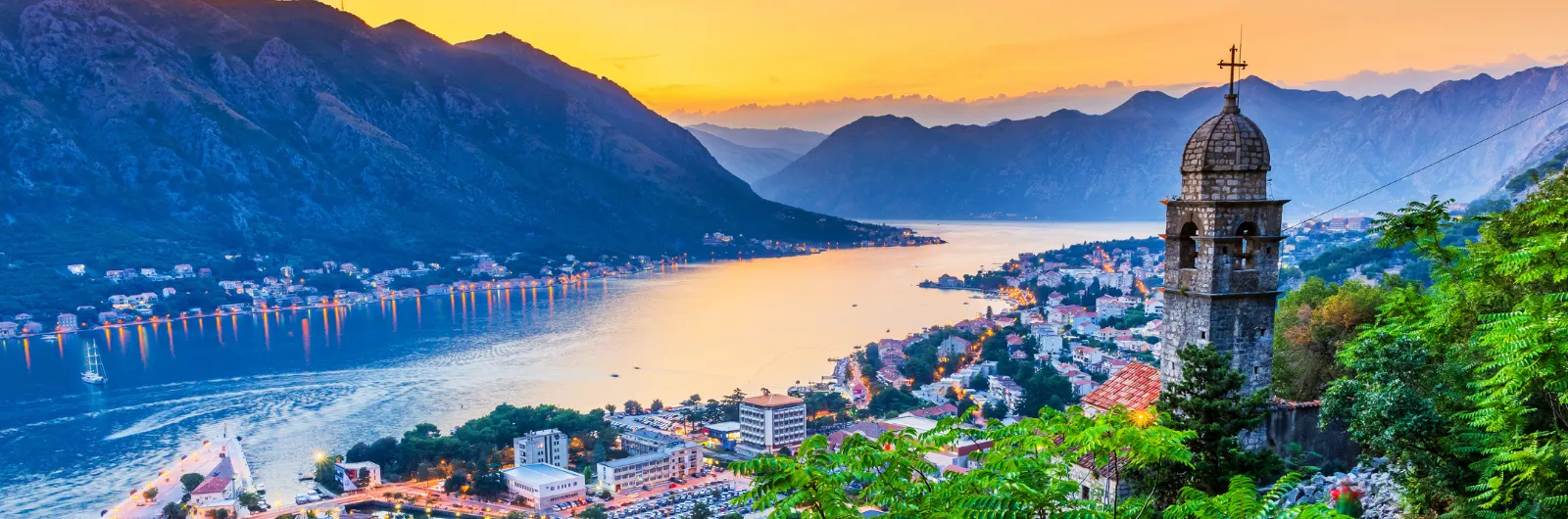
Kotor has the problem of cities that have become an image before becoming a place: the photograph of the medieval walls at the foot of the mountain, the bay behind, the cruise ships on the water, exists on millions of screens before anyone steps on the cobblestones. That visual preview creates expectations that the destination’s reality neither fully confirms nor denies: the city is genuinely beautiful, the surroundings are extraordinary, but the standard visit — entering through the Sea Gate, following the wall circuit, leaving through the River Gate — does not exhaust what Kotor has.
What gives the visit its real shape is not the wall circuit but the sum of experiences surrounding the city: climbing to St John’s Fortress, kayaking in the bay, the ferry to Perast, evenings in Dobrota. The most common mistake in Kotor is spending too much time inside the walls and too little on the water and in the surroundings.
St John’s Fortress: why you have to climb
The stairway climbing from the walled city to St John’s Fortress has 1,350 steps and a height difference of around four hundred and eighty metres. It is not a walk for those afraid of heights — the final sections follow paths with direct drops and little protection — but it is manageable for anyone in basic physical condition with good footwear. Ascent time varies: between forty-five minutes and ninety minutes depending on pace and stops.
What is at the top is not just the fortress — which is impressive in its scale and state of preservation — but the perspective that no point inside the city can provide. From the summit of San Giovanni you see the Bay of Kotor as if it were a map: the four linked sections of the fjord, the mouth opening towards the Adriatic, the villages dotting the northern and southern shores. The walled city, from above, reduces to a triangle of red rooftops barely occupying the end of a tongue of land between the mountain and the water. It is the scale that the standard tourist cannot imagine from inside.
Entry to the fortress — which includes access to the city walls, to which it is connected — costs eight euros. The best time to climb is early morning in summer (the heat on unshadowed sections can be intense) or any hour in spring and autumn.
Kayaking: seeing Kotor from the water
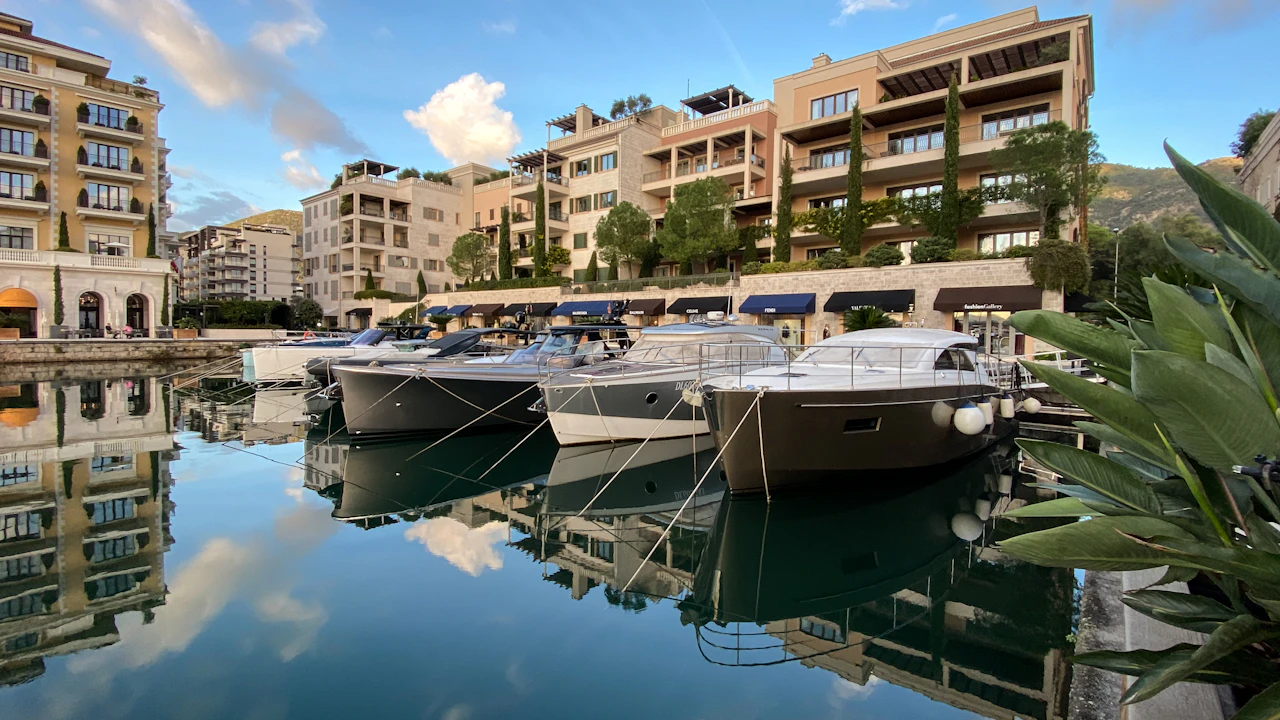
The kayak operators at Kotor port organise two to four-hour excursions departing from the quay and exploring the inner part of the bay, passing in front of the walls, moving away towards the southern shore, returning along the northern one. The experience of seeing the city from the water — with the medieval walls climbing the mountain, the waterfront buildings reflected in the bay’s still surface — is completely different from land.
Prices run from twenty-five to thirty-five euros per person for the guided excursion. Individual or double kayak rentals are also available for those who prefer to go independently: ten to fifteen euros per hour. The Bay of Kotor has few currents and is safe for inexperienced kayakers throughout most of its extent; areas closer to the ferry routes require more attention.
Perast and the man-made island
Perast is the bay’s most beautiful village: sixteen baroque seventeenth-century palaces aligned along a promenade beside the water, built by the sea captain families who made the Boka Navy (the Bay of Kotor’s naval fleet) one of the most renowned in the Mediterranean in the seventeenth and eighteenth centuries. The village currently has around three hundred inhabitants and the silence of places that have outlived their moment of glory.
In front of Perast, about two hundred metres from shore, is the island of Gospa od Škrpjela — Our Lady of the Rocks. The island is man-made: it was built over centuries by the bay’s sailors who, according to legend, found an image of the Virgin on a reef and began throwing stones and sinking rock-laden boats to create a platform for a church. The platform took centuries to reach its current size. The tradition of sinking boats is symbolically repeated each year on 22 July.
The baroque church has an extraordinary interior: around four thousand five hundred maritime ex-votos — paintings, plaques, personal objects offered by sailors who survived shipwrecks — cover the walls of the side nave. It is one of the most unusual interiors on the Adriatic.
Dobrota: the shore tourists don’t see
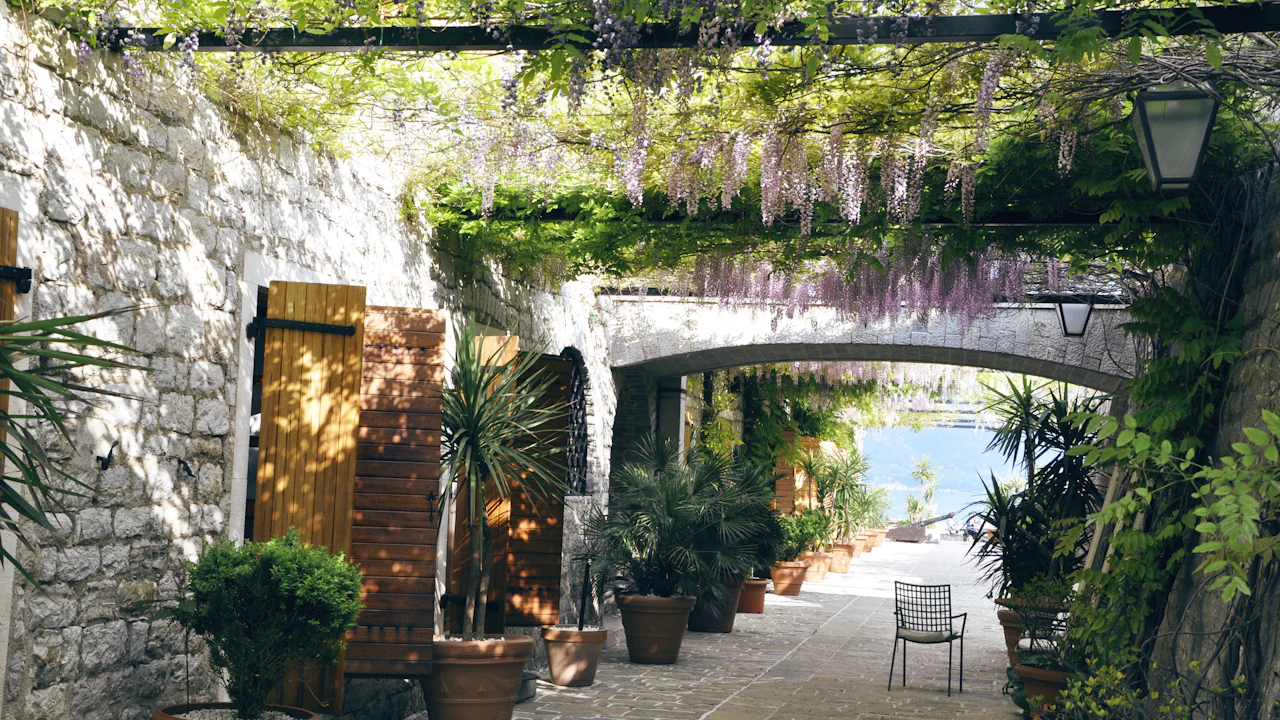
Dobrota is the neighbourhood that begins where Kotor’s walls end and extends northward along the bay shore for several kilometres. It is a residential area built by the Boka maritime nobility families in the seventeenth and eighteenth centuries: stone palaces with gardens facing the water, facades with the family coat of arms above the main door, small private jetties where residents moor their boats in summer.
Walking through Dobrota at sunset — when the light drops across the bay and the palaces take on that warm colour that Mediterranean limestone absorbs so readily — is the Kotor experience that no cruise passenger has and day-trippers rarely allow themselves. Dobrota’s restaurants are among the best in the area: quieter than those in the historic centre, at similar or lower prices, with a view of the bay that few interior terraces can match.
The complete Far Guides Montenegro guide includes detailed routes, interactive maps and all the practical information you need to plan your independent trip.
More on Montenegro
Keep reading.
Other pieces from the same destination.

Next step
Ready for Montenegro?
The guide is for travelling.
Offline maps, itineraries and everything that doesn't fit in an article.
Get the Montenegro guide