



Egypt · 25 September 2026
Egypt in autumn: the best time for the temples
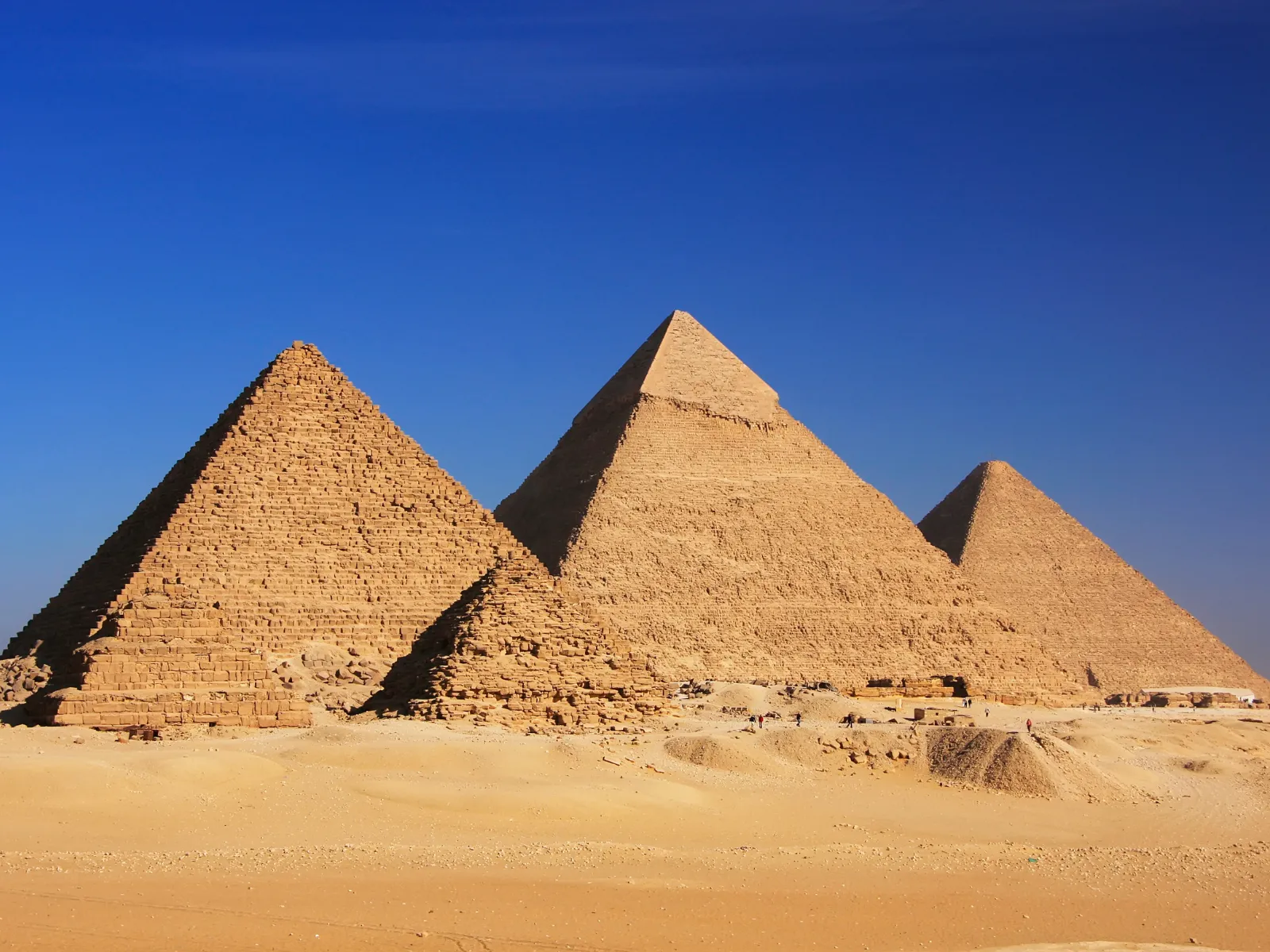
Egyptian summer is perfectly visitable with good planning, but October-November is when Egypt works best: less heat, fewer tour groups and the temples in their best light.

In July 1798, when Napoleon’s army landed at Alexandria and marched towards Cairo, the temperature exceeded 40 degrees Celsius. More French soldiers died from heatstroke and dehydration than in battle against the Mamluks. The accounts that expedition officers wrote in their diaries about Egypt’s summer heat are unanimous: unbearable for anyone not used to it. And yet Egypt in summer is not closed to tourism: it is open, with far fewer visitors than in winter and a different management of time that allows you to see exactly the same temples.
Summer: extreme but manageable
Temperatures in Cairo in July and August range from 35 to 40 degrees Celsius at their peak. In Luxor and Aswan, further south and without as much urban mass to buffer the heat, maximums can exceed 43 to 45 degrees. These are temperatures that make the outdoors between 11 and 4 effectively untenable.
But Egypt has been visited in summer since nineteenth-century European travellers began arriving by ship through the Mediterranean. The system that works: rise at 6, be at the monument by 7, retreat to the hotel or an air-conditioned café by 11, head out again at 4 and make the most of the hours until 7 or 8. This split schedule is not unusual in any southern Mediterranean culture; it is simply more extreme. The advantage of summer is real: in August the major monuments have between 40 and 60 percent fewer visitors than in October or November.
October and November: the convergence
October is the month that local tourism operators and experienced guides recommend with the most unanimity. Temperatures in Cairo drop to 25 to 30 degrees at their peak. In Luxor: 30 to 35. In Aswan: 32 to 37. Still warm for a northern European, but within the range where you can visit a monument at any hour of the day without significant physical consequences.
November adds another factor: Nile cruises are still operating at full capacity but the mass summer tour groups have gone. The number of visitors at the main monuments is manageable. Flight and hotel prices are in mid-season (neither the summer minimums nor the winter maximums, when large northern European package tours fill Egypt). The autumn light in the Nile Valley is softer and more golden than summer light: at 4 o’clock in October, the Luxor sun on Karnak’s columns has a quality that exists at no other time of year.
Nile cruises: when they work best
Nile cruises between Luxor and Aswan operate year-round, but October and November are the season considered optimal by local operators. Not because the river changes radically — the Nile, regulated by the High Dam since 1970, no longer has seasonal floods — but because the summer heat on board (many boats have air conditioning but the level varies) and the density of tourists at the docks and monuments makes the August experience qualitatively inferior.
The Red Sea in autumn
October is also the best month for diving in Sinai: the currents of the Gulf of Aqaba bring nutrients that attract marine life from the depths, and visibility is at its maximum. Water temperature (26 to 27 degrees) is the most pleasant of the year. At Marsa Alam, autumn is the whale shark season (September to November).
Ramadan: the variable to calculate
If Ramadan falls in autumn — the Islamic month advances by approximately ten days each year, so every four or five years it passes through October or November — the travel experience changes significantly. During Ramadan, many restaurants do not serve food during the day and monument opening hours may change. Traffic in Cairo during the iftar hour (the fast-breaking at sunset) is chaotic even by Cairo standards. On the other hand, the night-time atmosphere is extraordinary: markets and streets come alive after iftar with an intensity that exists at no other time of year.
Checking the Islamic calendar for your travel year is a practical step that many guides omit but that can determine whether your trip coincides with Ramadan or not.
The complete Far Guides Egypt guide includes detailed Nile Valley routes, interactive maps and all the practical information you need to plan your independent trip.
More on Egypt
Keep reading.
Other pieces from the same destination.


Next step
Ready for Egypt?
The guide is for travelling.
Offline maps, itineraries and everything that doesn't fit in an article.
Get the Egypt guide