Iceland · 16 August 2026
Camping in Iceland: the guide nobody gives you before you pitch the tent
Iceland has over 170 campsites, the freedom to roam in nature and a deep camping culture. It also has wind, rain and temperatures that surprise those arriving with Mediterranean expectations.

The first Icelandic campsite where I put up a tent had forty-kilometre-per-hour northerly wind, horizontal drizzle and sixteen degrees that wind chill turned into nine. It was August. The three-season tent I had brought was technically adequate for the conditions; the mindset with which I arrived, expecting something like a summer camping night in the Pyrenees, was not. The difference between enjoying camping in Iceland and suffering camping in Iceland is almost always preparation, not luck.
What the law says and what practice means
Iceland has a version of the freedom to roam (Náttúruverndarlög) comparable in principle to the Nordic countries’ equivalent: camping on unfenced, uncultivated land outside specifically restricted areas is permitted. In practice, the tourism boom of the second half of the 2010s caused serious damage to fragile vegetation zones — improvised camps pitched on Icelandic moss that can take decades to recover from a single footfall. In response, the 2015 Camping Regulation and subsequent revisions established that motorised vehicles — campervans, vans, cars — may not overnight outside designated campsites. Strict wild camping, in a tent without a vehicle, remains possible in many areas, but national parks and protected zones require camping only in designated sites.
Non-compliance carries fines that Icelandic police apply with a consistency that surprises those arriving with the idea that Iceland is a place where rules are more suggestion than obligation.
The types of campsite
Municipal campsites, managed by local councils, are the most complete: bathrooms with hot showers (sometimes included, sometimes via a prepay card at one or two euros), communal kitchens with hobs and fridges, reasonably functional WiFi, and in some cases a laundry room. Prices range from €10 to €20 per person per night in high season. Selfoss, Höfn, Vík and Akureyri all have municipal campsites of this standard that serve as the Ring Road reference points.
National park campsites are more basic — often just portable toilets and a water point — but positioned in the best locations in the country. The one at Skaftafell (Vatnajökull National Park) has capacity for hundreds of tents and is the standard departure point for glacier hikes. The one at Þórsmörk, at the end of the Laugavegur trail, has limited facilities but a setting no urban campsite can compete with.
The campervan: the most popular option
The campervan has become the standard way to drive the Ring Road: flexible schedules, no hotel bookings, the ability to sleep wherever the day ends. Prices in high season (June–August) run from €100 to €180 per day for a basic two-person campervan with integrated kitchen and bed. Models with their own bathroom are considerably more expensive but give complete independence from campsite facilities.
The 2015 regulation requires campervans to overnight in designated campsites too — not in any car park, not at viewpoints, not on beaches. Rental operators explain this in the contract, and most fit GPS units that log where the vehicle spends the night. This is not paranoia; it is the consequence of the damage the practice caused before regulation.
The equipment nobody mentions
A sleeping bag rated to zero degrees Celsius is necessary even in summer: nights in the interior or at elevation can drop below five degrees in any month. A four-season tent with a double skin and aluminium or carbon poles will handle Icelandic wind; an ultralight three-season design can be destroyed in thirty minutes if the wind shifts at two in the morning. Spare tent pegs are standard kit: the Icelandic ground (lava, volcanic rock) can bend thin aluminium pegs under normal conditions.
Drinking water is abundant in Iceland: clear rivers (not the milky or grey-coloured ones carrying glacial sediment) are drinkable directly. Every campsite has drinking water. There is no need to carry large reserves.
What camping gives that a hotel cannot
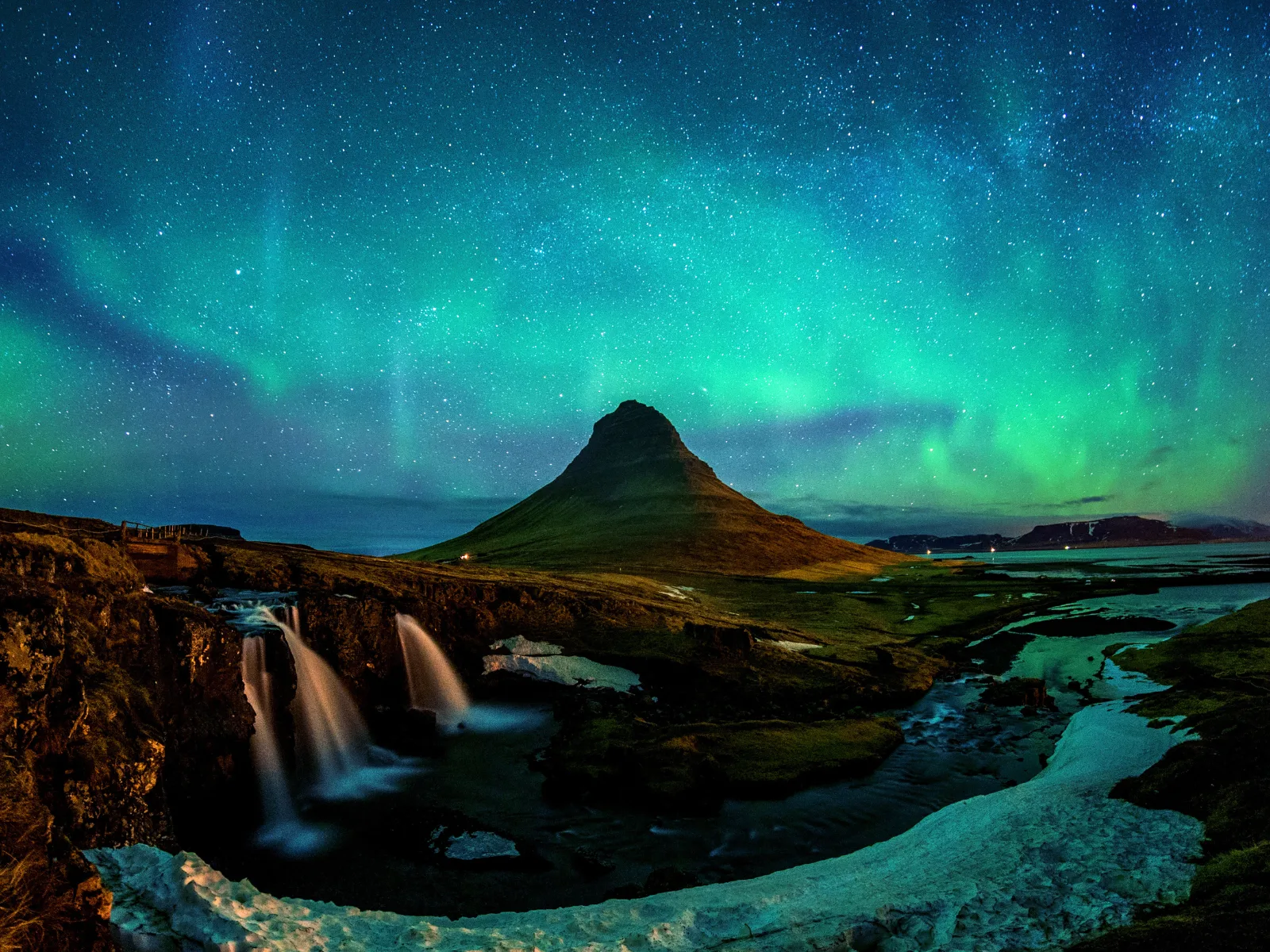
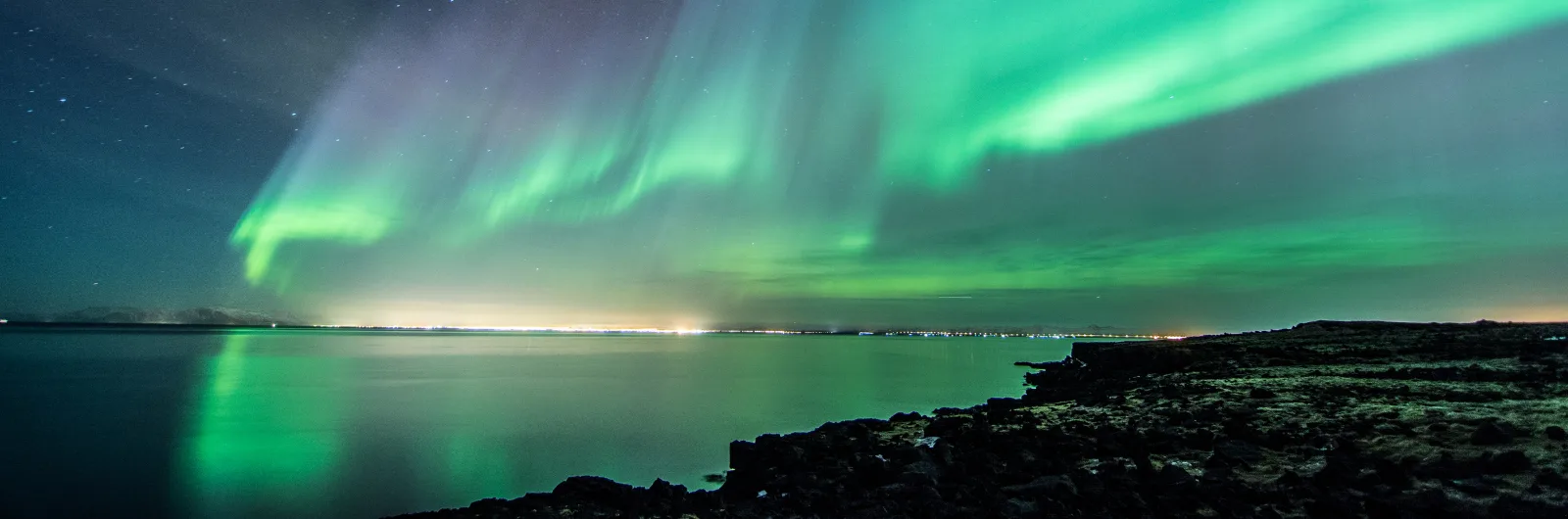
The midnight sun from the tent door in June. The northern lights appearing above the field while you drink coffee at eleven at night in September. The silence of small campsites on the east coast, where the only sound after ten o’clock is the ocean. Camping in Iceland is not the most comfortable way to travel through the country. It is the way the country shows itself without intermediaries.
The complete Far Guides Iceland guide includes detailed routes across the whole island, interactive maps and all the practical information you need to plan your Ring Road and beyond.
More on Iceland
Keep reading.
Other pieces from the same destination.


Next step
Ready for Iceland?
The guide is for travelling.
Offline maps, itineraries and everything that doesn't fit in an article.
Get the Iceland guide