Iceland · 1 June 2026
Iceland Travel Budget: How Much It Really Costs
Iceland is expensive, but not as much as you think if you plan well. A real cost breakdown, saving tips, and three budget profiles.
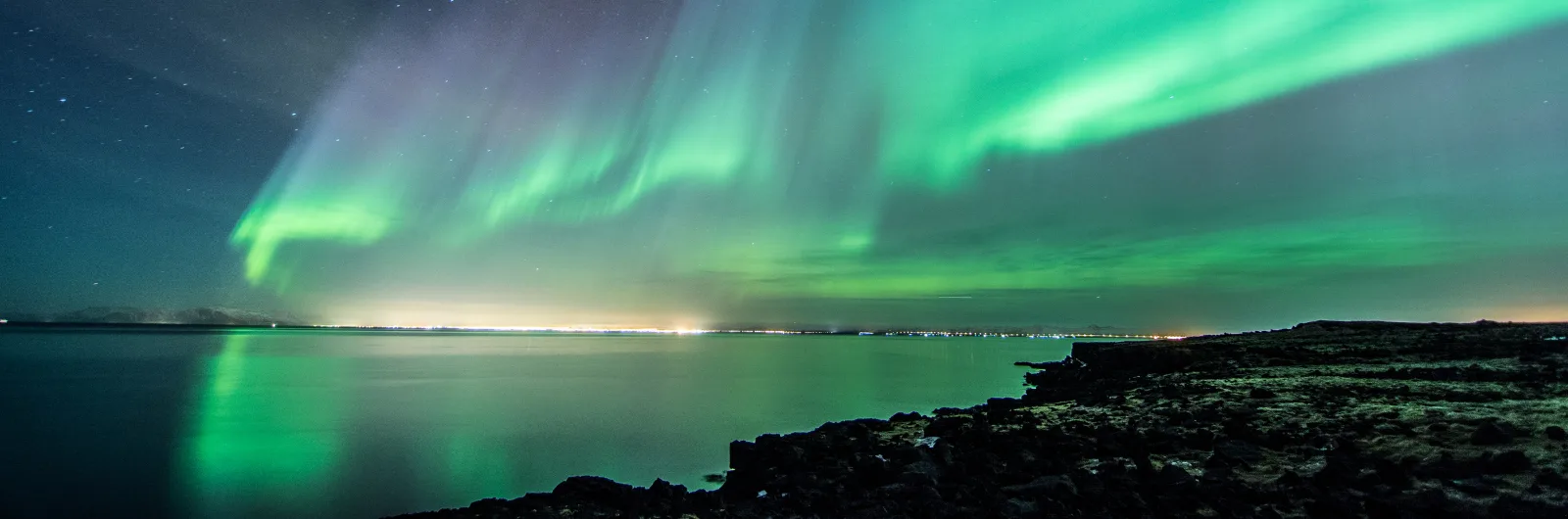
Iceland has a reputation for being expensive. It is a deserved reputation, but an incomplete one. Yes, a beer in a Reykjavik bar costs eight euros, a hamburger twenty, and a hotel night one hundred and fifty. But it is also true that the most spectacular waterfalls in Europe are free, the tap water is the best you will ever drink, natural hot springs cost nothing, and camping is a real and perfectly dignified option throughout the summer. The budget for a trip to Iceland depends less on how much money you have than on which decisions you make. This breakdown reflects prices updated to 2026 and is written for independent travellers, not organised tour groups.
Flights: the cost of entry
From the UK and mainland Europe, flights to Keflavik typically cost between one hundred and twenty and two hundred and fifty euros return, depending on the season and how far ahead you book. PLAY and Icelandair are the main carriers, with Wizz Air operating seasonal routes from several European cities. From North America, direct flights with Icelandair or connecting through Europe range from five hundred to twelve hundred dollars depending on origin and timing.
The key with flights to Iceland is booking early. Prices climb steeply from April onwards for the summer months. Booking in January or February for a July trip can save a hundred euros or more per person. The cheapest months to fly are October, November, and March, when fares drop below one hundred euros from many European cities.
A detail that affects the budget: Keflavik airport is fifty kilometres from Reykjavik. The Flybus costs around thirty euros each way. If you pick up your rental car at the airport, this cost disappears — but the rental clock starts ticking.
Accommodation: the biggest variable
Accommodation is, by a wide margin, the factor that most influences the total budget. The ranges are broad and the differences between seasons are dramatic.
Camping: the cheapest option and, for many, the most rewarding. Campsites in Iceland cost between fifteen hundred and twenty-five hundred kronur per person per night (ten to seventeen euros). Most have toilets, showers (sometimes with an additional charge of five hundred kronur), and covered kitchens. Some, like those at Thakgil near Vik or Skaftafell in the national park, occupy extraordinary locations. Wild camping is regulated: on cultivated land you need the owner’s permission, and in protected natural areas you may only camp at designated sites. The Camping Card, costing around one hundred and ninety euros, grants access to more than forty campsites for one tent and up to two adults throughout the summer. If you plan to camp more than ten nights, it pays for itself.
Hostels and guesthouses: between forty-five euros (dormitory bed) and one hundred and twenty euros (private double room with shared bathroom). Guesthouses are the backbone of rural accommodation in Iceland: converted houses, farms with rooms, small unpretentious buildings that are clean and functional. The HI (Hostelling International) chain has hostels in strategic locations across the island. Booking ahead in summer is essential: accommodation capacity outside Reykjavik is limited and fills quickly.
Hotels: from one hundred and fifty euros for a double in low season to three hundred or four hundred in summer. Hotels in Iceland are functional rather than luxurious, with exceptions. The level of service is good, but the price reflects the country’s operating costs, not any special opulence. Reykjavik offers more variety, from reasonably priced central hotels to design boutiques exceeding four hundred euros a night.
Airbnb and apartments: between eighty and two hundred euros per night for a one- or two-bedroom apartment. The main advantage is the kitchen, which allows significant savings on food. In small towns, an Airbnb is sometimes the only option besides camping.
Food: where you can genuinely save
Eating in restaurants in Iceland is expensive. Not moderately expensive: objectively expensive. A main course at an average restaurant costs between twenty-five and forty euros. A soup with bread — the budget dish par excellence — runs to about fifteen euros. A latte costs five euros. This is the reality, and there is no solution within the restaurant system.
The solution lies outside it. The supermarkets Bonus (the pink pig) and Kronan are significantly cheaper than restaurants and stock everything you need to cook complete meals. A kilo of pasta costs two euros, a tin of tuna one fifty, fresh vegetables between two and five euros per kilo, Icelandic bread three euros. The weekly shop for two people at Bonus comes to around one hundred euros when cooking two meals a day. Compare that with eating out twice a day — roughly seventy euros per person — and the difference is staggering.
The N1 and Olis petrol stations have cafeterias with hot food: soups, sandwiches, hot dogs, and buffets. It is not gastronomy, but it is acceptable fuel at reasonable prices. The famous pylsur (Icelandic hot dog) costs around four euros and is, honestly, one of the most satisfying things you can eat in Iceland at any hour.
In Reykjavik, the food halls (Hlemmur Matholl, Grandi Matholl) offer quality food at prices that, while not cheap, are more reasonable than formal restaurants. Local bakeries (Sandholt, Braud & Co) have sandwiches and pastries that work as lunch for ten or twelve euros.
A trick that few people mention: many guesthouses and hostels include breakfast in the price, and Icelandic breakfasts are generous. Bread, cereal, fruit, skyr yoghurt, cold cuts, eggs. If you eat a solid breakfast, you can get through on a sandwich and fruit until dinner.
Car rental: the big fixed expense
The car is the second largest expense after accommodation, and in many trips the first. The ranges depend on vehicle type, season, and how far ahead you book.
A compact car (Hyundai i10 or similar) costs between thirty-five euros per day in low season and sixty-five in high season. A mid-size SUV with four-wheel drive (Dacia Duster, Suzuki Vitara type) rises to between sixty and one hundred and twenty euros per day. A large 4x4 prepared for F-roads (Toyota Land Cruiser type) can cost between one hundred and fifty and three hundred euros per day in summer. On top of these prices, add the supplementary insurance — between ten and forty euros per day depending on coverage — and fuel.
Fuel costs around two euros fifty per litre. A complete Ring Road circuit (thirteen hundred kilometres) uses between seventy and one hundred litres in a standard car, which means between one hundred and seventy and two hundred and fifty euros in fuel. In a large 4x4, this can reach four hundred euros.
For a ten-day summer trip with a compact car and basic insurance, the total vehicle cost comes to roughly seven hundred to nine hundred euros. With a mid-size 4x4 and full coverage, between twelve hundred and eighteen hundred euros.
Activities: the free and the paid
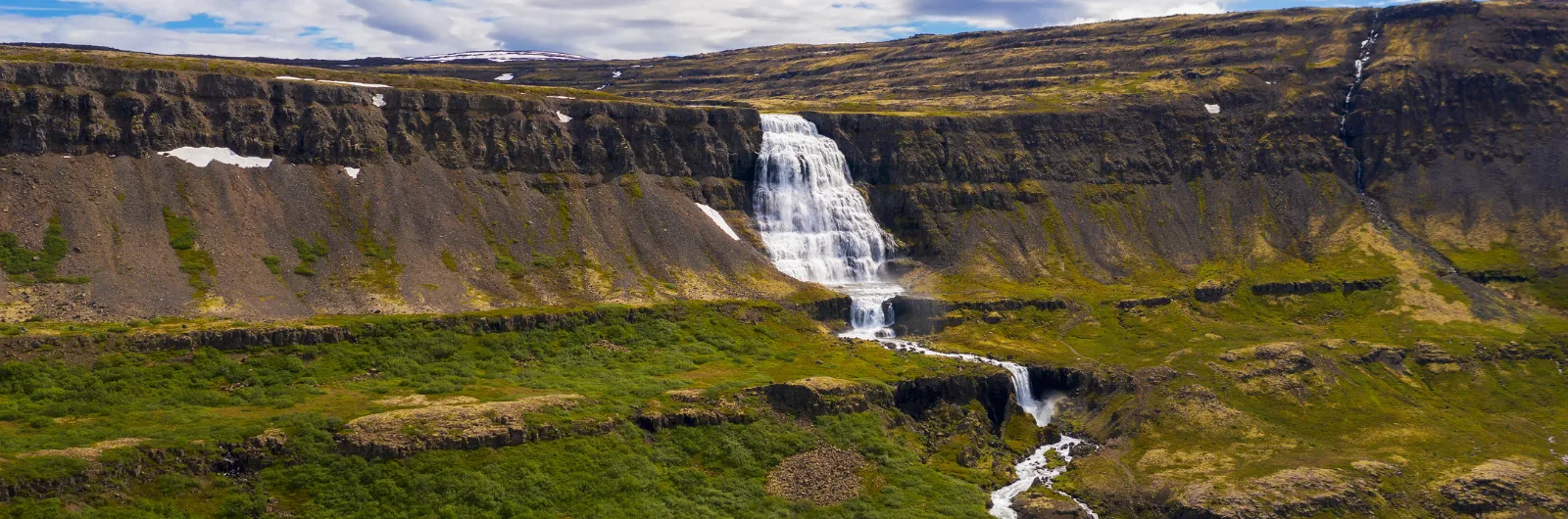
One of Iceland’s particularities is that many of its main attractions are free. The waterfalls — Gullfoss, Skogafoss, Seljalandsfoss, Svartifoss, Godafoss, Dettifoss — have no entrance fee. The geothermal landscapes of Hverir and Seltun are free. Walking along Reynisfjara beach costs nothing. The Studlagil canyon is free. Icelandic nature does not have a ticket office.
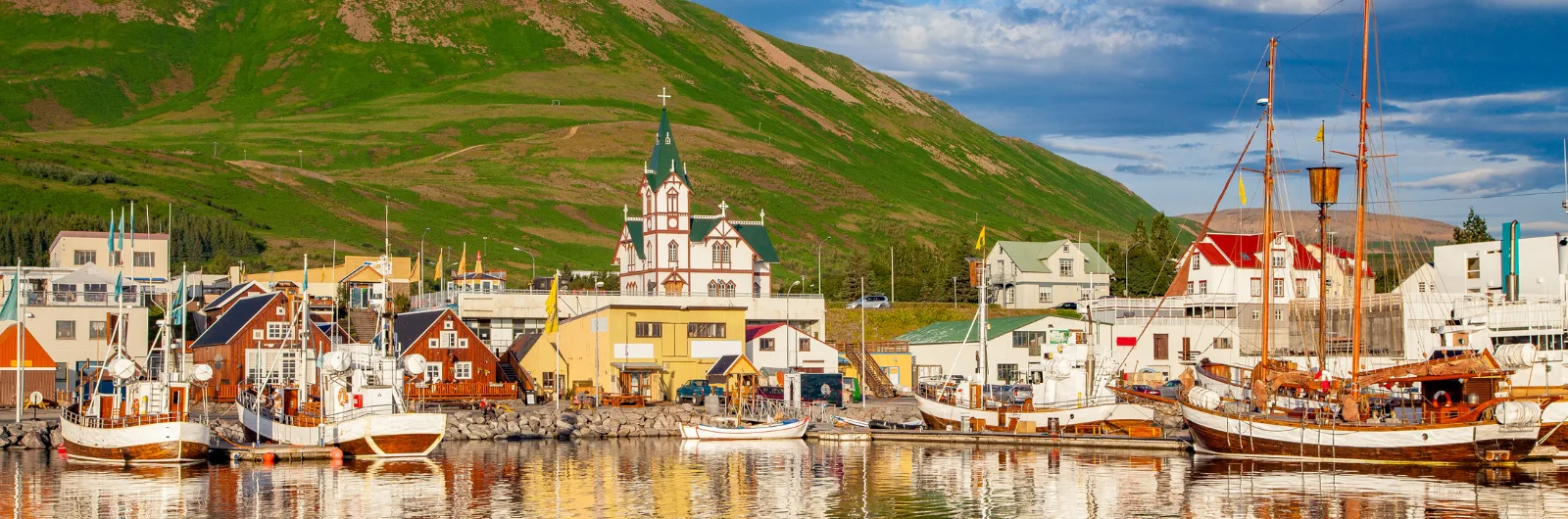
What does have a price are certain organised experiences and some specific sites. The Blue Lagoon costs between sixty and one hundred euros per person (and must be booked weeks in advance). An ice cave tour inside the Vatnajokull glacier costs between one hundred and fifty and two hundred euros per person with a mandatory guide. A zodiac boat tour on the Jokulsarlon glacial lagoon costs around sixty euros. Whale watching from Husavik runs to roughly eighty euros. A snorkelling excursion in Silfra costs about one hundred and seventy euros.
The key is to be selective: you do not need every paid activity to have an extraordinary trip. The waterfalls, glaciers seen from a distance, free natural hot springs (like Seljavallalaug or the hot pots of Reykjadalur), black sand beaches, and lunar landscapes of the interior are free, and they are the best the country has to offer. Paid activities are complements, not requirements.
Paid parking at popular attractions has become widespread: three to seven euros per stop. On a day visiting four or five sites, that adds twenty or thirty euros that are worth factoring in.
Three budget profiles
These calculations are for two people travelling together for ten days in summer, which is the most common scenario. Prices include everything except flights.
Backpacker profile: around 170 euros per day for two. Camping every night (with Camping Card), compact rental car with basic insurance, supermarket shopping and cooking at campsites, no paid activities, tap water. Total for ten days: roughly seventeen hundred euros for two, plus flights. This is a perfectly viable trip, rich in experiences: the waterfalls, glaciers, beaches, free hot springs, and landscapes are the same ones seen by those spending five times more.
Comfort profile: around 375 euros per day for two. A mix of guesthouses and the occasional hotel, SUV with full insurance, mostly self-catering with the odd restaurant or cafe, two or three paid activities (an ice cave, whale watching, a thermal lagoon). Total for ten days: roughly three thousand seven hundred and fifty euros for two, plus flights. This is the range where most independent travellers land, offering a reasonable balance between comfort and cost.
Premium profile: around 685 euros per day for two. Character hotels and distinctive accommodation, fully equipped 4x4 with comprehensive insurance, restaurants most days, multiple paid activities, Blue Lagoon or Sky Lagoon, perhaps a domestic flight or an interior excursion. Total for ten days: roughly six thousand eight hundred and fifty euros for two, plus flights. This is not a luxury trip in the conventional sense — Iceland does not really work that way — but a trip without constraints, where every decision is made by preference rather than budget.
Hidden costs that accumulate
Several minor expenses add up quietly. Parking at popular attractions: three to seven euros each time, multiplied by ten or fifteen stops over ten days. The Hvalfjordur tunnel toll (around ten euros) if you skip the fjord route. Showers at campsites: five hundred kronur (three euros fifty) per use when not included. Rubbish bags at some campsites. Laundry costs on longer trips. Tips, which in Iceland are not expected but appreciated at restaurants.
Alcohol deserves special mention. Iceland has a state monopoly on alcohol sales (Vinbudin), and prices are steep: a beer in a bar costs between eight and twelve euros, a bottle of wine at Vinbudin between fifteen and twenty-five euros. If alcohol is part of your trip, buy at the duty-free shop in Keflavik airport upon arrival. It is significantly cheaper than any shop or bar in the country, and Icelanders themselves do the same.
Where it is worth spending and where it is not
After years of observing travel patterns in Iceland, there are spending decisions that pay off and others that do not.
Worth it: car insurance (peace of mind is worth more than the saving), at least one ice cave tour if you travel in winter (it is an unrepeatable experience), a good tent if you plan to camp (the climate punishes cheap gear), quality waterproof clothing (horizontal rain is real), and enough fuel to detour off the Ring Road (the detours are where the less-visited Iceland lives).
Not especially worth it: the Blue Lagoon on a tight budget (there are free or much cheaper alternatives, such as the more reasonably priced Sky Lagoon or the natural hot pots), tourist restaurants in central Reykjavik (the value for money is poor), organised tours to sites you can visit on your own (the Golden Circle does not need a guide), Icelandic wool souvenirs from shops in central Reykjavik (the same jumper costs less at rural cooperatives or at the Handknitting Association shop).
Water: the simplest saving
Tap water in Iceland is glacial water filtered through volcanic rock over decades. It is, without exaggeration, among the best water in the world. Do not buy bottled water: it is an unnecessary expense and a contradiction. Carry a reusable bottle and fill it at any tap, fountain, or mountain stream. Over ten days, the saving compared to buying bottled water is thirty or forty euros for two, but the real reason is not the money: the tap water is objectively better than the bottled kind.
A note on hot water: the hot tap water in Iceland smells of sulphur. It is geothermal water, perfectly safe but with an odour that can surprise you the first time. The cold water has no such smell. If you fill your bottle from the cold tap, you will notice nothing unusual.
Iceland is expensive, yes. But it is a kind of expensive that responds to real causes — a volcanic island in the North Atlantic with three hundred and eighty thousand people, where almost everything is imported and abundant energy does not offset the logistical costs of a vast, sparsely populated territory. Understanding this helps avoid frustration with the prices and leads to smarter decisions: cook when you can, camp if you feel like it, choose the paid activities that genuinely interest you, and enjoy without guilt everything that is free — which in Iceland turns out to be the best of all.
More on Iceland
Keep reading.
Other pieces from the same destination.

Next step
Ready for Iceland?
The guide is for travelling.
Interactive maps & itineraries and everything that doesn't fit in an article. Always the latest published version.
Get the Iceland guide