Uzbekistan · 21 August 2026
Where to stay in Uzbekistan: an accommodation guide by city
Uzbekistan's best accommodation is not in international chains but in small guesthouses inside historic buildings. A city-by-city guide with real price ranges.

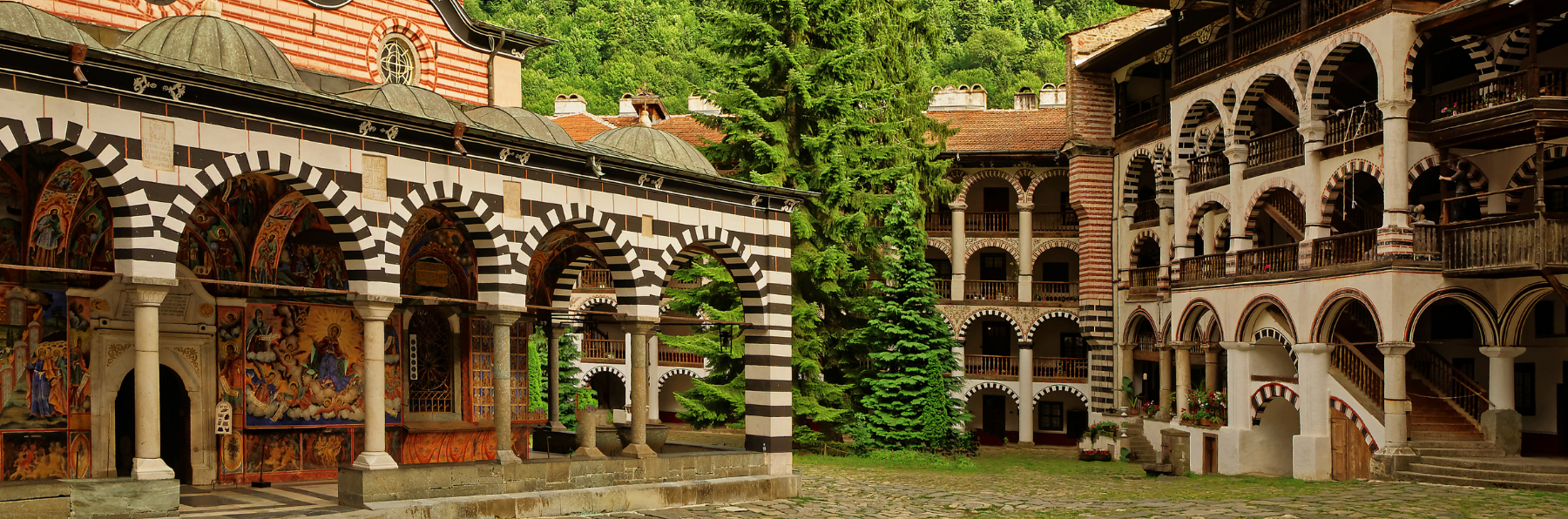
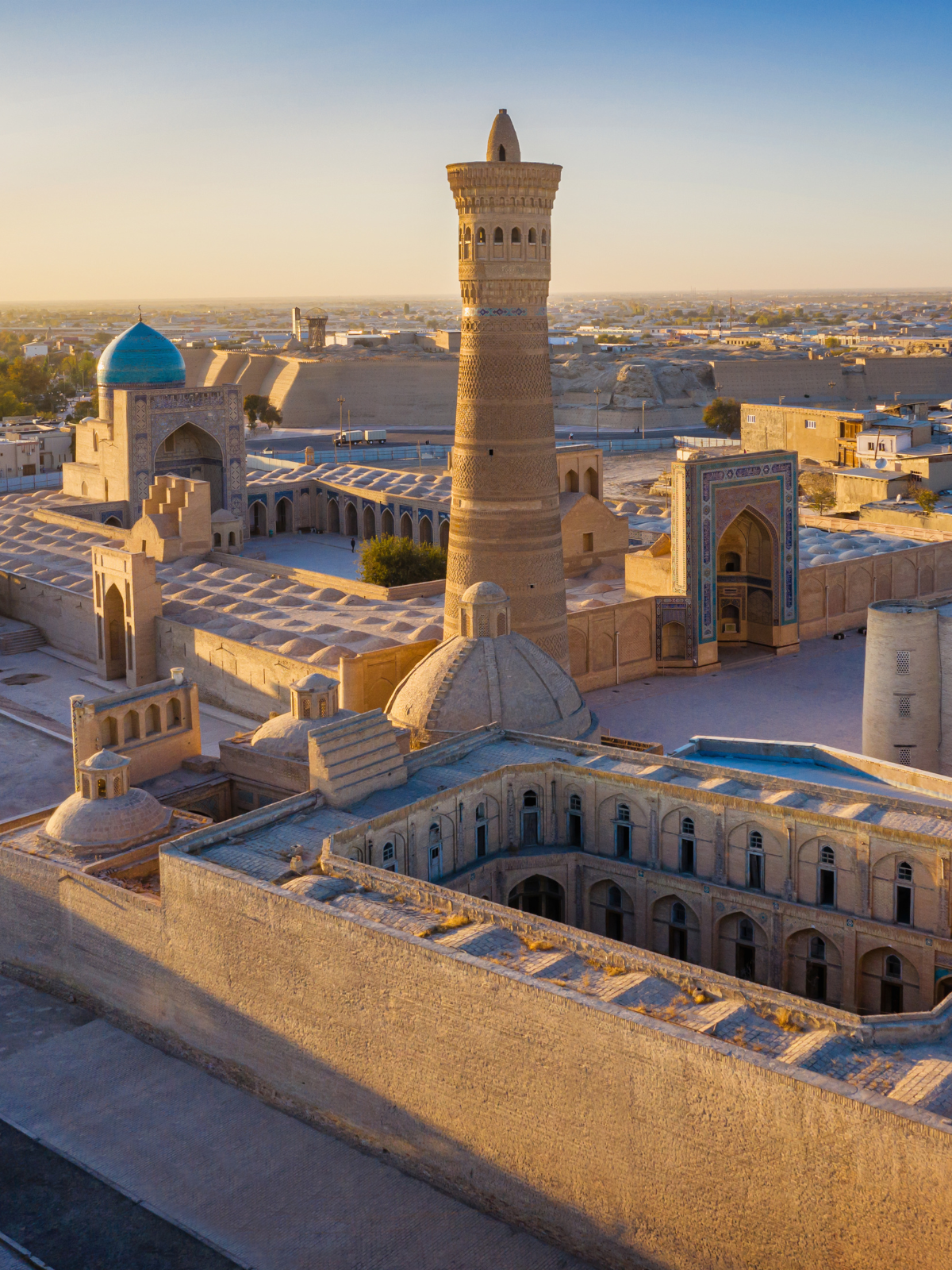
In Bukhara, in the alleyways around the Lyabi-Hauz pool, there are guesthouses installed in former merchants’ houses more than a hundred years old. The interior courtyards — with their fountains and flower beds, their carved wooden columns and coloured tiles — are in themselves a reason to choose where to sleep. For forty euros a night, including an Uzbek breakfast, you can have a room in a building with more history than most design hotels in any European capital.
That is the particular quality of accommodation in Uzbekistan: the differentiating factor is not modernity but the authenticity of the spaces. International chains exist in Tashkent and are perfectly functional, but for the traveller who understands where they are, the guesthouse in a historic house is not just cheaper: it is better.
Tashkent: the capital’s options
Tashkent has the widest range of accommodation in the country, from the large chain hotels — the Hyatt Regency, the Hilton, the Wyndham Grand — to basic hostels in the student quarter. International hotels deliver the standard the name promises, with prices ranging from one hundred to two hundred euros per night.
For the independent traveller, the best options are in the Eski Shahar neighbourhood — the old city — and its surroundings. Several guesthouses offer comfortable en-suite rooms for thirty or forty euros, in buildings that retain something of the old quarter’s atmosphere. The location, five minutes from the Chorsu bazaar, is ideal for exploring the non-tourist Tashkent.
Practical note: Tashkent has affordable taxis (Yandex Go works perfectly and prices are low) so accommodation location is less critical than in cities where everything is done on foot.
Samarkand: staying near the Registan
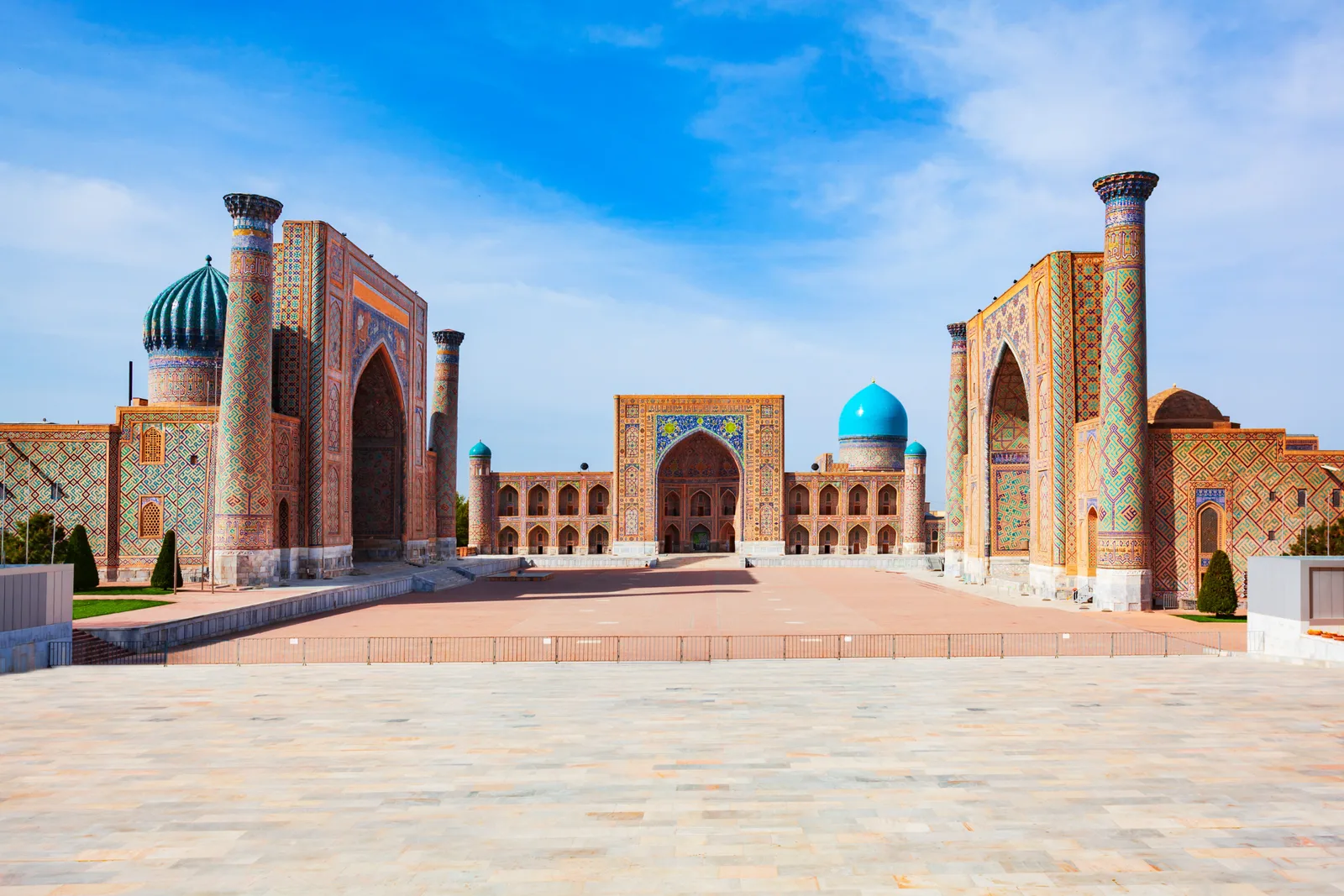
In Samarkand, location matters more. The triangle between the Registan, Bibi-Khanym and Shah-i-Zinda contains most of what is worth visiting, and staying within or at the edges of that triangle eliminates the need for transport for almost everything.
Boutique hotels in restored historic houses are the most recommended option: several have courtyards in Bukharan or Samarkand style, with rooms decorated in local fabrics and breakfasts including freshly baked non and seasonal fruit. Prices range from forty to eighty euros per night for a double with breakfast — a bracket that in Europe would correspond to a mediocre hotel.
The larger modern hotels are on the main avenue south of the Registan, with higher prices but without the benefit of historic location. For someone who has come to see Samarkand rather than to be in a hotel, the choice is straightforward.
Bukhara: the country’s best guesthouse offer
Bukhara is, for accommodation, Uzbekistan’s best destination. The concentration of guesthouses in historic houses inside and around the old medina has no equivalent in the rest of the country. Many of these establishments are family-run: the owner and their family live in the same house, prepare breakfast, know the city better than any tour guide and can arrange excursions or transport when needed.
The core of the offer is around the Lyabi-Hauz perimeter: five or ten minutes’ walk from practically everything worth seeing in Bukhara. The prices are extraordinarily reasonable for what is offered: between thirty and sixty euros per night for a double with breakfast, in houses that in some cases have a hundred to a hundred and fifty years of history.
Bukhara’s guesthouses fill up in high season — April, May and September — several days in advance. Booking a week ahead during those dates is not excessive.
Khiva: inside or outside the walls
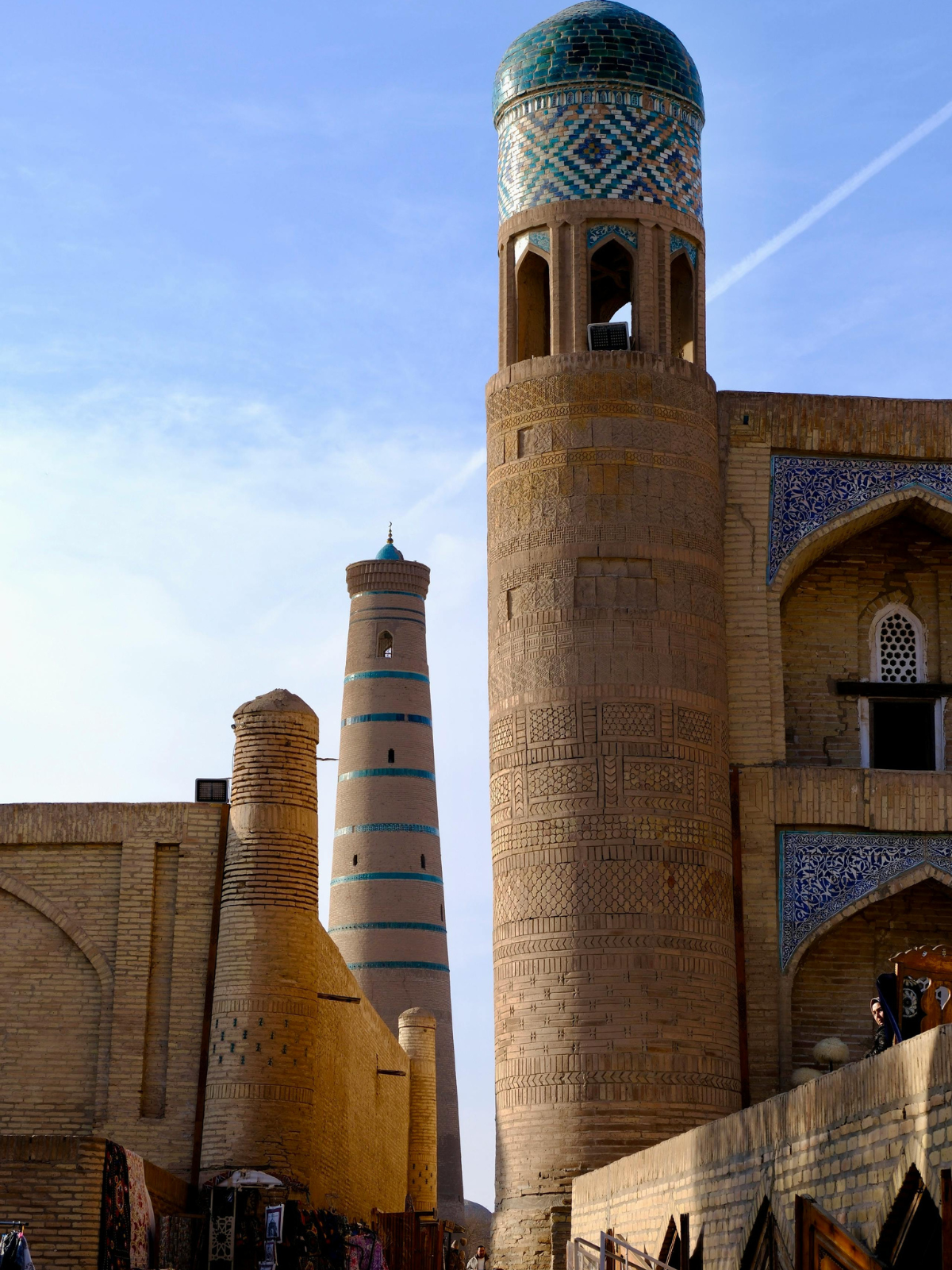
Khiva offers a unique option in Uzbekistan: sleeping inside Ichan Kala, the walled city. There are half a dozen small hotels and guesthouses in historic houses within the walled precinct, at prices similar to Bukhara but with an added experience: the city at night, when the tourists have gone and the silence reclaims the alleyways.
The downside is real: some evening tourist groups can create noise until eleven or midnight. And the facilities inside the walls are more basic than the modern options outside.
Hotels outside Ichan Kala — in the outer city, Dishon Kala — are more modern, quieter and sometimes cheaper. The distance to the walls is walkable, under ten minutes in most cases.
A note on booking
Most Uzbek guesthouses appear on the usual platforms (Booking.com, Hostelworld), though not all of them. For the smallest and most authentic establishments — which are also the best — it is sometimes necessary to book directly by email or WhatsApp, with cash payment on arrival. That process, slightly more complicated than using a platform, is precisely what filters passing tourists from travellers who know what they are looking for.
The complete Far Guides Uzbekistan guide includes detailed Silk Road routes, interactive maps and all the practical information you need to plan your independent trip.
More on Uzbekistan
Keep reading.
Other pieces from the same destination.

Next step
Ready for Uzbekistan?
The guide is for travelling.
Offline maps, itineraries and everything that doesn't fit in an article.
Get the Uzbekistan guide