Uzbekistan · 5 October 2026
Nurata and the Kyzylkum Desert: Uzbekistan off the tourist trail
Between Samarkand and Bukhara, in the heart of the Kyzylkum Desert, there is a network of yurt camps and an oasis with sacred fish that most travellers skip.

There is a question every Uzbekistan traveller eventually asks: what is between Samarkand and Bukhara? The standard answer — the high-speed train takes under an hour, there is nothing to see — is not entirely true. Halfway along, to the north, on the edge of the Kyzylkum Desert, there is a small city called Nurata with three layers of overlapping history, an oasis with fish considered sacred by locals, and access to one of the most singular experiences Uzbekistan can offer: a night in the desert in a camp of traditional yurts.
Almost no traveller goes to Nurata. That is, paradoxically, its main appeal.
Alexander’s fortress and the oasis of Nur
The hill overlooking Nurata has on its summit the remains of what local tradition calls Alexander the Great’s fortress. The archaeological dating — fourth century BCE — coincides with Alexander’s passage through the region in 329 BCE, when his armies crossed the Jaxartes River (today’s Syr Darya) during their Central Asian campaign. Little remains: a mound of earth and mud bricks, degraded walls, the unmistakable outline of a strategic position chosen by someone who knew where to place a fort. But the view over the oasis and the desert from up there has a clarity that explains why that point mattered for centuries.
At the foot of the hill, the complex of the Nur Spring is something entirely different. A series of pools of clear water — fed by a spring that tradition attributes to the Caliph Hazrat Ali, son-in-law of the Prophet Muhammad — is inhabited by trout and carp that locals consider sacred and do not eat. The adjacent mosque, with its well attributed to Hazrat Ali, is an active place of pilgrimage; on religious holidays, believers arrive from across the region. The contrast between the green of the oasis and the desert that begins literally metres beyond the pools has something of a miraculous apparition about it that justifies the legend.
The Kyzylkum Desert
The Kyzylkum — “red sand” in Uzbek — is Asia’s fifth-largest desert, with more than three hundred thousand square kilometres extending across Uzbek, Kazakh and Turkmen territory. It is not the golden dune desert that European imagination associates with the Sahara: the Kyzylkum is mostly a landscape of saxaul (desert trees of twisted appearance and extreme resilience), compacted sand and stone, with gentle undulations receding to the horizon. Dunes exist but are a minority within the whole.
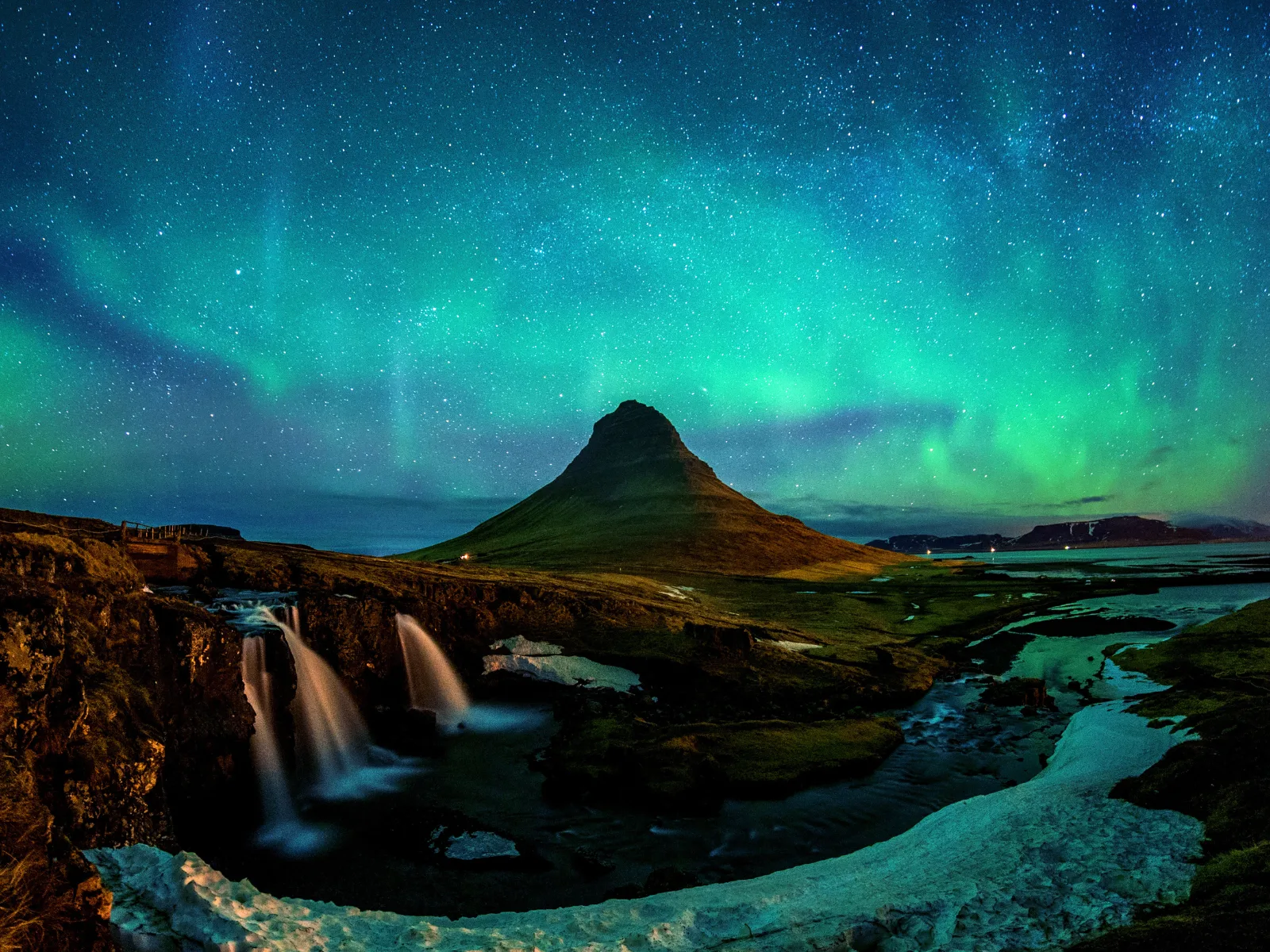
What the Kyzylkum has, which European deserts cannot offer, is the sky. A hundred and fifty kilometres from the nearest city, with no light pollution of any kind, the Kyzylkum’s night sky is a demonstration of what the Milky Way looks like when there is nothing obscuring it. The nomadic herders who still traverse the desert with their flocks have been navigating by those stars for centuries. The traveller who sees them for the first time understands why.
The yurt camps
Between Nurata and Bukhara, along roughly a hundred and seventy kilometres of desert, several operators have set up yurt camps offering accommodation in authentic traditional felt tents. The prices — between forty and sixty dollars per person, including dinner and breakfast — are reasonable for what they offer: a genuine desert experience without the excess tourism infrastructure that at other destinations turns a camp into a glorified hotel.
Uzbek yurts differ from their Mongolian equivalents: lower, with walls painted in vivid colours, floors covered with rugs and a central stove as the organising element of the space. Eating inside a yurt at night, with the desert wind pressing against the outer felt, has a quality of primitive shelter that no hotel room can replicate.
The camel rides offered by the camps are optional and not the main point of the experience: the Kyzylkum’s two-humped Bactrian camels are slow and somewhat noisy animals that offer an interesting perspective on the landscape but are not the desert vehicle of romantic imagination. The real point is the hours before and after dinner: the silence of the desert at sunset, the cold that arrives quickly when the sun disappears, and then the night sky with its stars.
How to fit it into the itinerary
Nurata is not on any train line. The most convenient way to arrive is by shared taxi from Samarkand — about two and a half hours north — or with a private driver, who allows a stop at the oasis before continuing to the yurt camp the same day. Some Bukhara operators organise day or overnight excursions into the Kyzylkum from the city, though the distance (around one hundred and seventy kilometres) makes day trips rushed.
The most logical approach, if time allows, is to make the Samarkand-Bukhara transition in two stages: one night in Nurata or at a Kyzylkum yurt camp, then continuing to Bukhara the following morning. The detour adds a day to the itinerary but completely changes the pace of the journey: after the monumental intensity of Samarkand, the silence of the desert works as a pause that makes Bukhara arrive with a different quality of attention.
The complete Far Guides Uzbekistan guide includes detailed Silk Road routes, interactive maps and all the practical information you need to plan your independent trip.
More on Uzbekistan
Keep reading.
Other pieces from the same destination.
Next step
Ready for Uzbekistan?
The guide is for travelling.
Interactive maps & itineraries and everything that doesn't fit in an article. Always the latest published version.
Get the Uzbekistan guide