







Egypt · 30 September 2026
Egypt in 10 days: the itinerary that actually works
Ten days in Egypt lets you see the essentials with good transport planning. An honest route: Cairo, the pyramids, Luxor, the Valley of the Kings, Aswan and Abu Simbel.

Ten days in Egypt is enough if you make three correct decisions: don’t try to fit everything in, move south to north (not the other way), and don’t waste your mornings at the most popular monuments, which fill up by 9. The route below is honest about timing, costs and fatigue.
Cairo: three days that can’t be compressed to two
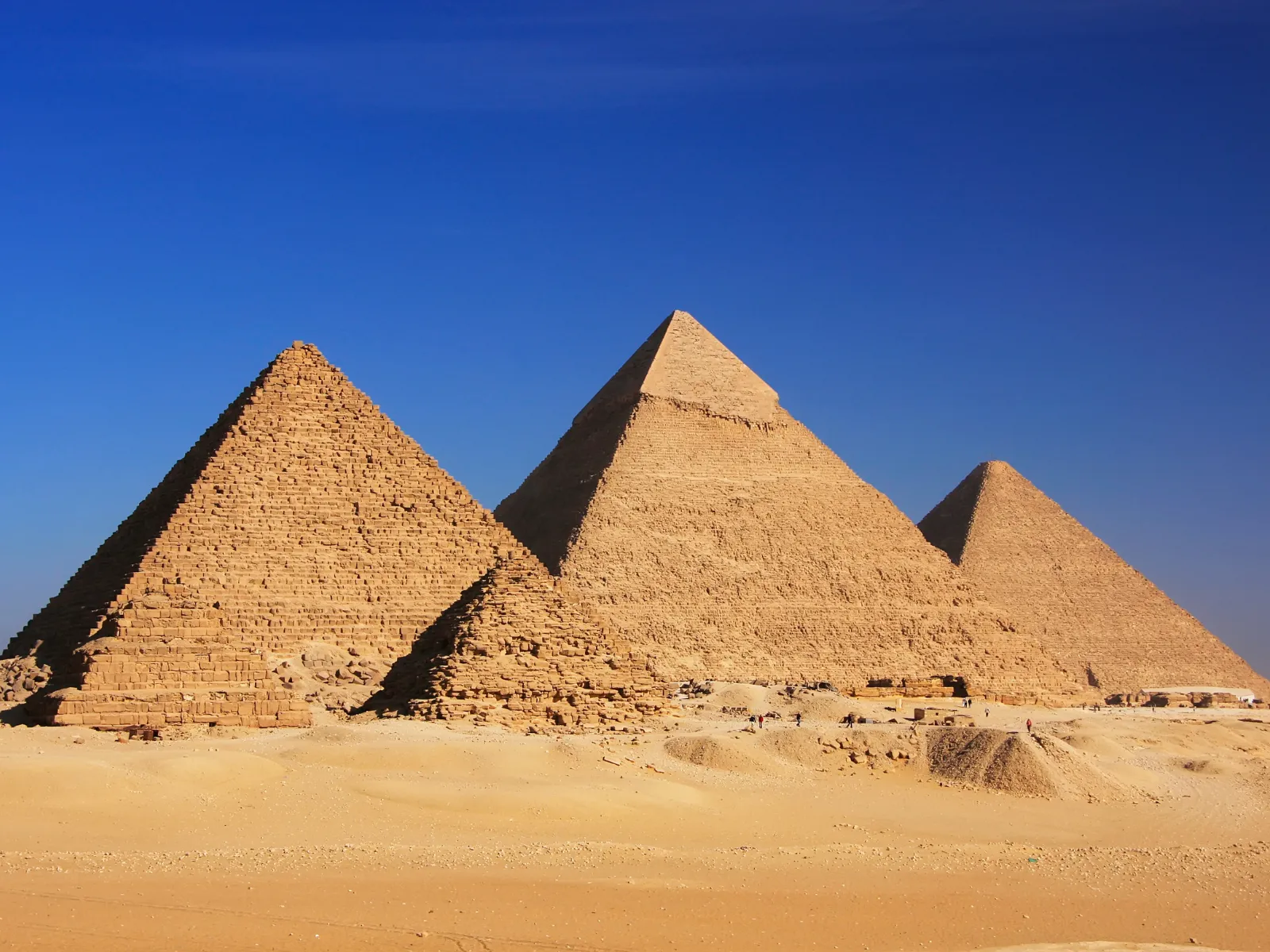
The jet lag from Europe is minimal (one or two hours), so the first day can start at full speed. The recommendation is to spend it at the Grand Egyptian Museum in Giza — fully inaugurated in 2023 after two decades of construction — and at the Giza pyramids in the afternoon, when the light comes from the west and the pyramids cast long shadows that make for better photographs. In the morning, if you’re looking from the plateau, the sun is directly behind the pyramids: shooting into the light.
The second Cairo day can be devoted to the Islamic quarter: the mosque of Ibn Tulun (ninth century, the oldest in Cairo and one of the few that retains its original Abbasid structure), the Citadel of Saladin with the Muhammad Ali Mosque, and the bazaar of Khan el-Khalili. You don’t need to buy anything in Khan el-Khalili to enjoy it: the alleyways behind the main street are infinitely more interesting than the souvenir stalls on the facade.
The third day is designed for south Cairo: Memphis (the ancient Old Kingdom capital, now reduced to a few colossal sculptures in an open-air garden) and Saqqara, where the Step Pyramid of Djoser — the oldest pyramid in the world, 2,650 BC, designed by the architect Imhotep — provides a historical perspective that the Giza pyramids don’t. Giza is a spectacle of scale. Saqqara is where everything began.
Luxor: three days in the densest city of the ancient world
The overnight train from Cairo to Luxor departs around 10pm and arrives at 6 in the morning. The sleeping car exists but is not necessary: the train is comfortable, the journey time is reasonable, and arriving at dawn in Luxor — with the city still quiet and pink light on the Nile — is one of the best stage openings of the trip.
The first day in Luxor is for Karnak. Arriving before 8 in the morning is the difference between having the Hypostyle Hall nearly to yourself and sharing it with four cruise groups. The afternoon: the Temple of Luxor, best at sunset and at night, when the illuminations light it up and the avenue of sphinxes recovers something of the solemnity it must have had when the Opet procession moved along it.
The second day is the west bank: Valley of the Kings as early as possible in the morning, the funerary temple of Hatshepsut (carved directly into the limestone cliff at Deir el-Bahari), and the Colossi of Memnon at the end. The two quartzite colossi of Amenhotep III, 18 metres tall, stand alone in a field by the roadside: they can be seen in ten minutes and are more impressive up close than photographs suggest.
The third Luxor day is optional: the excursion to Dendera, 60 kilometres north, is a detour worth taking if time allows. The Ptolemaic temple dedicated to Hathor preserves the most famous circular zodiac in the ancient world (the original is in the Louvre; the in-situ replica also impresses) and a degree of colour preservation on the ceilings that surpasses almost any other monument in Egypt.
Aswan and Abu Simbel: two days at the country’s limit
The train from Luxor to Aswan takes three and a half hours. Aswan has fewer monuments than Luxor but more atmosphere: the Nubian market, the Nile broken up by islands of pink granite, the feluccas. The temple of Philae at sunset, when the groups have gone, is one of the quietest moments of the trip.
Abu Simbel is worth the effort. Ramesses II’s two temples — the larger with four 20-metre colossi carved from the living rock — are the clearest demonstration of New Kingdom engineering power. The excursion from Aswan requires leaving before dawn (the organised convoy departs at 4am to arrive when the desert is still bearable). The flight is an alternative: 45 minutes and roughly 60 to 80 dollars depending on the airline and season.
The mistake to avoid
Fitting Alexandria into this itinerary doesn’t work. Alexandria is three hours north of Cairo; including it means returning to the city and losing almost two travel days, which in a ten-day itinerary carries serious weight. It deserves its own trip or an extension. The second classic mistake is spending more time in Cairo than necessary: Cairo can absorb weeks, but for a first ten-day trip, three days cover the essentials.
The complete Far Guides Egypt guide includes detailed Nile Valley routes, interactive maps and all the practical information you need to plan your independent trip.
More on Egypt
Keep reading.
Other pieces from the same destination.


Next step
Ready for Egypt?
The guide is for travelling.
Interactive maps & itineraries and everything that doesn't fit in an article. Always the latest published version.
Get the Egypt guide