
Iceland · 27 September 2026
Iceland in autumn: the definitive assessment
October in Iceland: northern lights on almost every clear night, low-season prices, tourists gone and the Highlands closed. An honest assessment of what autumn gives and takes away.

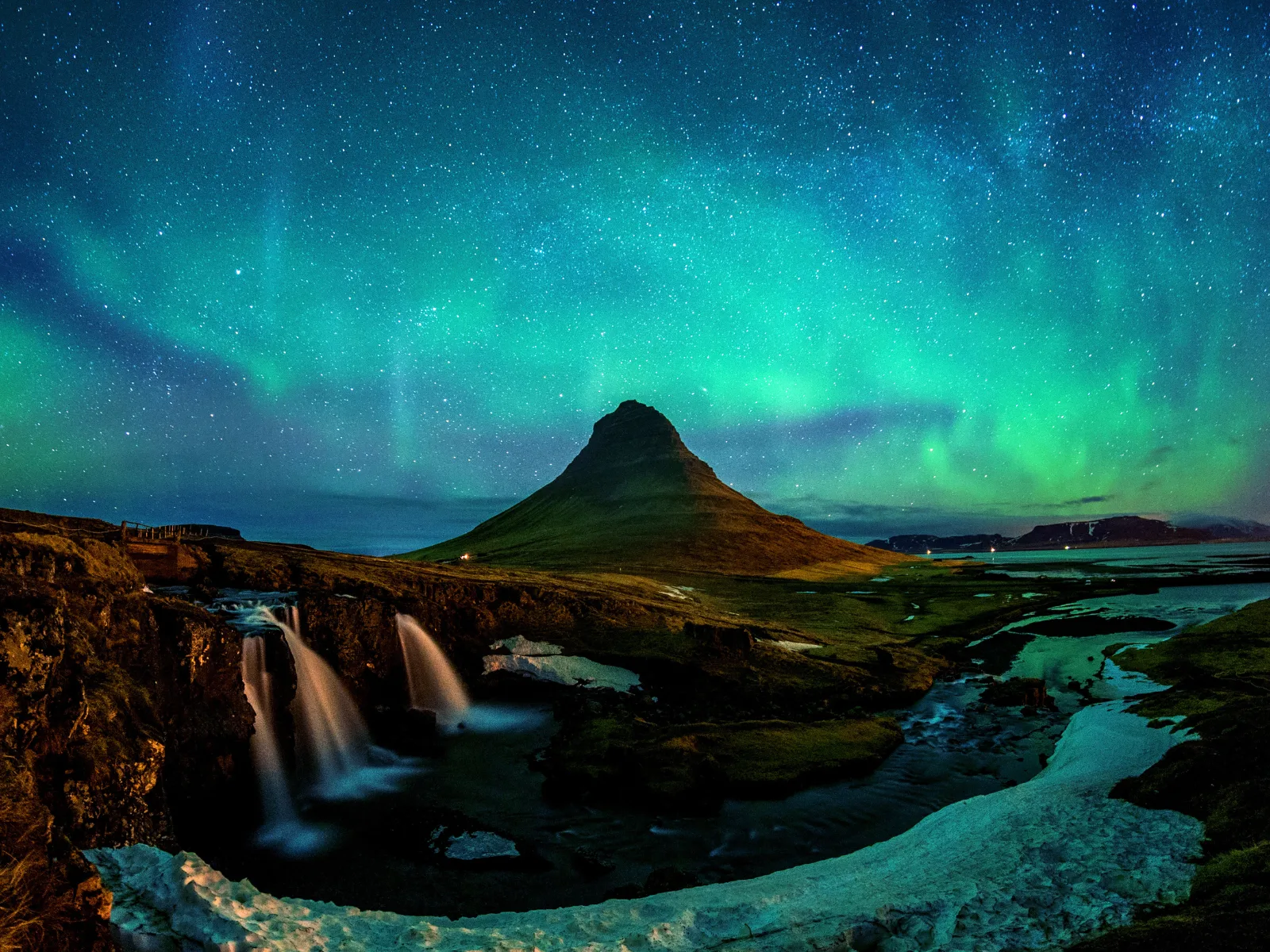
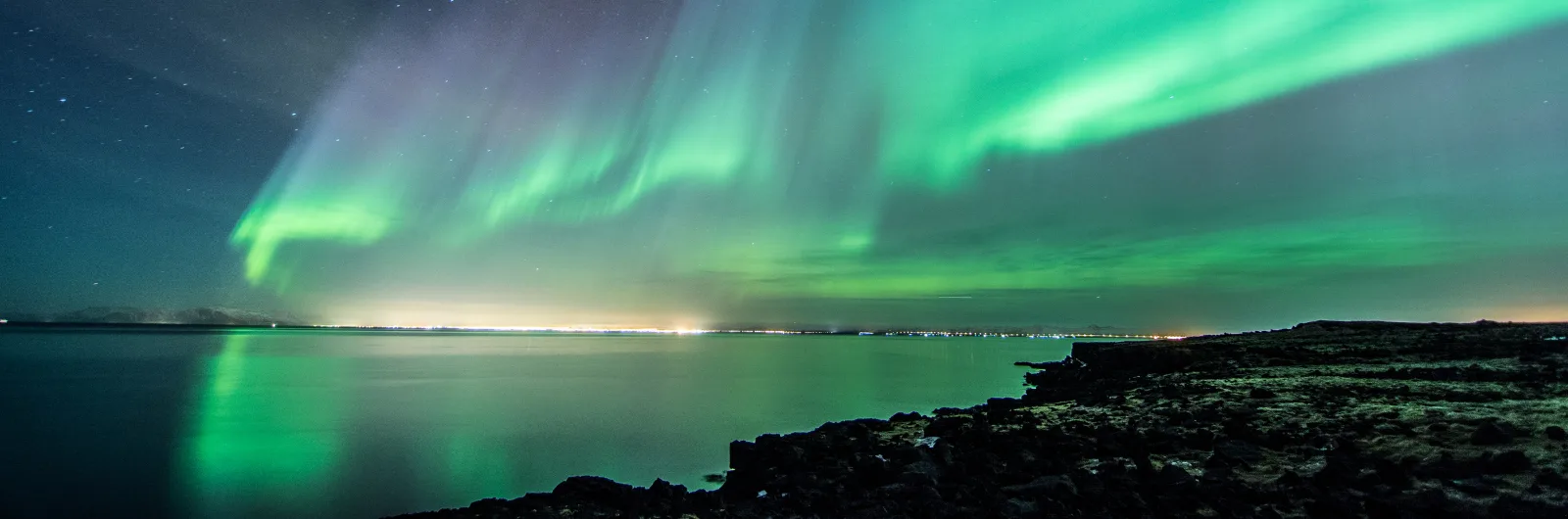
The first serious Atlantic storm of autumn typically reaches Iceland sometime in October: a low-pressure front bringing forty-knot winds and horizontal rain for two or three days, followed by a calm period that can be extraordinarily clear. Northern lights on an October night after a storm — with a washed sky and the KP index elevated by residual solar activity — are why October has its advocates among landscape photographers. Icelandic autumn gives nothing away. But when it delivers, it does so without reservation.
What October has that the rest of the year does not
The probability of northern lights in October is the highest of the year, comparable only to March. Nights in Reykjavík exceed twelve hours; in the north they can reach fourteen. The solar activity of the maximum cycle that began in 2023 remains elevated. And the sky, when it clears after the frequent storms, has a transparency that summer’s humidity cannot match.
Prices in October are low-season prices: a European flight to Reykjavík can cost between forty and sixty percent less than in July. Hotels apply rates that rarely exceed half of what they charge in August. Reykjavík restaurants have shorter waits, museums have no queues, and car rental has availability without competition.
The tourists are gone. The Ring Road carries the traffic of a secondary road on a weekday. The car parks at Seljalandsfoss and Skógafoss, which fill before nine in the morning in July, have spaces in October at any hour. This kind of solitude is one of the hardest things to find in Iceland in summer and one of the easiest in autumn.
What October takes away
The Highlands are closed in October. The interior F-roads receive snow at some point in September or early October, and once closed they do not reopen until June or July of the following year. Landmannalaugar, Kerlingarfjöll, the Kjölur route and the entire high-mountain track network are inaccessible. The Laugavegur huts are closed. For anyone whose goal was the coloured volcanic interior, October arrives too late.
Campsites in small Ring Road towns begin closing in October — some at the start of the month, others mid-month. Anyone planning to camp in October should verify with the specific campsite that it is still operating. Rental campervans remain available, and some have heating that makes the cold October nights manageable, but supporting facilities are scarcer.
The average temperature in Reykjavík in October is four to eight degrees, with wind gusts that make the wind chill significantly lower. Clear October days can be unusually pleasant — low golden sun, no humidity, with the reddish tones of the autumn landscape — but they are exceptions to be grateful for when they appear, not conditions that can be anticipated.
The réttir and the sheep
October sees the completion of the réttir: the roundup of sheep from the interior mountains down to the valleys. Icelandic sheep spend summer grazing freely in the highlands without fences, sharing the interior with the other large herbivores in the country — which is to say, none, because Iceland has no native land predators. In autumn, farmers from each area coordinate to gather the animals into large circular corrals called réttir, where sheep from different owners are sorted by ear markings. In some parts of the north and east, the réttir has the character of a local celebration: neighbouring farmers help each other and the day ends with shared food. It is an ancient agricultural ritual that says something real about Iceland’s historical social organisation.
The Ring Road in autumn: what changes and what doesn’t
The Ring Road is paved and accessible in October, but driving conditions change relative to summer. Winter tyres are mandatory in Iceland from 1 November and advisable from October, especially in the north and east where snow can appear on the road with little warning. Car rentals in October typically include winter tyres without extra charge — worth confirming with the operator.
The south coast waterfalls — Skógafoss, Seljalandsfoss — are at their highest flow in October due to autumn rainfall: more water, more noise, more impact. The path behind Seljalandsfoss can be wet and slippery in October; good-grip mountain boots are generally recommended but specifically necessary in autumn.
What Iceland in autumn does not offer, at any point in the month, is guarantees — of weather, of northern lights, of anything. What it does offer is an honesty about its own conditions that summer, with its perfectly oiled tourism industry, can make you forget.
The complete Far Guides Iceland guide includes detailed routes across the whole island, interactive maps and all the practical information you need to plan your Ring Road and beyond.
More on Iceland
Keep reading.
Other pieces from the same destination.


Next step
Ready for Iceland?
The guide is for travelling.
Offline maps, itineraries and everything that doesn't fit in an article.
Get the Iceland guide