



Egypt · 11 September 2026
Solo travel in Egypt: what nobody tells you
Solo travel in Egypt is perfectly possible but requires preparation that standard guides don't give. Vendor pressure, baksheesh, transport and real safety considerations.

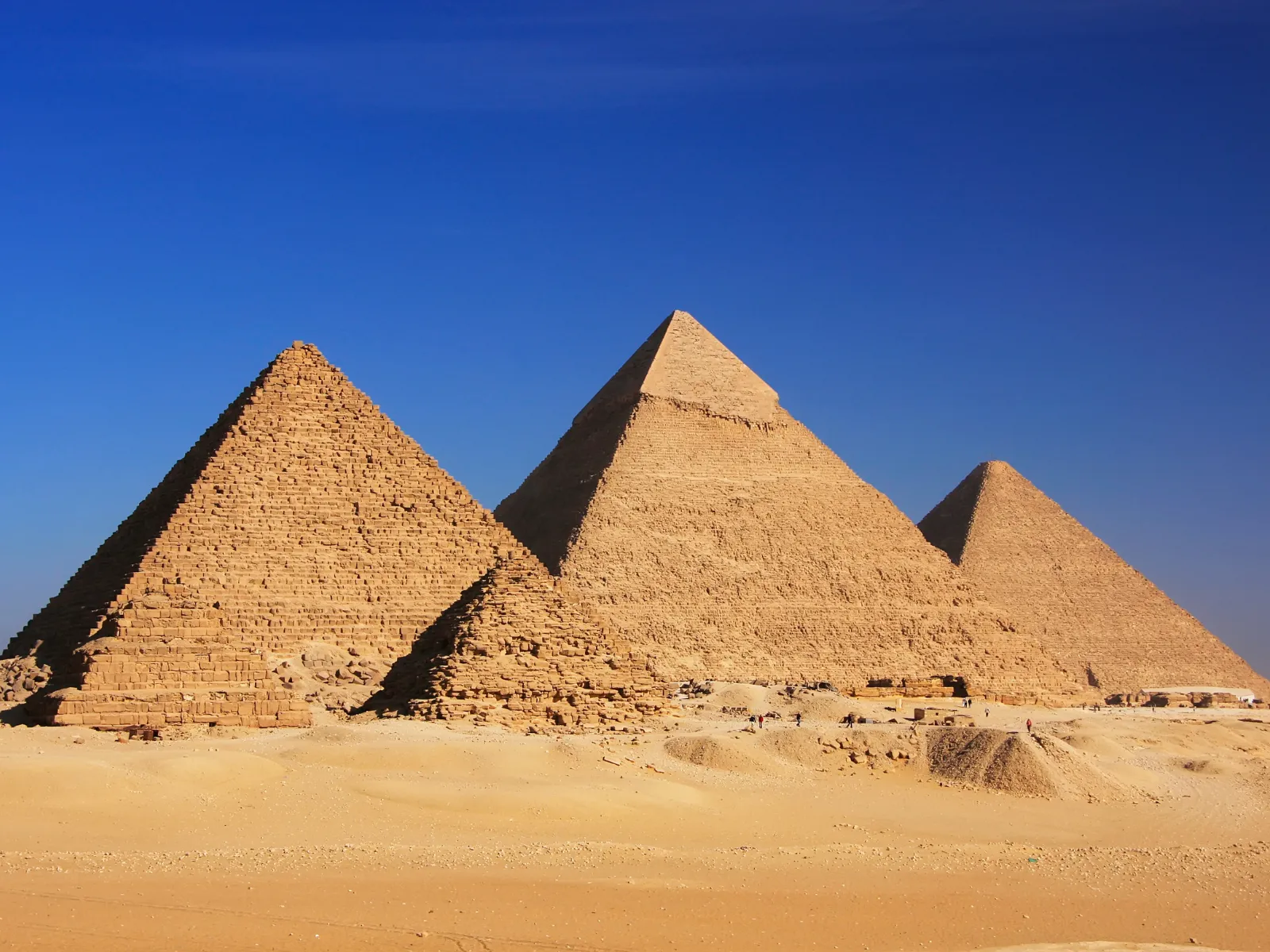
The first time a traveller sets foot on the Giza plateau without a guide or group, without anyone having told them exactly what to expect, something fairly predictable happens: within thirty seconds someone approaches with a smile, asks where you’re from, mentions a cousin in your city, and offers to take you by camel “just to see the pyramids from the other side.” If you accept, you will pay considerably more than expected for an experience you didn’t request. If you decline with hesitant politeness, the conversation will extend. Egypt requires a kind of social firmness that doesn’t come naturally to all travellers but is learned quickly.
Vendor pressure: understanding the system
The vendor pressure at Egypt’s major monuments — Giza, Khan el-Khalili, the Luxor waterfront — is real, systematic and not malicious. It is an economic system. The souvenir sellers, unofficial guides, calèche drivers and camel operators operate within an economy that depends almost entirely on tourism, and tourism in Egypt arrives in organised groups that rarely buy from them. The independent traveller is a target because they appear free to make decisions.
The technique that works is one: say “la shukran” (no, thank you, in Arabic) clearly and continue walking without reducing speed. There is no need to be rude; nor is there any need to explain anything. Explanation prolongs the interaction. The gesture of stopping and listening, even to say no, signals availability and multiplies the insistence. With practice, most travellers find that the first hour at Giza is the hardest and that afterwards the system becomes manageable.
Baksheesh as part of the system
Baksheesh is not a scam: it is a tip that forms part of the economic system of Egyptian tourism. Monument guards, luggage porters, those who “help” you find the way, the informal ferrymen who cross the Nile in small villages — all expect a small tip for their service, especially if that service was implicitly though not verbally requested. The usual amount ranges from 10 to 50 Egyptian pounds (less than a dollar) for a small service.
The system has its logic: a monument guard’s salary in Egypt is around 2,000 to 3,000 pounds a month, and tourist baksheesh can double or triple that income. It is not corruption in a political sense; it is an informal redistribution of tourism money. Always carrying small coins and notes in a pocket (not a wallet) avoids the situation of having to display all your cash while searching for the right change.
Independent transport
Trains in Egypt are good on the main Cairo-Luxor-Aswan line. They are cheap (under ten euros in standard class for the 12-hour overnight journey from Cairo to Luxor), reasonably punctual and far more comfortable than buses. Foreigners theoretically cannot buy certain trains (special services reserved for Egyptians), though in practice the rule is applied variably. The Turbo Express trains are the fastest and do accept foreigners; they can be bought at the ticket office or through the Egyptian online booking system.
In Cairo, Uber and Careem work well and are the simplest way to get around without negotiating prices. In Luxor and Aswan, the negotiated taxi is the norm; the price is agreed before you get in, never after. A useful rule: if the driver won’t state a price before departure, find another one.
For women travelling solo
Male attention towards solo female travellers in Egypt is real, especially in the country’s interior. It is rarely dangerous but can be wearing. Dressing with shoulders and knees covered — not as a moral imposition but as pragmatism — significantly reduces the frequency and intensity of unwanted attention outside tourist contexts. In Cairo, in the Red Sea resorts and in the hotels of Luxor and Aswan the atmosphere is more relaxed.
Well-reviewed hostels in Cairo (Meininger, Bob’s Backpackers in Zamalek, several in Garden City) are the usual meeting point for independent travellers and the most efficient way to find travel companions. Women travelling alone consistently report that the key is maintaining confident body language and a purposeful pace: looking like someone who knows where they are going considerably reduces unwanted attention.
Real safety
The level of violent crime in Egypt’s tourist areas is extremely low. Pickpockets exist in very crowded markets, but at a much smaller scale than in comparable European cities. Tourists are not targets for violent robbery. The threat that exists is economic: price scams, unauthorised guides who lead to commission shops, taxis that change an agreed price. This threat is manageable with prior information and polite firmness.
The complete Far Guides Egypt guide includes detailed Nile Valley routes, interactive maps and all the practical information you need to plan your independent trip.
More on Egypt
Keep reading.
Other pieces from the same destination.


Next step
Ready for Egypt?
The guide is for travelling.
Offline maps, itineraries and everything that doesn't fit in an article.
Get the Egypt guide