


Thailand · 22 May 2026
Pai: northern Thailand's valley and the road of 762 curves
How to get to Pai from Chiang Mai, what to see in the valley, the motorbike route through Mae Hong Son, and why this village remains special despite its fame.

Pai lives a paradox. It is one of the best-known villages on the northern Thai backpacker circuit for the past twenty years, which has filled its streets with vegan cafés, tattoo parlours and travellers in loose harem pants; at the same time, the valley around it — mountainous, green, with waterfalls, hot springs, and crossed by a river — remains one of the most beautiful areas in Thailand. The tension between village-Pai and valley-Pai is the central fact to keep in mind: in two days you can do the village and get bored, or you can use the village as a base to discover the valley and leave with the sense of having seen a Thailand few people see.
How to get there: route 1095 and its 762 curves
The route to Pai from Chiang Mai is already an experience in itself. It is 135 kilometres of mountain road with 762 counted curves, crossing the Huai Nam Dang National Park. Three transport options:
Minivan. The most common. Aya Service, Prempracha, Srimungmuang. Leaving hourly from Chiang Mai (Arcade district), 3 hours, 150-200 THB. Vehicles are compact and drivers usually go fast. If you get motion sickness, take a pill before leaving and sit up front. It is the cheapest and most reasonable option if you do not ride motorbikes.
Own motorbike. If you have an international A-class licence, renting in Chiang Mai and riding to Pai is one of Southeast Asia’s most celebrated motorcycle routes. 4 hours with stops, with views that open as you cross the pass. The route is safer than it sounds — the road is well-paved and has safety barriers — but requires experience. Extra caution in the rainy season (June to October): curves become treacherous.
Plane. Kan Air runs daily Chiang Mai-Pai flights of 25 minutes. The price (1,500-2,500 THB) is high for the distance, but spares the curves to those who get very ill.
An interesting middle ground: arrive by minivan, rent a motorbike or scooter in Pai (100-200 THB per day) to move around the valley, and return by minivan.
The village: one day is enough
Pai village is walked end to end on foot in two hours. The main street, Walking Street, is pedestrian in the afternoon and becomes a night market with live music, food stalls (international more than Thai, inflated prices) and hippie clothing shops. It is picturesque the first night. The second night it tires.
Village landmarks: the Chedi Luang at the start of the street (small but photogenic), the Memorial Bridge of the Second World War (built by the Japanese during the occupation), and the Pai River with its riverbank restaurants. Nothing essential but all nice for an afternoon walk.
Dinner is worth having at Chew Xin Jai (Thai vegetarian), Charlie & Lek (traditional northern Thai), or Witching Well (Western cuisine with atmosphere). For breakfast, Coffee in Love on the hill or All About Coffee in the village.
The valley: the reason to stay
Pai gets interesting when you leave the village. The valley has a series of spots that can be chained in a day by motorbike — the classic route for those with more time:
Pai Canyon (Kong Lan). Trails running along a rocky ridge with vertical drops on both sides, sometimes just a metre wide. At sunset it is impressive. 8 km south of the village. Free entry. Wear shoes with grip; the ridges are narrow and the sun dries the ground.
Mae Yen and Mor Paeng Waterfalls. The first requires an hour’s walk along the river (in rainy season it can be difficult); the second is accessible by motorbike, with several levels of natural pools. Mor Paeng is more touristy but easier.
Pai Hot Springs (Tha Pai). Thermal baths with several pools at different temperatures. Entry 300 THB for foreigners (40 THB for Thais). Better towards sunset when the day’s heat eases.
Santichon Chinese Village. Village founded by Chinese Kuomintang exiles in the 1940s. Today it is mostly touristy but preserves rammed-earth architecture and a viewpoint over the valley. Groups arrive in waves; going outside peak hours (7-9 am) helps.
Yun Lai Viewpoint. Elevated viewpoint over the valley, especially at sunrise with a sea of clouds. Access is via a dirt track going up; ride carefully on the motorbike.
Tham Lod Cave. 50 km north of Pai towards Mae Hong Son. A huge cave crossed by a river, with prehistoric Lawa cave paintings and wooden coffins. Traversed on bamboo raft with a local guide. One of the most peculiar experiences in the north. Takes half a day because of distance.
The big loop: Mae Hong Son circuit
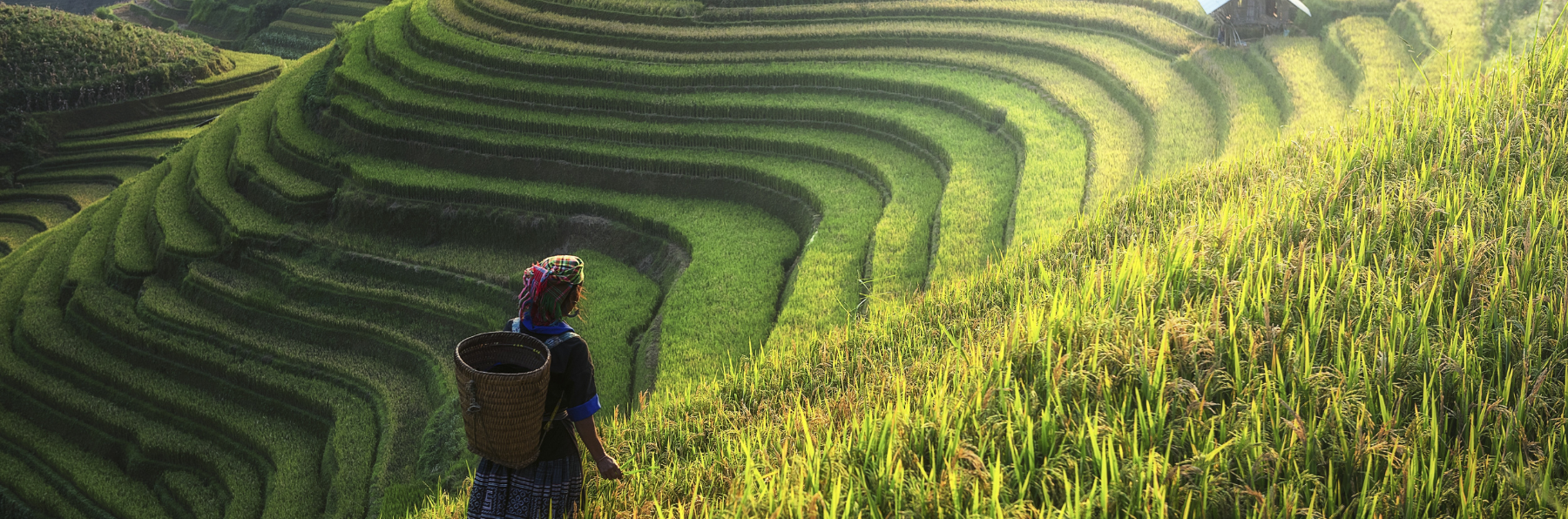
For those with five or six days and experienced motorbike skills, there is the Mae Hong Son loop: Chiang Mai → Pai → Mae Hong Son → Mae Sariang → Chiang Mai. 600 kilometres in total, most of it spectacular mountain road. It is done in three or four stages with stops in Shan villages, waterfalls, rice terrace valleys and the Doi Pui Luang viewpoint.
It is one of Southeast Asia’s most celebrated motorcycle routes. Requires experience, insurance, and preferably two people to share risk and fuel. Not recommended for novice riders.
When to go
The best time for Pai is November to February: mild temperatures (5-10 degrees at night, 20-25 daytime), clear skies, the valley at its greenest after the rains. March and April are burning season and extreme heat, avoid. June to October is rainy season: fewer tourists, lower prices, but waterfalls are at dangerous flow and the motorbike route is riskier.
How many days
The honest answer:
- One day: not worth it. The route eats most of the day and only the village is seen.
- Two nights (three days): the common choice. Soft arrival day, one full day in the valley, return day.
- Three-four nights: the ideal if you have a motorbike. Lets you do Tham Lod and an extra loop without rush.
- A week: for those wanting to do the full Mae Hong Son loop or stay writing in cafés, which is not a bad choice.
For lodging, options are many: cheap bungalows with shared bath (200-500 THB), cosy guesthouses (600-1,200 THB), boutique valley-view resorts (2,500-5,000 THB). Belle Villa Resort and Pai Country Hut have good reputations.
The full Far Guides Thailand guide includes a detailed Pai valley map with coordinates for waterfalls, viewpoints and hot springs, as well as the Mae Hong Son loop by stages.
More on Thailand
Keep reading.
Other pieces from the same destination.


Next step
Ready for Thailand?
The guide is for travelling.
Interactive maps & itineraries and everything that doesn't fit in an article. Always the latest published version.
Get the Thailand guide