Iceland · 23 August 2026
Iceland in summer: the midnight sun and what it changes about everything
In June, the sun doesn't set in Iceland. In July and August it sets for 3-4 hours but the sky stays light. This changes how you travel, how you sleep and how you photograph.

On 21 June, the summer solstice, the sun sets in Reykjavík at 00:04 and rises again at 02:55. What lies between is not night: it is a long, golden twilight that never fully darkens. In Akureyri, sitting exactly on the Arctic Circle, the sun does not set at all. The fact that the sky stays light for weeks has consequences for travel that go beyond the anecdotal — they affect schedules, sleep, the perception of time and the organisation of every day.
What the midnight sun does to the body
The first effect is energy: with no darkness to signal the end of the day, the body does not produce melatonin normally, and the result is that at eleven at night there is still an appetite for driving, walking and exploring. The second effect, arriving a few days later, is accumulated fatigue: having “made the most” of the light until two in the morning means insufficient sleep, and the third day of the trip carries a heaviness that no one anticipated. Travellers who know this bring an eye mask and make conscious decisions about when to stop, regardless of what the sky says.
Service hours in Iceland adapt to the midnight sun in summer: restaurants serve dinner until eleven, supermarkets run extended hours, whale-watching tours offer eight o’clock evening departures because the light is still perfect for sighting. This gives a planning flexibility that winter does not offer, and it partially compensates for the loss of northern lights that summer brings with it.
The temperature nobody anticipates
The Icelandic summer is cool, not warm. Reykjavík has an average temperature of twelve to fifteen degrees in July, with highs that rarely exceed twenty. Wind and rain can arrive at any point and turn a fifteen-degree afternoon into a ten-degree afternoon that feels like five. A warm layer and a waterproof jacket are seasonal essentials even in high July. Visitors who arrive with a Mediterranean summer suitcase, guided by the assumption that “summer” means warmth, are the same ones filling Reykjavík shops for hats and fleeces on the second day.
The flowers and the debate they generate
In June and July, purple lupins cover Iceland’s fields and valley slopes with a density that is photographically irresistible. The contrast between the vivid violet of the flower and the surrounding black lava is exactly the kind of image that ends up on travel magazine covers. The lupin is also the centre of one of Iceland’s most active ecological debates. The plant (Lupinus nootkatensis) was introduced in the 1950s to counter soil erosion — a serious problem in Iceland given the scarcity of tree cover and the fragility of the moss. It worked: lupins fix nitrogen in the soil and stabilise slopes. But they also compete aggressively with native flora and have colonised areas that previously supported more diverse plant communities. The Icelandic Environment Agency has an active lupin control programme in protected zones, while much of the tourism industry uses it as brand imagery. The debate reflects a broader tension about managing a country that receives two million visitors a year with a population of 380,000.
What only opens in summer
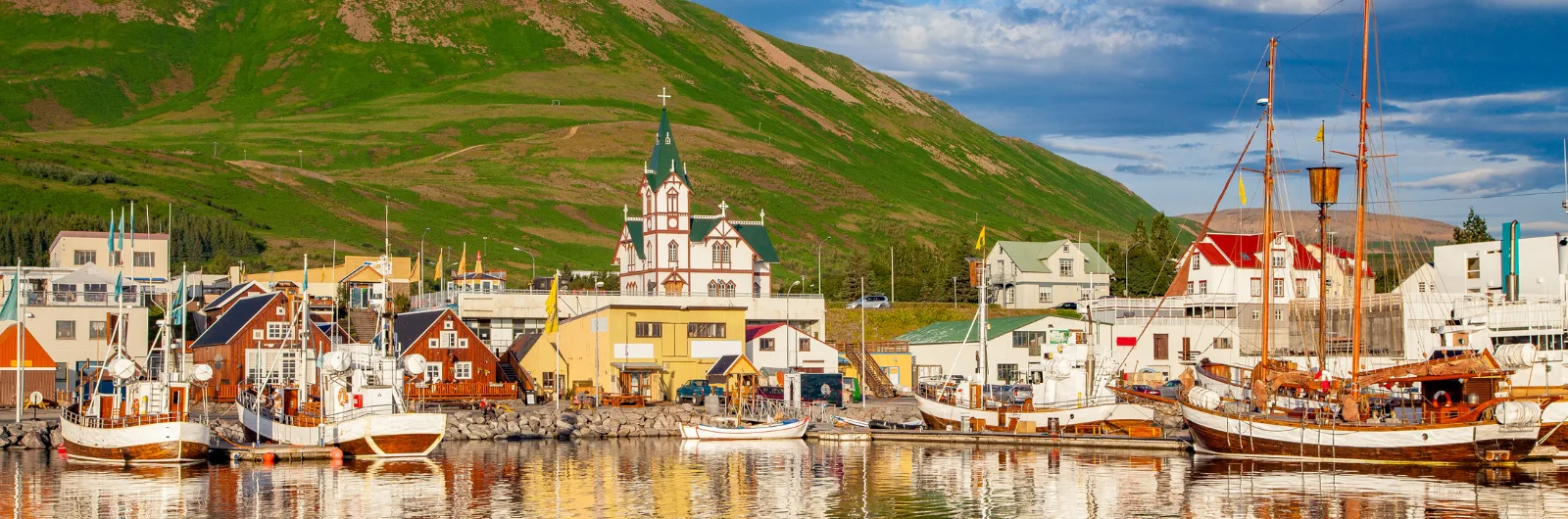
Iceland’s interior, the Highlands, is accessible only between July and early September, when the F-roads can be cleared of snow and ice. This means Landmannalaugar, Kerlingarfjöll, the Kjölur route and Sprengisandur only exist as destinations during those eight or nine weeks. Puffins occupy the cliffs at Látrabjarg, Ingólfsfjörður and Borgarfjörður eystri from May to August, with the colony at its peak in June and July. Húsavík whale sightings are at maximum activity. The Laugavegur is open with its huts. Campsites operate at full capacity.
What there is not in summer
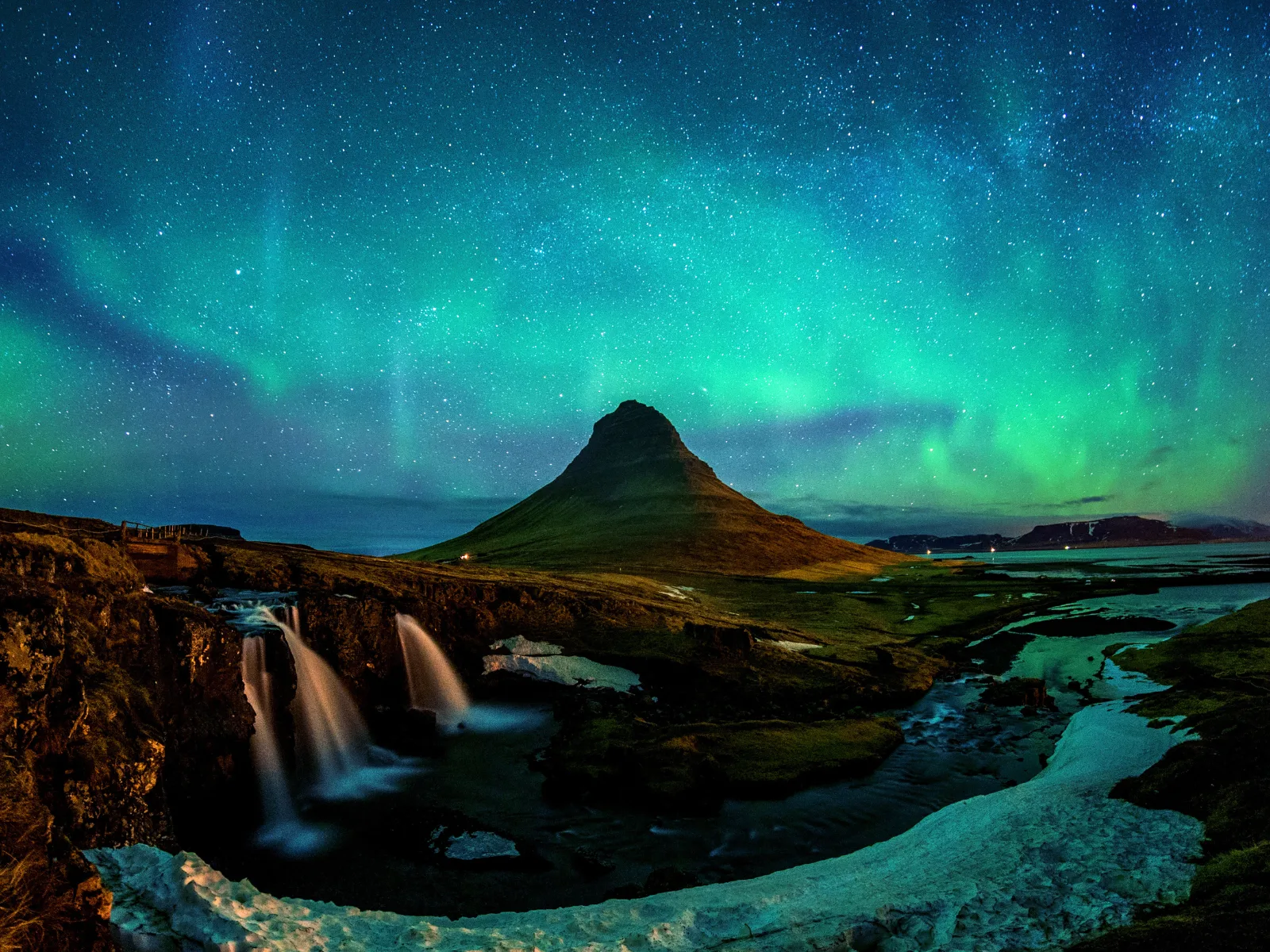
Northern lights. The silence of campsites outside season. Reasonable prices: July and August are the most expensive months of the year for hotels, flights, car rental and tours, with margins up to double the low-season rates. An open road: the Ring Road in July has the traffic of a European main road on a bank holiday weekend, especially between Reykjavík and the south coast. Those expecting solitude should reconsider early June or September.
The complete Far Guides Iceland guide includes detailed routes across the whole island, interactive maps and all the practical information you need to plan your Ring Road and beyond.
More on Iceland
Keep reading.
Other pieces from the same destination.


Next step
Ready for Iceland?
The guide is for travelling.
Offline maps, itineraries and everything that doesn't fit in an article.
Get the Iceland guide