

Thailand · 25 September 2026
Thailand or Vietnam: how to choose between the two Southeast Asian giants
Two neighbouring countries, two very different experiences. Honest comparison of climate, food, prices, ease, beaches and culture for undecided travellers.

In any conversation about a first trip to Southeast Asia, the same question eventually comes up: Thailand or Vietnam? They are the two destinations that attract most travellers in the region, are a few flight hours from each other and seem, for someone who has been to neither, similar destinations: Buddhist temples, exotic food, tropical beaches, night markets, stunning landscapes. But anyone who has travelled through both knows they are profoundly different experiences, and choosing one or the other — or combining them, if you have time — depends on what exactly you are looking for.
This guide does not aim to convince that one is better than the other: both are extraordinary. It aims to help identify which fits better with your specific trip.
Tourist infrastructure
Thailand wins here, clearly. Five decades of mass tourism have built extraordinarily efficient infrastructure: cheap and frequent domestic flights, comfortable VIP buses, functional overnight trains, hotels at all levels practically anywhere. English presence in tourist services is high, Grab works in all major cities, island ferries are reliable, private healthcare is international-level.
Vietnam is 15-20 years behind. Trains are slow (though sleepers have their charm), overnight buses are sometimes adventurous (sleeper buses are comfortable but schedules are not always met), internal flights are cheap but less frequent, and accommodations can vary widely in quality in rural zones. English is less widespread outside main tourist zones.
Conclusion: if you don’t want to complicate things too much — first trip to Asia, family with small children — Thailand is simpler. If you enjoy logistical challenge as part of the trip, Vietnam enriches.
Climate and seasons
Thailand has a clear dry season (November-March) across the country, with small variations by coast (Gulf and Andaman islands have opposite calendars). In the rainy season, many zones are still visitable with sun windows.
Vietnam is climatically more complex due to its elongated shape: the north (Hanoi, Sapa) has cold winters (October-April) and hot summers with rain; the centre (Hoi An, Hue) has typhoons in autumn (September-December); the south (Ho Chi Minh, Mekong) has two seasons (dry November-April, rain May-October). Finding an “ideal time for all Vietnam” is difficult.
Conclusion: Thailand is more predictable climatically. Vietnam will force you to prioritise zones by your trip’s season.
Landscapes
This comparison has no clear winner because the landscapes are completely different:
Thailand stands out in:
- Tropical beaches (Andaman and Gulf): limestone cliffs, white sand, accessible snorkel.
- Monsoon jungle (Khao Yai, Khao Sok): large fauna (wild elephants, gibbons).
- Northern hills (Pai, Mae Hong Son): open panoramas with ethnic villages and plantations.
Vietnam stands out in:
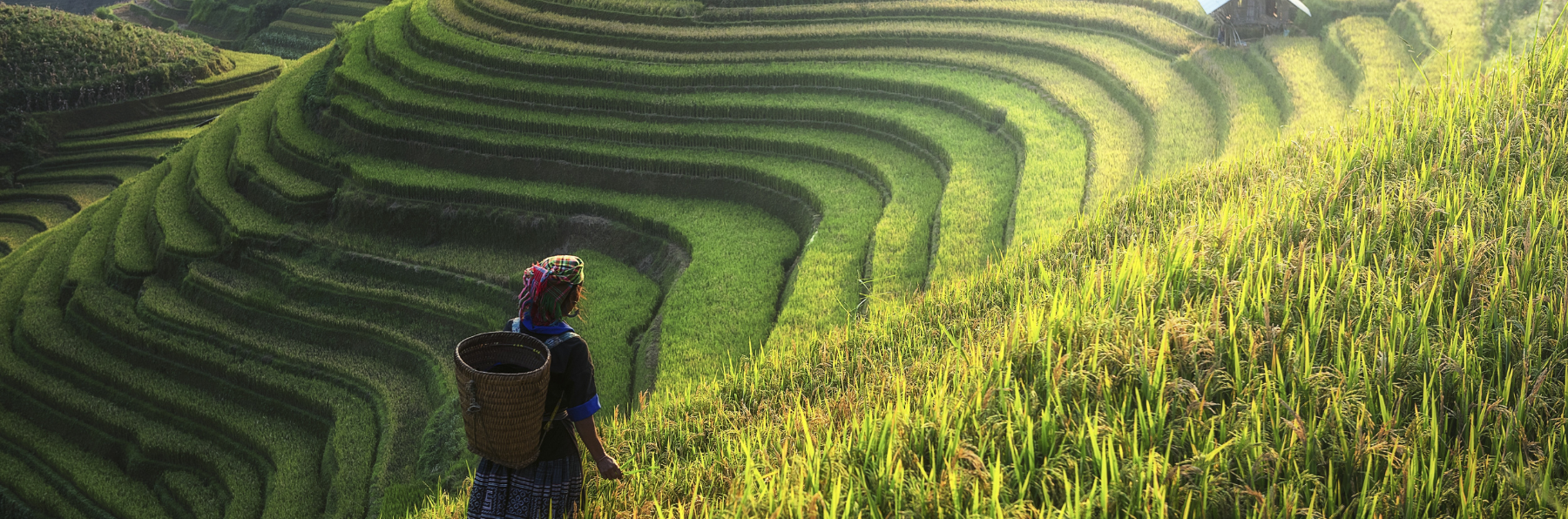
- Terraced rice (Sapa, Mu Cang Chai): spectacular in harvest season (September-October), unique in the world.
- Ha Long Bay and Lan Ha Bay: karst islets in the sea. Nothing comparable in Thailand.
- Grottoes and caverns (Phong Nha, Hang Son Doong): the world’s largest caves.
- Mekong Delta: canals, real floating markets, rural fabric.
Conclusion: for beach and jungle, Thailand. For agricultural rural landscape, spectacular mountain and caves, Vietnam.
Food
Both cuisines are world heritage and a weighty reason to visit the countries.
Thailand: spicier, more coconut-milk curries, greater variety of fish and seafood (being more maritime), Indian and Malay influence in the south. Street food is probably the world’s best.
Vietnam: more subtle, more fresh herbs, less spicy (except in the centre), more broths (pho, bun bo hue), more rice paper. Vietnamese coffee, bread (bánh mì, French heritage) and the tradition of soup breakfast are unique.
Personally: Vietnamese food is more amicable day-to-day (less spicy, more balanced); Thai food is more intense and memorable. If you really like spice, Thailand. If you prefer nuance and freshness, Vietnam.
Conclusion: technical tie. Both are gastronomic paradises.
Prices
Thailand is today more expensive than Vietnam in almost everything.
Mid accommodation: Thailand 1,500-3,000 THB (€35-75), Vietnam 500,000-1,200,000 VND (€19-46). Street food: Thailand 50-100 THB (€1.20-2.50), Vietnam 30,000-60,000 VND (€1.15-2.30). Transport: similar in bus and train, but domestic flights in Thailand have a wider network (AirAsia). Alcohol: beer Thailand 60-90 THB (€1.50-2.20), Vietnam 20,000-50,000 VND (€0.75-1.90). Vietnam wins clearly.
Conclusion: Vietnam is approximately 30-40% cheaper than Thailand for a similar travel style.
Culture and history
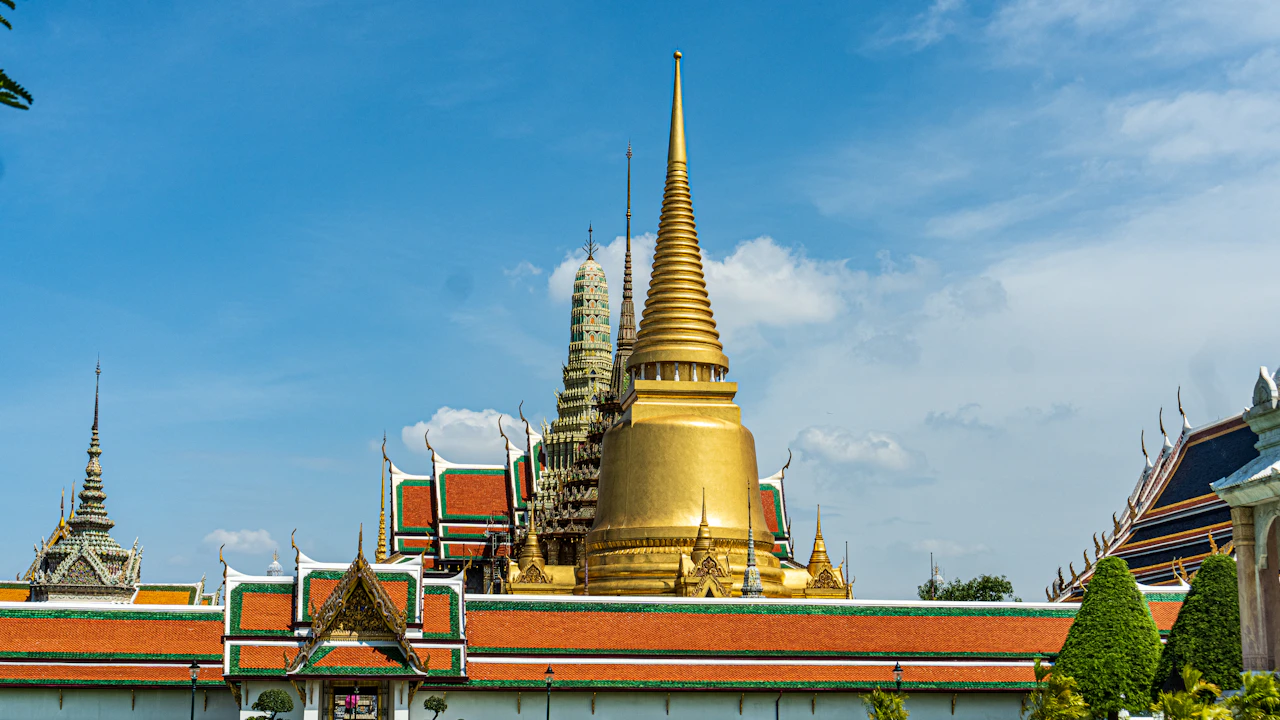
Thailand: homogeneous Theravāda Buddhist country (95%), with a visible and venerated monarchy, very present religious architecture (temples everywhere) and a clear cultural identity based on not-having-been-colonised.
Vietnam: more secular Confucian-Buddhist country, with a history marked by French colonisation, the Vietnam War and recent communist development. Colonial architecture visible in Hanoi, Saigon and Hoi An. Mix of strong regional identities (Hanoi vs. Saigon are almost two cities in different countries).
For visitors interested in Buddhist architecture and active temples: Thailand wins. For visitors interested in colonial architecture and 20th-century modern history: Vietnam wins.
Ease for first time in Asia
First time in Asia, 2 weeks: Thailand, no doubt. Easier logistically, more infrastructure, gentler learning curve.
Second time in Asia or experienced traveller, 3+ weeks: Vietnam is more rewarding because it demands more and gives more.
Combining the two
If you have 4 weeks or more, combining the two is a spectacular option. Bangkok-Hanoi, Bangkok-Ho Chi Minh or Chiang Mai-Hanoi flights are frequent and cheap (1,500-3,500 THB with Vietjet or AirAsia).
A reasonable 28-day itinerary:
- 10 days Thailand (Bangkok + Chiang Mai + island).
- 18 days Vietnam (Hanoi + Sapa/Ha Long + Hoi An + Saigon + Mekong).
Another itinerary: Vietnam as main body (north to south) and 5-7 final beach days in Thailand (Krabi or Phuket).
My recommendation (with nuances)
For young backpackers seeking party and easy beaches: Thailand (Andaman islands or Phangan).
For couples on 2-3 week trip, seeking balance: Thailand is safer as first time.
For families with small children: Thailand, for health infrastructure and ease.
For experienced Asia travellers seeking authenticity: Vietnam.
For photographers and lovers of unique landscapes: Vietnam (rice terraces and Ha Long).
For lovers of active Buddhist culture: Thailand.
For foodies: either. If I must choose, Vietnam for variety and balance, Thailand for intensity and spice.
The full Far Guides Thailand guide includes a detailed comparison with Vietnam, Cambodia and Laos, combined 3-4 week routes and specific tips for those travelling to Southeast Asia for the first time.
More on Thailand
Keep reading.
Other pieces from the same destination.


Next step
Ready for Thailand?
The guide is for travelling.
Offline maps, itineraries and everything that doesn't fit in an article.
Get the Thailand guide