Uzbekistan Guide
Everything you need to travel the Silk Road
Introduction

History

Sogdiana & the Silk Road
The Sogdians, Alexander the Great and the first thousand years of Asia's most important crossroads
The Islamic conquest & golden age
How Islam transformed Central Asia: from the Samanids to the madrasas of Bukhara
The Mongols & Tamerlane
From the destruction of Genghis Khan to the reconstruction of Tamerlane: how Samarkand became the capital of the world
The Khanates: Bukhara, Khiva & Kokand
Three centuries of rival kingdoms, slave trade and the last walled cities of Central Asia
The Great Game, Russia & the Soviet era
From Anglo-Russian rivalry to the Aral Sea catastrophe: how empire transformed Central Asia
Independent Uzbekistan
From Karimov to the tourist opening: the country that is rediscovering its own history
Cities
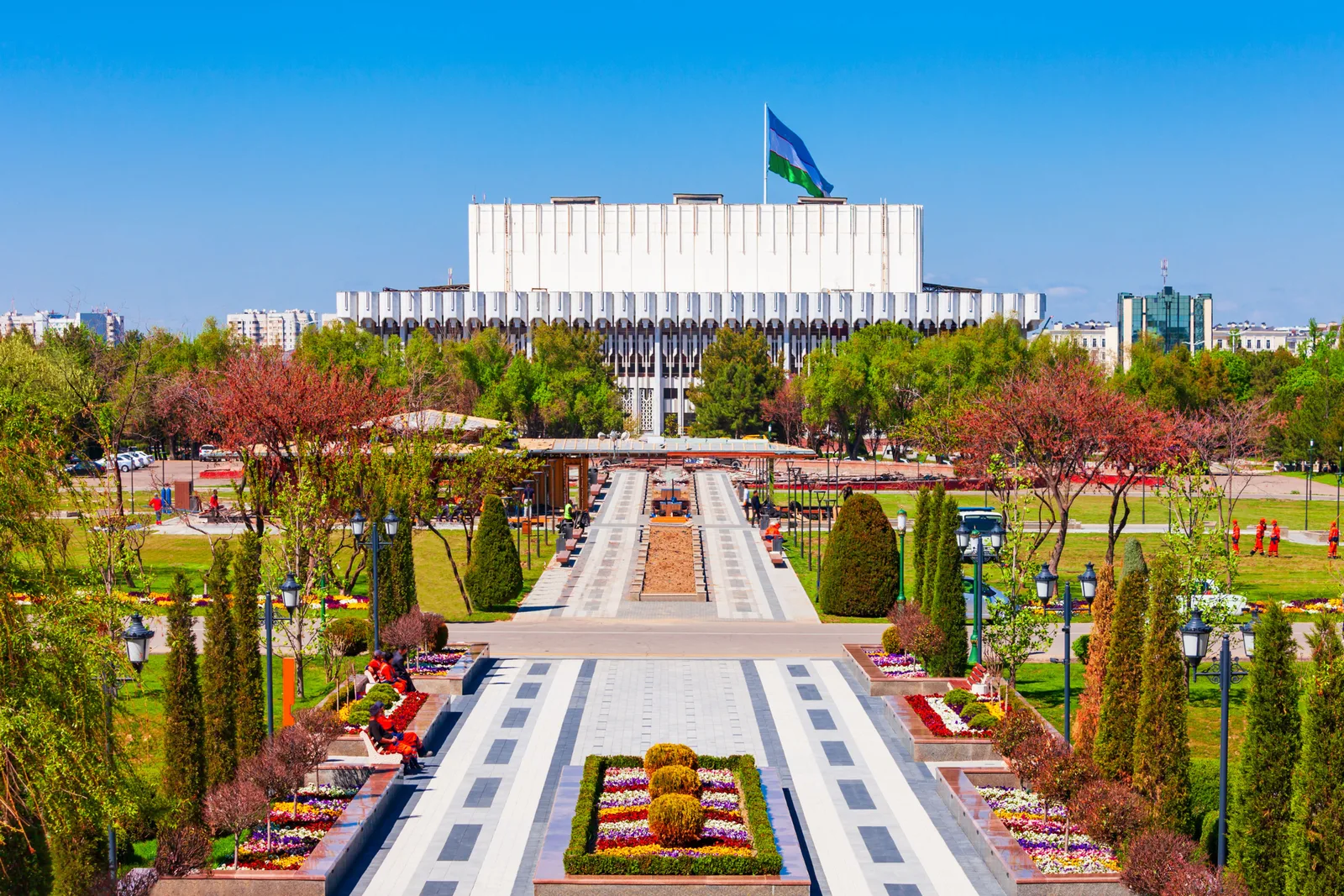
Tashkent
Uzbekistan's modern capital: Soviet metro, Chorsu bazaar and the Amir Temur plaza
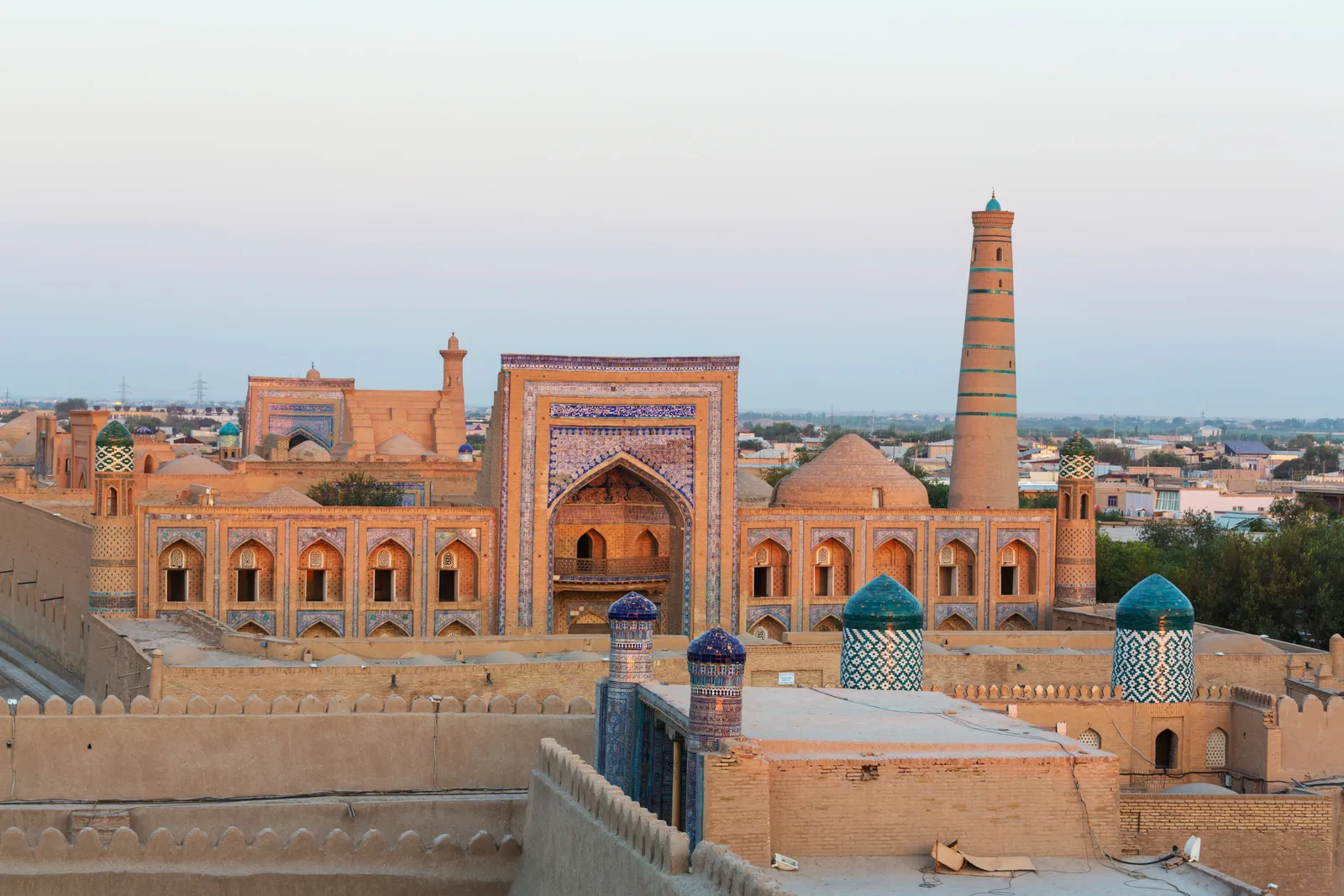
Khiva
The desert's living museum: the most perfectly preserved walled city on the Silk Road
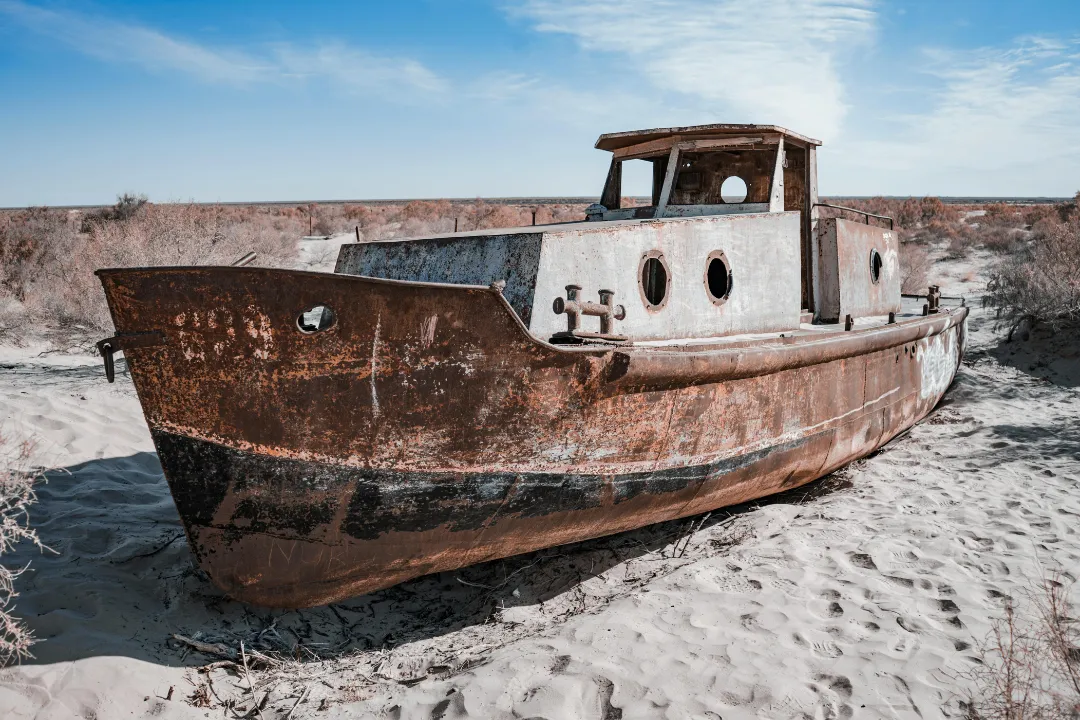
Nukus, Moynaq and the Aral Sea
The 20th century's greatest ecological disaster and Central Asia's most unlikely museum
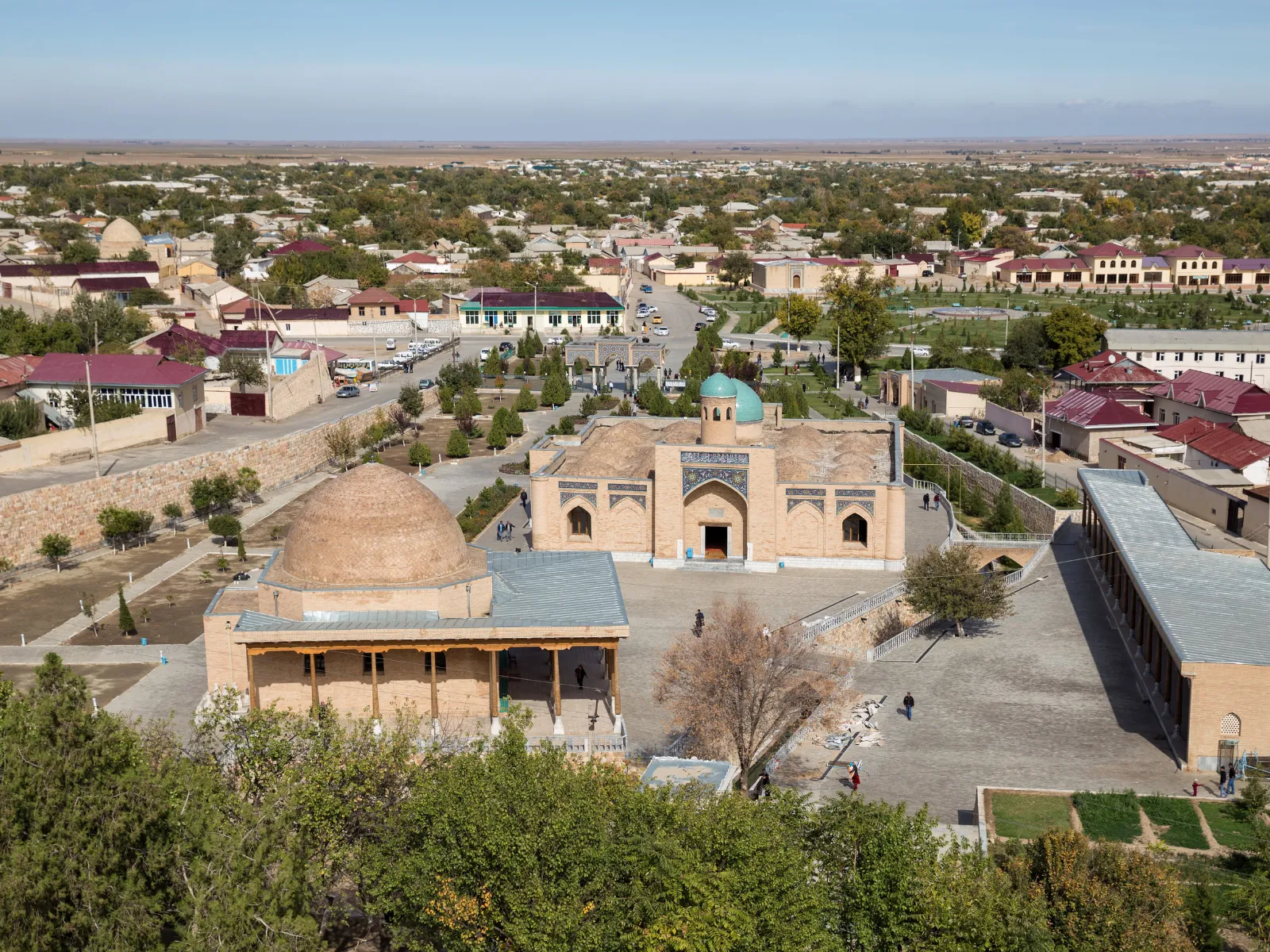
Nurata and the Desert
Alexander's fortress, a sacred spring and nights under the Kyzylkum stars
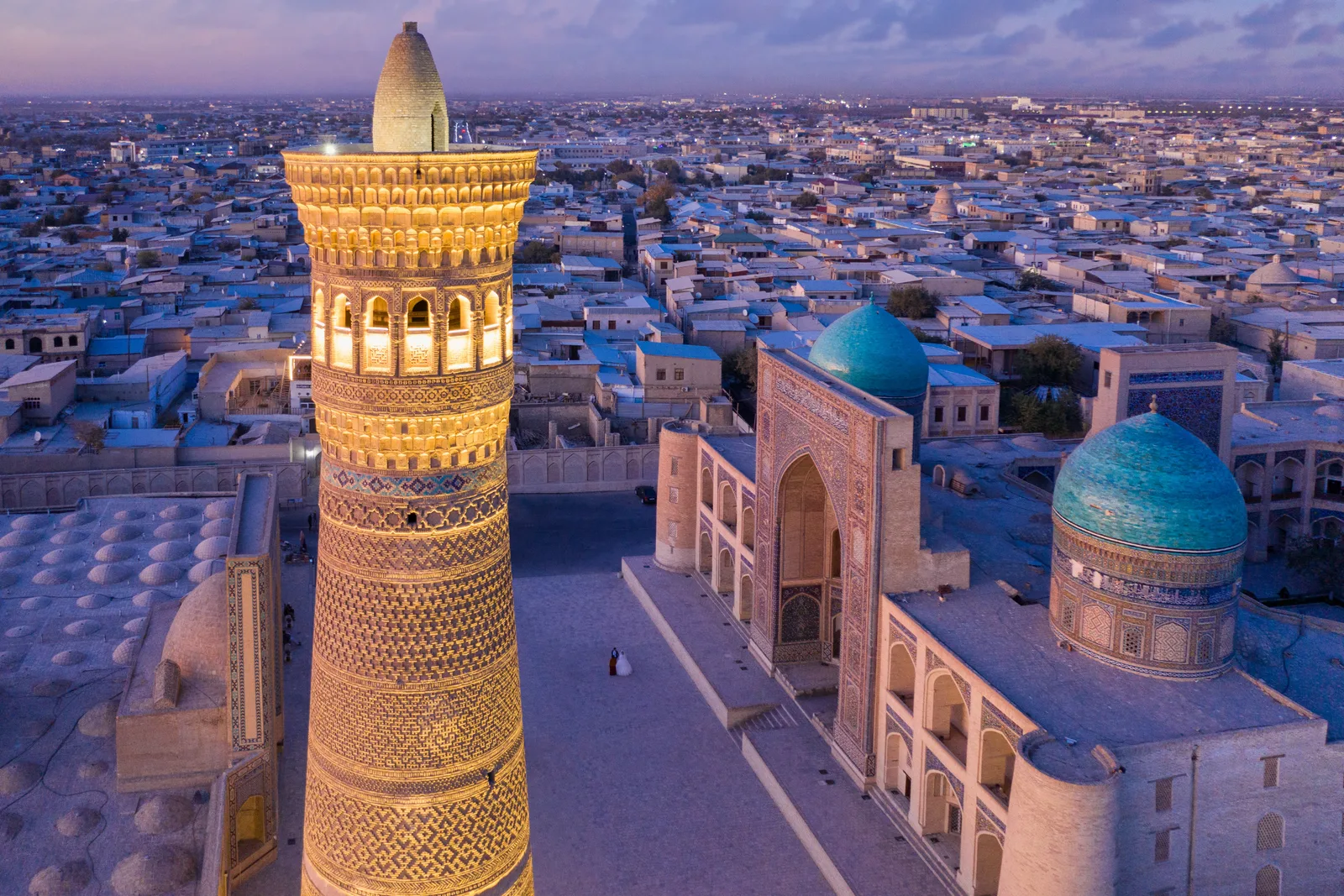
Bukhara
The most authentic city on the Silk Road: mausoleums, medieval bazaars and the Poi Kalon complex
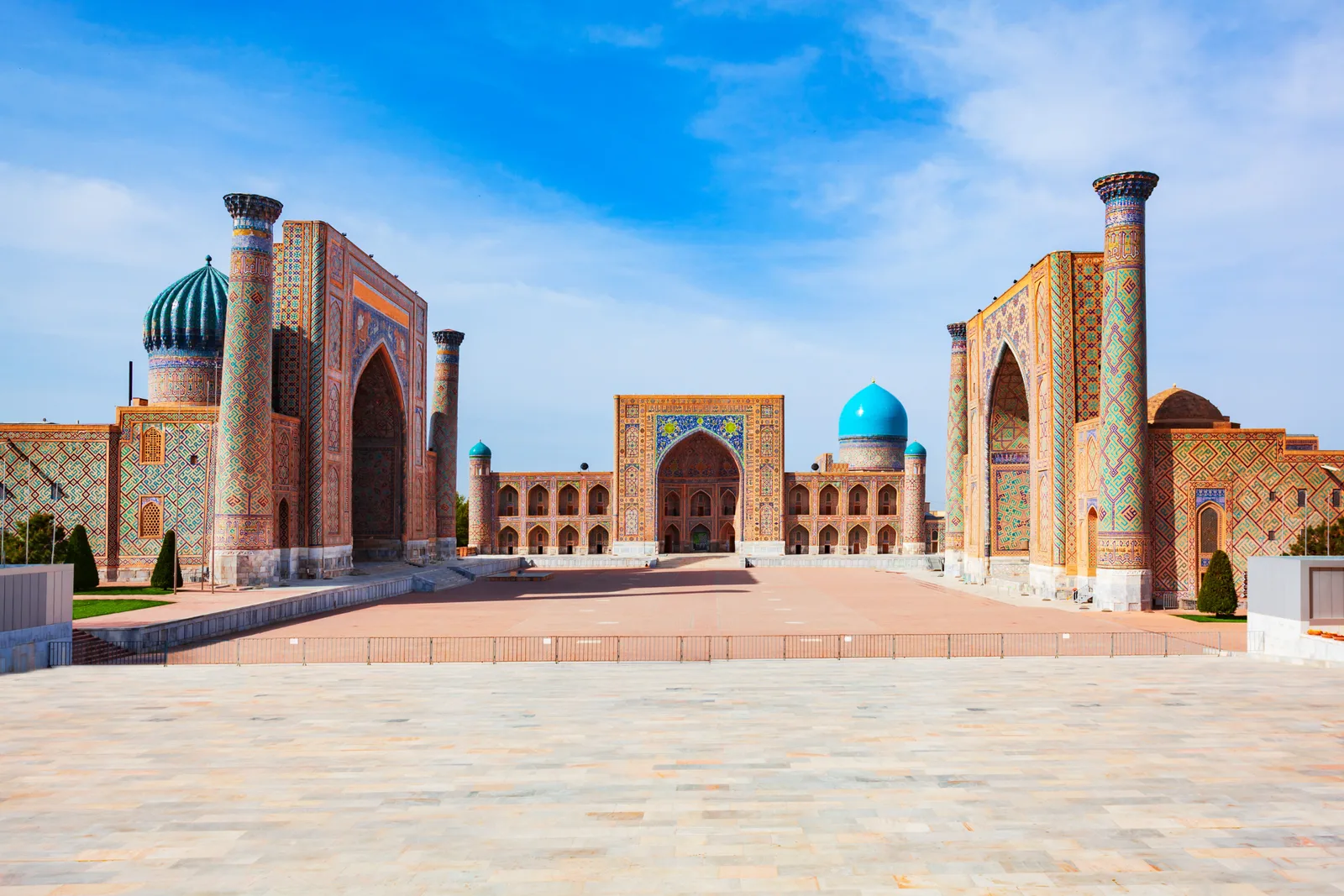
Samarkand
The jewel of the Silk Road: the Registan, the Gur-e-Amir and the city of Tamerlane
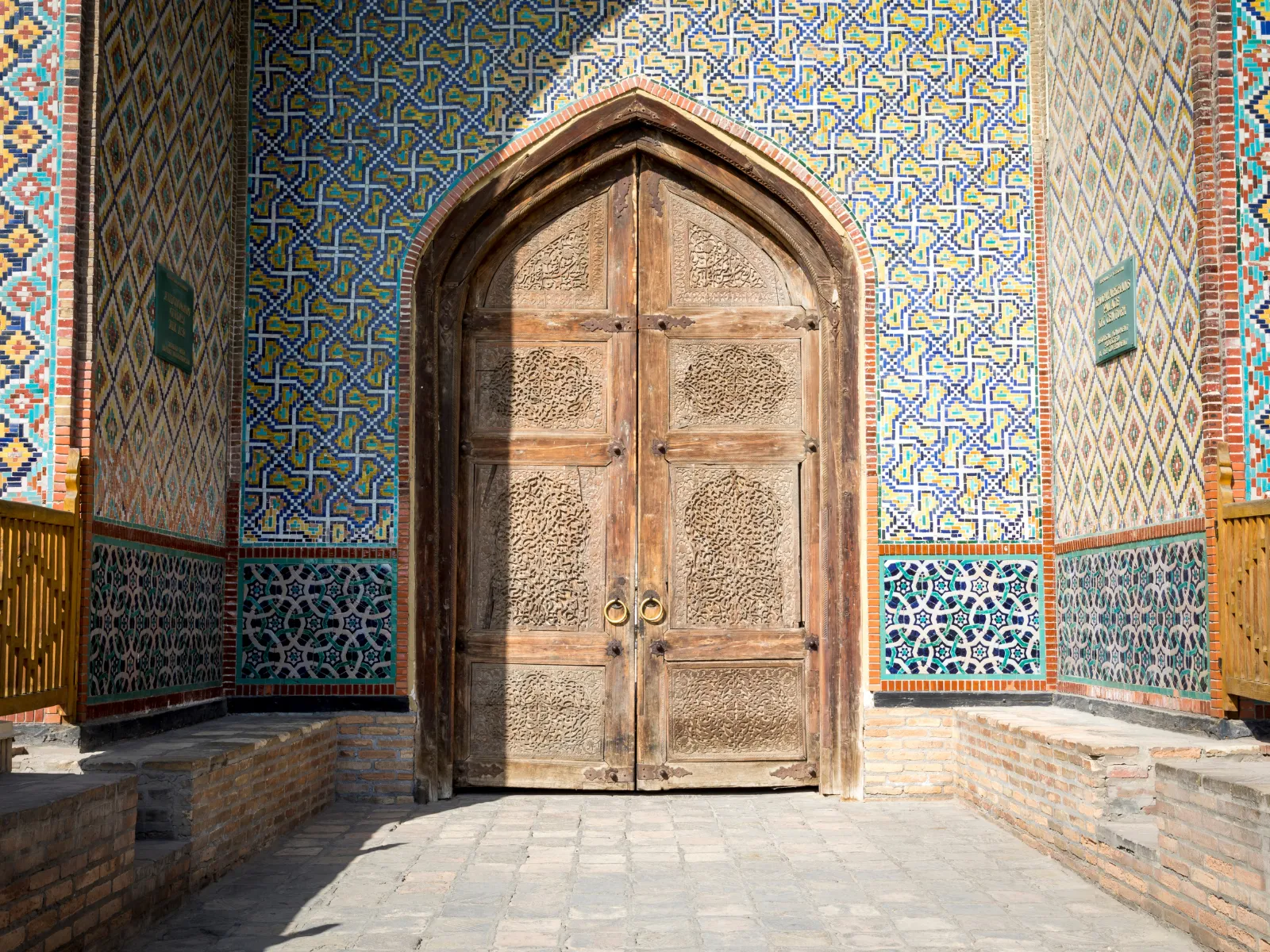
Fergana Valley
Silk, ceramics and the densest heart of Central Asia: a valley shared between three countries
Culture & daily life

Culture & daily life
How Uzbekistan really works: the table, the language, the rhythms of the day, and what no monument will tell you
Food & culture: plov and beyond
Why plov changes from city to city, bread as a sacred object, and the bazaar as a food system
The rhythm of the day
How daily life works in Uzbekistan: schedules, customs, and the tempo of a country that is in no rush
Essential phrasebook
35 phrases in Uzbek (and some Russian) with pronunciation to get by without English
What to skip (and what to do instead)
Tourist traps, expectations vs reality, and where your time is actually worth spending
Books & films
Books, films and documentaries to understand Uzbekistan before (and after) the trip
Practical information

Visa & entry
Visa requirements, passport and customs declaration for travelling to Uzbekistan
Money & exchange
Currency, exchange rates, ATMs and price reference for Uzbekistan
Safety
Safety for travellers, drugs, photography and travel insurance in Uzbekistan
Best time to visit
When to travel to Uzbekistan: temperatures, festivals and seasonal advice
Transport essentials
Trains, flights, shared taxis and metro in Uzbekistan
What to pack
Clothing, documents and essential gear for travelling to Uzbekistan
Itineraries
Classic Uzbekistan
The essential 9-day circuit: Tashkent, Khiva, Bukhara and Samarkand. The backbone of the country for the first-time visitor.
More time in each city
11 days on the same classic route with extra days in Khiva and Bukhara. For travellers who prefer to go deeper rather than collect stamps.
With the Fergana Valley
11 days adding to the classic circuit the mountain crossing and the craftsmanship of the Fergana Valley: silk, ceramics and the most authentic Uzbekistan.
With Nukus and the Aral Sea
11 days adding to the classic circuit the most unsettling dimension of Uzbekistan: the Aral Sea, Moynaq and the Kala Castles.
With Nurata and the Aydarkul
12 days with the Nurata Range, a night in a yurt on the Aydarkul and the Urgut antiques market. The most diverse itinerary.