

Romania · 4 May 2026
Transylvania on the road: Saxon cities and fortresses
Brașov, Sighișoara, Sibiu and the Saxon fortified churches: how to drive through Transylvania with a 5-7 day itinerary.

Transylvania is much more than Dracula. For eight centuries, until 1918, this high plateau between the Carpathians was the territory of a Germanic minority — the Saxons — brought in the 12th century by Hungarian king Géza II as border colonists. They built seven walled cities (Siebenbürgen, the German name of Transylvania literally means “seven cities”) and two hundred fortified churches in the villages. That architecture, layered over the landscape of hills and mountains, makes Transylvania the most distinctive region in Romania. This post traces the essential route.
The backbone: Brașov-Sighișoara-Sibiu
Three cities separated by 230 km total, connected by motorway and a national road in good condition. Driving between them: 1.5-2 h each leg. The three jewels of the Saxon heritage work very well as a triangle.
Brașov (3 days): medieval Saxon capital, surrounded by the Tâmpa mountain. Essentials:
- Piața Sfatului (main square) with 1420 council house.
- Black Church (Biserica Neagră), 14th-century Gothic, largest between Vienna and Istanbul. Name from the 1689 fire.
- Rope Street (Strada Sforii), one of Europe’s narrowest alleys (1.2 m).
- Tâmpa ascent by cable car for the view over Brașov.
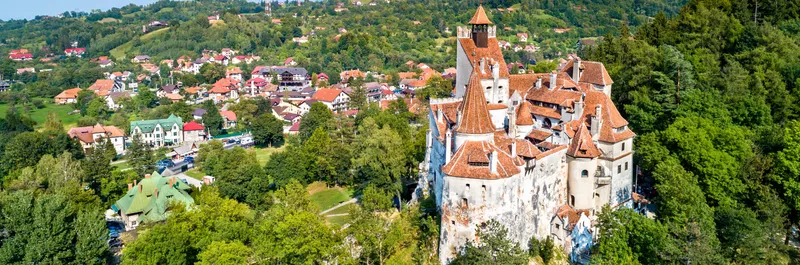
- Bran Castle 30 km away (the “Dracula Castle”), Râșnov Castle (excellent restored fortress) and Peleș at Sinaia 45 km away (Hohenzollern royal residence).
Sighișoara (1 day): the most complete medieval citadel in Eastern Europe, UNESCO. The walled historic centre with its guild towers (9 preserved), the Clock Tower of 1556 (museum inside, with views), the Hill Church accessible via the Covered Staircase (175 wooden steps, 1662). The alleged birthplace of Vlad Țepeș is a restaurant today, but the legend is told here. Sleeping within the citadel greatly improves the experience: day tourists leave and the city is for guests.
Sibiu (2 days): former Saxon capital (Hermannstadt in German, 2% of inhabitants still speak German), three connected squares (Piața Mare, Piața Mică, Piața Huet), the famous houses with eyes (mansard windows that seem to watch you), Brukenthal Museum (art collection well above provincial level, with Flemish and Dutch). From Sibiu, visit the Transfăgărășan (if summer), the peasant fortress of Cisnădioara and Astra, open-air ethnographic museum with 300 traditional houses.
The Saxon fortified churches
Transylvania’s hidden treasure. Between the 13th and 16th centuries, Saxon villages fortified their churches against Ottoman and Tatar raids. The result: 150-200 walled churches, many with defence towers, grain stores, interior wells. Seven are inscribed as a group on UNESCO.
The essentials:
- Biertan (30 min from Sighișoara): the most spectacular, triple ring of walls, intact 16th-century interior.
- Viscri (rural road, 20 km from Sighișoara): the church “adopted” by King Charles III when he was prince. He owns a house in the village. Very photogenic.
- Prejmer (20 min from Brașov): the most defensively imposing, with 272 interior cells for sheltering villagers during attacks.
- Hărman (15 min from Brașov): exceptional interior frescoes.
Minimum visit: 2-3 churches distributed between the cities. Entries 10-20 lei, many managed by the local Evangelical community itself (knock on the caretaker’s door if closed).
Suggested 6-day route
- Day 1: arrival in Brașov, afternoon in historic centre.
- Day 2: Brașov + Râșnov + Bran.
- Day 3: Brașov + Peleș (Sinaia), or fortified churches of Prejmer and Hărman.
- Day 4: Brașov → Sighișoara via Viscri (King Charles’s village). Afternoon in Sighișoara.
- Day 5: Sighișoara → Biertan → Sibiu. Afternoon in Sibiu.
- Day 6: Sibiu in depth, Astra, Brukenthal Museum.
If you have an extra day: add Transfăgărășan from Sibiu (in summer) or Cluj as a northern extension.
What to eat in Transylvania
Saxon cuisine differs from Romanian lowland cuisine: more pork, fermented cabbage, potatoes, charcuterie. Try:
- Varză a la Cluj (cabbage pie)
- Sarmale (stuffed cabbage rolls with meat, universal in Romania but made with a Saxon twist here)
- Kürtőskalács (Hungarian heritage): sweet bread wrapped in a spiral, cooked over embers.
- Târnave white wine (Târnava river valley, between Sighișoara and Mediaș): cold and aromatic, regional specialty.
Recommendation: sleep in Saxon houses
In villages like Viscri, Malancrav, Mesendorf, restored traditional Saxon houses have become family pensiuni. Price 120-200 lei (25-40 €) double room with breakfast. Better experience than city hotel: original architecture, human contact, home cooking.
Far Guides’ complete Romania guide includes a detailed map of the 25 most relevant fortified churches, with caretaker contacts and driving routes between them.
More on Romania
Keep reading.
Other pieces from the same destination.


Next step
Ready for Romania?
The guide is for travelling.
Interactive maps & itineraries and everything that doesn't fit in an article. Always the latest published version.
Get the Romania guide