
Albania · 12 June 2026
Krujë, the Skanderbeg city: what to see in half a day
The castle, the Skanderbeg Museum, the Bektashi tekke and the Ottoman bazaar: practical guide to Krujë, a must-do day trip from Tirana.

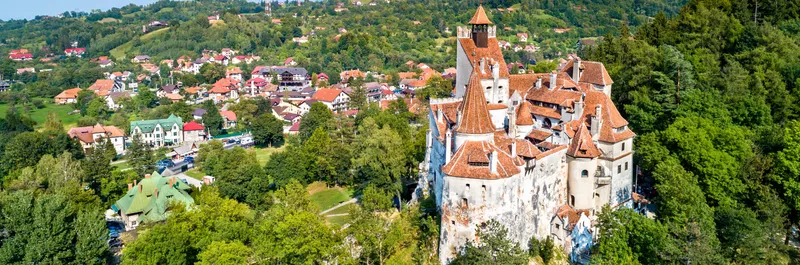
Krujë is the city where Albania invented itself as a nation. Forty kilometres north of Tirana, hanging from a rocky spur 600 metres up, it was from 1443 the base of Gjergj Kastrioti — Skanderbeg — the captain who sustained 25 years of military resistance against the Ottoman Empire and who, five centuries later, remains the country’s most solid identity reference. Everything that matters in Krujë today revolves around that figure. Half a day is enough to see it properly from Tirana.
The castle and the Skanderbeg Museum
Krujë’s castle preserves walls from the 12th century, but its fame was built on three Ottoman sieges (1450, 1466, 1467) that Skanderbeg repelled with a few thousand men against imperial armies of tens of thousands. The final siege, after Skanderbeg’s death, ended with the fall of the fortress and the absorption of Albania into the Ottoman Empire until 1912.
Inside the enclosure sits the Skanderbeg National Museum, opened in 1982 in a building designed by Pirro Vaso and Pranvera Hoxha (the dictator’s daughter). It’s Albania’s most complete biographical museum: weapons, banners, family trees, and Skanderbeg’s famous goat-head helmet (the original is in Vienna’s Kunsthistorisches; here there’s an exact replica). Entry 500 LEK, 1-1.5 hours.
Within the same enclosure, the Ethnographic Museum (entry 200 LEK, 30 min) shows a well-preserved traditional 19th-century Ottoman house.
The Bektashi tekke
Krujë was the Albanian centre of Bektashism, a tolerant Sufi order — wine is drunk, men and women aren’t segregated, it was driven underground under Hoxha — which counted some 2.5 million followers across the Balkans. The Dollma tekke in the castle is a small active shrine where a dervish often receives visitors to explain the Bektashi tradition. Free entry; voluntary tip. The conversation, if you have time and the dervish is willing, is worth more than many paid tickets.
The Ottoman bazaar
Leaving the castle through the main gate, you enter directly into the Krujë bazaar, one of the few that preserves an original Ottoman structure: a covered lane with shops on both sides, selling textile crafts (kilim rugs), copper, real and fake antiques, and standard tourist souvenirs. Haggling is the norm; knocking 30-40% off the asking price is routine.
Direct warning: some of the “Ottoman antiques” are made in Turkey and artificially aged. What is authentic are the hand-woven kilim rugs from villages in Dibër and Mat, priced 80-300 € by size. If you’re interested in one, ask about origin and look at the reverse (irregular knotting = handmade; perfect geometry = industrial).
How to get there from Tirana
Furgons: leave Tirana’s North Terminal every hour during the day. 200-300 LEK, 1 hour. Taxi/Bolt: 2,000-2,500 LEK (about 20-25 €), 45 min. Own car: SH1 motorway to Fushë-Krujë then 8 km up. There’s public parking in the lower town (200 LEK), and you walk or take a local taxi up to the castle.
The complete day trip from Tirana is a comfortable half day: leave at 09:00, 2.5-3 hours in Krujë (castle, museum, bazaar, lunch), return mid-afternoon.
Eating in Krujë
The bazaar has acceptable tourist restaurants but nothing memorable. For good food, go up to the castle and enter Panorama (valley view, traditional cuisine, 1,200-1,800 LEK/person) or go back down to the modern town and look for Bar Restorant Gjergj (more local, cheaper).
Far Guides’ complete Albania guide includes the Krujë day trip from Tirana with walking route through castle and bazaar, and a suggested combination with Durrës on the same day.
More on Albania
Keep reading.
Other pieces from the same destination.


Next step
Ready for Albania?
The guide is for travelling.
Interactive maps & itineraries and everything that doesn't fit in an article. Always the latest published version.
Get the Albania guide